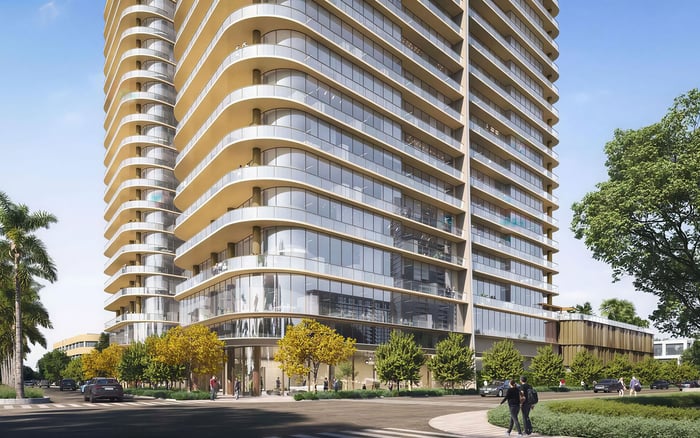
A decision framework for Montreal buyers comparing the urban convenience of Miami Design District with the privacy priorities associated with a South Florida beach residence.

For a Montreal buyer considering Miami Design District, the central question is how the residence should support each South Florida stay. A buyer focused on appointments, dining, shopping and cultural outings may evaluate an urban base differently from someone whose routine revolves around the ocean.
Rather than treating convenience and privacy as opposites, define what each means in practice. Convenience may involve an efficient arrival, straightforward property management and easy access to preferred destinations. Privacy may depend on controlled entry, elevator use, guest procedures, delivery handling and the number of residences sharing common spaces.
Neighborhood preference is only the first filter. Buyers should examine how each building operates when an owner arrives after time away, hosts guests or needs assistance with the residence.
A useful review covers owner entry, concierge availability, elevator arrangements, package handling, parking procedures and management communication. These details can matter as much as finishes because they shape every arrival and departure.
Kempinski Residences Miami Design District provides an urban project reference for buyers assessing a managed residence. Its inclusion on a shortlist should lead to project-specific questions about access, service and ownership requirements rather than assumptions based on branding alone.
Privacy cannot be judged solely from a rendering, floor plan or brand name. Buyers should ask who can enter each residential area, how guests are registered, whether residents share elevators with visitors and how staff coordinate deliveries or service appointments.
The review should also consider the residence itself. Orientation, floor position, proximity to elevators and exposure to shared spaces may affect how secluded a home feels. These factors should be assessed during due diligence and confirmed through the applicable project materials.
A balanced search can compare a Design District option with selected coastal projects using the same criteria. Rivage Bal Harbour, The Delmore Surfside and Bentley Residences Sunny Isles can serve as project references for that review.
The goal is not to presume that an urban or coastal address is inherently more private. Instead, compare arrival sequences, shared spaces, staffing, beach priorities, driving preferences and the intended pattern of use. Applying one scorecard helps prevent location or branding from overshadowing operational details.
Before comparing individual residences, identify the experiences that should define most days in South Florida. Decide how important immediate beach time is, how often the owner expects to visit city destinations and how much building service is desired.
Next, request and review the available condominium documents, budgets, insurance materials, rental restrictions, security procedures and construction information. Legal and financial advisers can help assess the materials applicable to a particular purchase.
The strongest choice is the residence whose location and operating systems support the buyer’s actual routine. For a Montreal owner, that may mean prioritizing an efficient urban base, a more beach-oriented setting or a carefully judged balance between the two.
Is Miami Design District the right choice for every Montreal buyer? No. Its suitability depends on the buyer’s preferred routine, service expectations and beach priorities.
How should a buyer define convenience? Consider arrival, property management, access to preferred destinations and the ease of using the residence during each stay.
Can an urban residence provide meaningful privacy? It may, but buyers should verify entry controls, elevator arrangements, guest procedures and delivery handling for the specific property.
Does a coastal setting guarantee privacy? No. Privacy remains dependent on the residence, shared spaces and building operations.
Are branded residences automatically more private? No. Branding should not replace direct review of access, staffing and service procedures.
What should buyers ask about elevators? Ask who uses them, how access is controlled and how residents, guests and service personnel move through the building.
Why do rental restrictions matter? They may affect how an owner can use the residence while away, so the applicable rules should be reviewed before purchase.
What residence-level details can influence privacy? Floor position, orientation, elevator proximity and exposure to common areas may all shape the experience.
Which materials deserve review during due diligence? Review the available condominium documents, budgets, insurance materials, rental restrictions, security procedures and construction information.
How should a buyer make the final comparison? Use the same criteria for every candidate and prioritize the location and operating model that best fit the intended routine.
For a confidential assessment and a building-by-building shortlist, connect with MILLION.
If branded residences are on your mind — as a home or as an allocation — we would be glad to share what we are seeing, privately.
Begin a quiet conversation