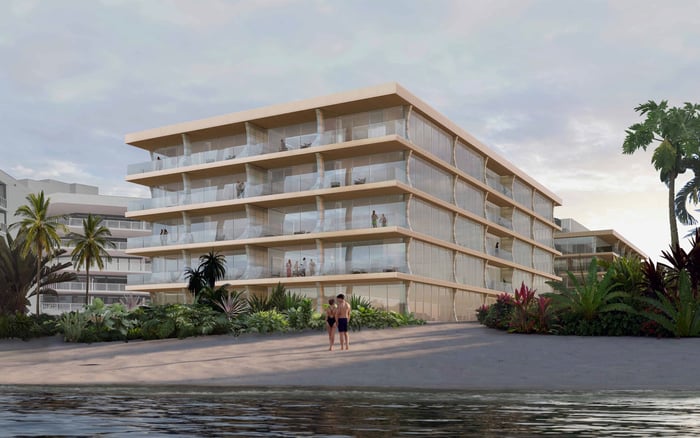
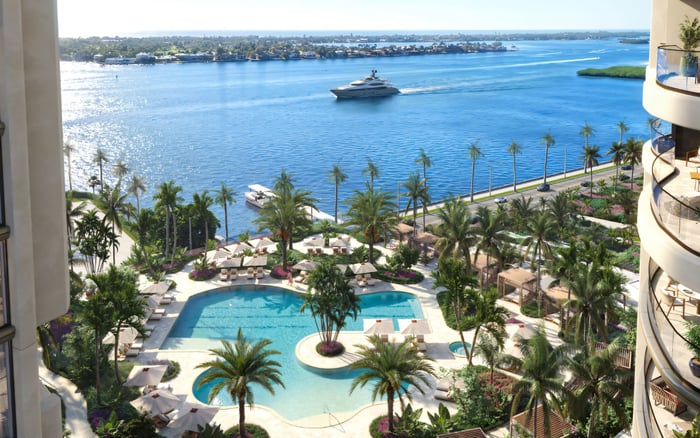
A disciplined West Palm Beach relocation plan coordinates the residence, yacht, berth documentation, and crew access through separate but connected reviews before arrival.

For an Amsterdam family establishing a base in West Palm Beach, yacht planning should begin alongside the residential search. The vessel’s customs position, long-term dockage, and crew arrangements require separate reviews, documentation, and decision-makers. Coordinating them early can help prevent the home closing, yacht arrival, and crew schedule from working at cross-purposes.
Start with a shared operating brief for the family, captain, property adviser, maritime counsel, insurance representative, and marina contacts. It should record the yacht’s verified specifications, flag, ownership structure, intended use, anticipated time in South Florida, service needs, crew rotation, and storm plan. The same brief can identify residential priorities, airport access, privacy requirements, tender arrangements, and the preferred relationship between the home and berth.
The residence and the berth may share a shoreline, but they remain separate legal and operational assets.
A waterfront outlook alone does not establish that a property has suitable navigable access or a berth that can serve a particular yacht. Technical suitability and legal rights should therefore be investigated independently of the residential presentation.
Before the yacht enters U.S. waters, qualified maritime customs and tax advisers should review its flag, ownership, intended operation, anticipated duration in the country, and any future plans involving sale or charter. The family should not assume that a structure used in Europe will produce the intended result in the United States.
The analysis should compare continued foreign-flag operation with formal importation and identify the documents, clearances, duties, taxes, restrictions, and deadlines that may apply. Any conclusion should be confirmed for the yacht’s specific circumstances rather than inferred from another owner’s experience.
The chosen strategy should also align with practical plans. A long South Florida stay, international cruising, maintenance periods, changes in ownership, or a later commercial decision may affect the appropriate approach. Written advice should be finalized early enough for the captain and family office to prepare the arrival file before departure.
A marina inquiry should use the yacht’s verified length, beam, draft, power requirements, tender configuration, and service needs. Published descriptions are useful for initial screening, but they should not replace written confirmation from the marina.
Ask each candidate facility to confirm whether it can accommodate the yacht and whether the proposed berth remains available for the required period. The written response should address utilities, live-aboard rules, insurance requirements, parking, deliveries, contractor access, guest procedures, after-hours entry, security, service limitations, and storm obligations. The captain should also review approaches, maneuvering considerations, and any operational constraints relevant to the vessel.
The family may need an interim arrangement if the yacht’s schedule does not align with a long-term berth. Any temporary and permanent agreements should be reviewed together so there is no unexplained gap in dockage, access, or insurance compliance.
A home purchase and yacht dockage should be treated as distinct transactions unless the governing property documents expressly establish an enforceable berth right. A reference to boating access or a slip in marketing materials is not a substitute for legal and technical review.
Property counsel should determine the nature of any claimed right and whether it is exclusive, transferable, revocable, or subject to association approval or availability. The review should also cover vessel restrictions, utilities, maintenance responsibilities, insurance, fees, and access for captains, contractors, guests, and tenders. If the right will not transfer with the residence or cannot accommodate the yacht, the family needs a separate marina solution that is not dependent on the property closing.
This distinction is relevant when comparing residences such as Alba West Palm Beach and Forté on Flagler West Palm Beach. The home can be assessed for privacy, views, services, and daily life, while the berth is selected according to the yacht’s technical and operational requirements.
The yacht’s customs treatment does not replace the need to verify each crew member’s admission and work position. The captain and qualified advisers should review the required immigration, customs, health, crew-list, and port documentation for every person aboard before travel.
The operating plan should then translate those requirements into daily access. It should identify who can enter the marina and residence, how credentials are issued, where vehicles may park, how deliveries and contractors are handled, and what procedures apply to guests and after-hours arrivals. Rotating crew and service teams should receive the written rules rather than rely on informal assurances.
Residence selection can support this arrangement without attempting to replace it. Shorecrest Flagler Drive West Palm Beach and The Ritz-Carlton Residences® West Palm Beach can form part of the residential comparison, while the yacht’s base remains an operational decision governed by documented suitability and marina policy.
The yacht, marina, residence, vehicles, and crew arrangements may involve different policies and responsible parties. Before arrival, the family office should ask the relevant insurance professionals to identify required evidence of coverage, notification duties, named parties, navigation limits, crew conditions, and storm-related obligations.
The captain should obtain the marina’s written storm protocol and determine whether the vessel may remain, must relocate, or requires another approved plan. That protocol should be reconciled with the yacht’s insurance requirements and the availability of crew, contractors, fuel, transportation, and an alternate berth. The residential plan should separately address family safety, property preparation, and communication responsibilities.
Begin with the vessel brief and customs review, then seek berth proposals based on verified specifications. At the same time, property counsel should examine every claimed dock or marina right associated with a residence. The home closing date should not automatically become the yacht’s arrival date.
Before departure, assemble the customs and arrival file, crew documentation, berth agreement, insurance confirmations, access roster, shore-power plan, service contacts, and storm procedure. Assign an owner to every action and record which approvals remain outstanding. A final coordination call among the captain, family office, property adviser, counsel, and marina can identify gaps before the yacht and family begin the move.
The objective is a West Palm Beach lifestyle in which the residence, vessel, and crew operate as one experience while remaining supported by appropriately separate agreements and professional reviews.
For discreet guidance on aligning a South Florida residence with your yachting requirements, connect with MILLION.
If branded residences are on your mind — as a home or as an allocation — we would be glad to share what we are seeing, privately.
Begin a quiet conversationBegin with a shared brief covering the yacht, residence, berth, crew, insurance, and timing. Assign qualified advisers to each workstream.
Yes. Maritime customs and tax advisers should review the vessel’s specific flag, ownership, intended use, and arrival plan before it enters U.S. waters.
No. The yacht’s structure and intended operation require a case-specific review by qualified advisers.
No. Legal rights, transferability, navigable access, and technical suitability must be verified separately.
Provide verified length, beam, draft, power requirements, tender configuration, intended stay, and service needs.
It should confirm suitability and cover access, utilities, insurance, parking, deliveries, contractors, guests, security, and storm obligations.
Yes. Counsel should determine the nature, exclusivity, transferability, restrictions, costs, and approval requirements of any claimed right.
No. Each crew member’s immigration, customs, and work position should be reviewed separately by qualified advisers.
Marina procedures and policy requirements may impose different responsibilities. The captain and family office should reconcile them in a written plan.
Not automatically. Arrival should follow confirmed customs preparation, berth availability, crew readiness, insurance compliance, and written approvals.