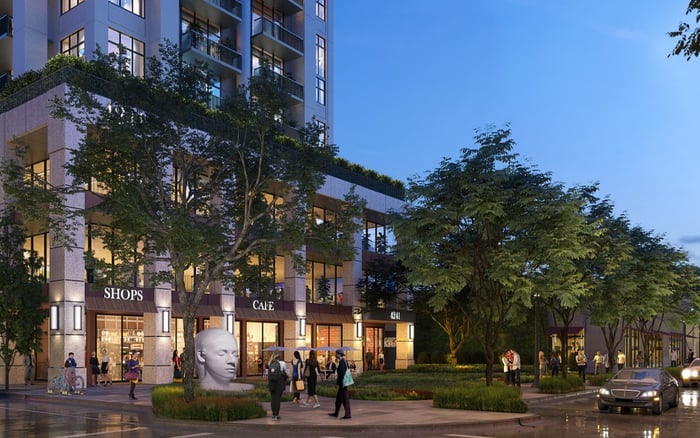
International school admissions season can turn a Wynwood luxury-home search into a study of timing, mobility, flexible interiors, and family rhythm. For globally mobile buyers, the right residence is not simply near the energy of Miami’s arts district. It must support interview weeks, transition periods, school commutes, visiting relatives, and the discretion expected in an ultra-premium household.
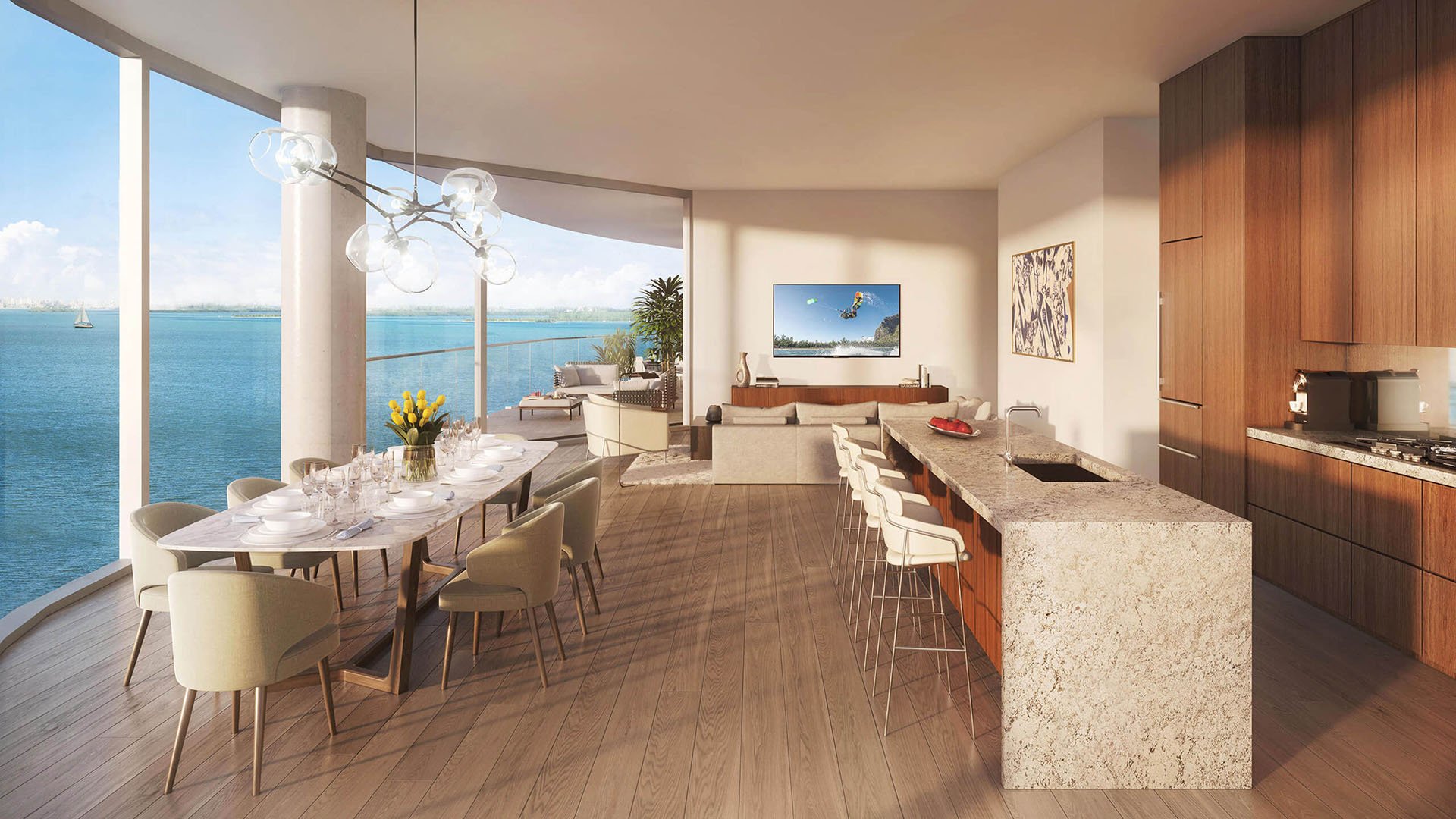
For an international family considering Wynwood, the luxury-home search rarely begins with square footage alone. It begins with a calendar. Admissions interviews, assessment visits, document deadlines, relocation planning, and the delicate question of where a child will feel grounded often arrive before the art, restaurants, and skyline can be fully enjoyed.
That does not make lifestyle secondary. It makes lifestyle more exacting. Wynwood offers the cultural immediacy that draws global buyers to Miami, yet school admissions season can sharpen priorities that are easy to miss on a first tour. A residence must handle transition, not merely arrival. It must support early mornings, quiet evenings, family privacy, short-notice meetings, and the emotional logistics of moving children between educational systems.
In this context, a project such as Frida Kahlo Wynwood Residences can enter the conversation not just as a Wynwood address, but as part of a larger family operating plan. The question becomes less, “Is this exciting?” and more, “Can this home make the admissions year calmer?”
During admissions season, the drive to a campus visit, the route to an interview, and the interval between school and after-school commitments can feel as consequential as a private elevator or dramatic terrace. Families new to Miami often underestimate how much daily movement shapes residential satisfaction. A beautiful home that creates friction every morning can quickly lose its elegance.
For Wynwood buyers, commute choreography should be studied at multiple times of day. It is not only the distance to a preferred school that matters, but also the consistency of the route, the ease of pickup and drop-off, and the ability for parents, caregivers, or drivers to manage the household without strain. In ultra-premium searches, convenience is rarely about speed alone. It is about predictability.
This is where nearby alternatives may enter the comparison. Some families weigh the creative energy of Wynwood against the executive cadence of 2200 Brickell, especially when one parent’s professional life is centered in the financial core. Others look toward bayfront or quieter residential environments while keeping Wynwood’s dining and gallery culture within reach.
Admissions season often places a household in a temporary state of expansion. A grandparent may visit to help with the move. A consultant, tutor, language instructor, or family office representative may need a quiet place for meetings. Parents may be working across time zones while children prepare for interviews or placement assessments.
For this reason, flexible space becomes a meaningful luxury-home priority. A den that can close acoustically, a secondary suite that feels private, a kitchen with room for informal tutoring, or a terrace where a parent can take a call without disturbing the household may matter more than ornamental drama. The best homes allow a family to perform several versions of daily life at once.
Buyers comparing Wynwood with nearby waterfront inventory may find this balance in settings such as EDITION Edgewater, where the broader neighborhood conversation often includes access, views, and a slightly more residential rhythm. The point is not that one district is universally better. The point is that admissions season reveals which floor plan can carry pressure gracefully.
International admissions can be intensely personal. Families may be managing confidential professional changes, visa considerations, language transitions, or children adapting to a new academic culture. A home that feels exposed, loud, or difficult to control can complicate that process.
Privacy should be evaluated at several levels. How discreet is the arrival sequence? Can guests be hosted without disrupting children? Is there enough separation between entertaining spaces and bedrooms? Can a parent join an overseas call before sunrise without waking the household? Does the building experience support a calm, well-managed routine?
Wynwood’s appeal is rooted in energy, but the luxury buyer often wants that energy on command. The admissions-season home should allow a family to step into the district when desired, then retreat into a controlled environment when concentration, rest, or privacy is required.
Children often read a move before adults can explain it. The neighborhood surrounding a new home becomes part of that first impression. For some families, Wynwood’s visual culture and walkable creative atmosphere can make Miami feel open and contemporary. For others, the admissions process may lead them to prioritize calmer streets, traditional residential cues, or closer proximity to established family routines.
That is why it is useful to compare Wynwood against several Miami lifestyles before committing. Cora Merrick Park may appeal to buyers considering a more composed Coral Gables setting, while Four Seasons Residences Coconut Grove may enter conversations for families who want a leafy, established rhythm with a luxury-service sensibility.
In practical MILLION conversations, the shorthand may read like this: Wynwood for cultural immediacy, Brickell for executive rhythm, Edgewater for bayfront adjacency, Coral Gables and Coconut Grove for a calmer residential feel, and private-school logistics as the unglamorous but decisive filter.
Admissions season can compress decisions. A family may want to secure an address before school visits, establish residency patterns before the academic year, or create enough certainty for children to picture their next chapter. In this setting, the most attractive home is not always the one with the longest amenity list. It may be the one that can be understood, purchased, furnished, and lived in with the least disruption.
Buyers should consider practical timing questions early. Is the residence move-in ready, or does it require customization? Are there association approvals, furnishing lead times, or renovation details that could collide with school commitments? Can the family live comfortably from day one if admissions decisions require a rapid relocation?
The luxury market rewards decisiveness, but admissions season rewards clarity. When both are present, buyers can act without feeling rushed.
A family-focused purchase in Wynwood should still be evaluated through an investment lens. The most resilient residences tend to serve more than one buyer profile. A home that works for an international family during admissions season may also appeal to executives, collectors, remote-work households, or second-home buyers who value flexible rooms and controlled access to Miami’s cultural core.
The lesson is simple: livability is not separate from value. The features that reduce friction for a family today may strengthen future marketability tomorrow. Intelligent layouts, privacy, easy circulation, and a credible neighborhood story are not decorative. They are structural to the ownership experience.
For ultra-premium buyers, the school calendar can therefore become a useful diagnostic tool. It exposes what a residence can handle under pressure, and it clarifies whether Wynwood is the family’s central address or part of a broader Miami lifestyle map.
Why does admissions season affect a Wynwood luxury-home search? It compresses decision-making and highlights daily logistics that may not appear during a standard property tour.
Should school commute matter more than building amenities? For many families, predictable commute patterns can be as valuable as amenities because they shape every weekday.
Is Wynwood practical for international families? It can be, especially for buyers who value cultural energy and choose a residence that supports privacy, mobility, and flexible routines.
What floor-plan features matter most during admissions season? Look for quiet dens, separated suites, adaptable guest space, and areas where children and parents can work simultaneously.
Should buyers compare Wynwood with other Miami neighborhoods? Yes. Comparing nearby lifestyles can clarify whether the family needs cultural immediacy, waterfront calm, or a more traditional residential setting.
How early should families begin aligning housing with school plans? Early enough to understand commute patterns, move-in timing, and whether the home can support interviews, visits, and relocation stress.
Can a temporary rental solve the admissions-year question? It can help in some cases, but many luxury buyers prefer the stability of a residence that children can immediately associate with home.
Does resale potential matter if the purchase is school-driven? Yes. Homes with flexible layouts, strong privacy, and broad lifestyle appeal can remain attractive beyond one admissions cycle.
What is the biggest mistake buyers make during this process? They focus on the property in isolation and underweight the morning, evening, and weekend routines that define family life.
How should a family evaluate Wynwood before committing? Visit at different times, map daily routes, test privacy expectations, and compare the home against the family’s academic calendar.
For a confidential assessment and a building-by-building shortlist, connect with MILLION.
If branded residences are on your mind — as a home or as an allocation — we would be glad to share what we are seeing, privately.
Begin a quiet conversation