A buyer-focused guide to evaluating developer warranty obligations before purchasing luxury real estate in West Palm Beach, with practical questions for contracts, inspections, exclusions, timelines, and remedies.

In West Palm Beach, the purchase of a luxury residence is often framed around water views, architectural pedigree, privacy, amenities, and long-term lifestyle fit. Yet one of the most consequential conversations is less glamorous: what, precisely, is the developer obligated to repair, replace, complete, or stand behind after closing?
Warranty language is not a formality. It is part of the value proposition. A high-end residence may include custom millwork, imported stone, sophisticated glazing, private elevator access, smart-home systems, and extensive shared amenities. Each element can carry a different responsibility structure. Some obligations may sit with the developer, some with contractors, some with manufacturers, and some with the association once control or maintenance responsibilities shift.
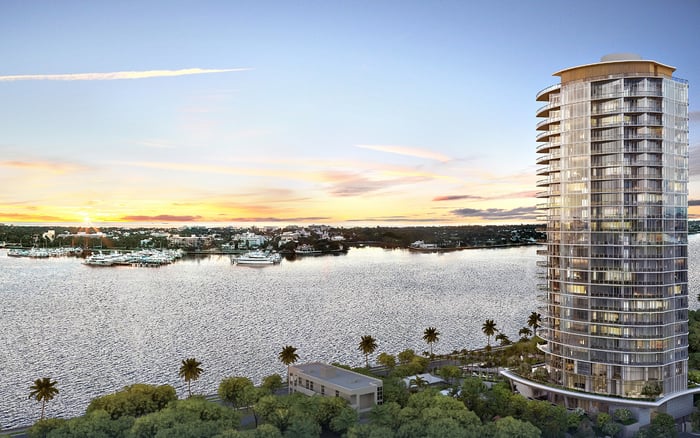
That is why buyers considering residences such as Alba West Palm Beach or Forté on Flagler West Palm Beach should review warranty obligations as carefully as floor plans and finish schedules. The goal is not to assume a problem will occur. The goal is to understand how a problem would be handled if it does.
For new-construction and pre-construction buyers, the warranty conversation should begin before the contract becomes binding. Ask for the warranty documents, the purchase agreement warranty provisions, all exclusions, and the procedure for submitting claims. If the answer is verbal, treat it as incomplete until it appears in writing.
Start with the fundamental question: who is actually providing the warranty? A developer-branded sales presentation may be polished, but the contract should identify the responsible party. Ask whether the obligation belongs to the developer entity, a contractor, a manufacturer, an association, or another party. Then ask whether those obligations are transferable if you later sell.
Next, clarify the scope. Does the warranty cover only defects in workmanship inside the residence, or does it also address appliances, mechanical systems, waterproofing, balcony conditions, windows, doors, flooring, cabinetry, plumbing fixtures, electrical components, and common-area elements? A luxury buyer should not rely on broad language when the residence contains highly specific materials.
Finally, ask about time. When does each obligation begin: contract signing, substantial completion, certificate-related milestones, walkthrough, closing, delivery of possession, or another trigger? The date matters because it determines how long you have to discover, document, and submit an issue.
One of the most common mistakes in a condominium purchase is treating the entire property as one warranty universe. In practice, the private residence, the building envelope, the amenity levels, the garage, any marina components, the lobby, and the building systems may be governed by different documents and different responsibilities.
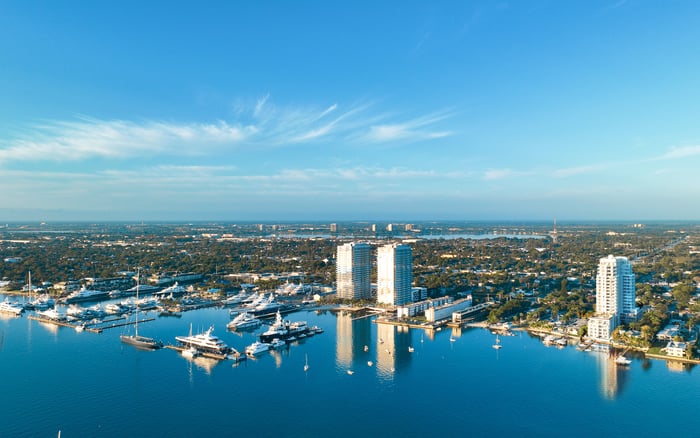
A buyer evaluating The Ritz-Carlton Residences® West Palm Beach or Shorecrest Flagler Drive West Palm Beach should ask how in-unit issues are handled separately from common-element issues. If water intrusion appears near a window, for example, is it treated as a residence issue, a façade issue, a contractor issue, or an association matter? The answer should be operational, not theoretical.
Also ask who coordinates repairs when multiple parties may be involved. A single defect can touch a subcontractor, a manufacturer, the developer, and the association. The best time to understand the chain of responsibility is before closing, when the buyer still has leverage and the attention of the sales and legal teams.
Ask for a written summary of warranty periods, covered items, excluded items, notice requirements, access requirements, and remedy procedures. The strongest review is not emotional. It is documentary.
Key questions include: What is the required method of notice? Is email sufficient, or must notice be delivered to a specific address or portal? Must the buyer include photographs, video, inspection notes, or contractor observations? Is there a deadline to report cosmetic items after the walkthrough? Are emergency issues handled differently from non-urgent conditions?
Luxury buyers should pay close attention to exclusions. Normal wear, owner modifications, improper maintenance, third-party work, weather-related impacts, and manufacturer limitations may be treated differently from construction defects. Do not assume a premium finish receives premium protection unless the documents say so.
If the residence includes branded components, integrated technology, specialty appliances, motorized shades, outdoor kitchens, spa-style baths, or private terraces, ask whether each has its own warranty paperwork. In a West Palm Beach purchase, the elegance of the finished residence should be matched by a clear paper trail.
The pre-closing walkthrough is not a ceremonial tour. It is the first formal opportunity to create a record. Bring a qualified inspector or construction professional when appropriate, and document items with clarity. The punch list should identify location, condition, requested remedy, and timing.
Ask whether unresolved punch-list items must be completed before closing or may be completed afterward. If they may be completed after closing, ask for the deadline, the responsible party, the access procedure, and the consequences if work is delayed. Vague assurances are not enough for a luxury purchase.
Buyers should also ask how post-closing service is staffed. Is there a dedicated warranty department? A building representative? A property-management channel? A contractor hotline? The experience after closing depends not only on what is promised, but on how efficiently that promise is administered.
Warranty obligations are easiest to clarify before the buyer has signed without contingencies or closed. This does not mean every term is negotiable. It means every serious buyer can ask disciplined questions and seek written confirmation where the documents are ambiguous.
If a particular feature is central to your purchase decision, such as a terrace, private elevator vestibule, specialty kitchen, smart-home system, or waterfront exposure, ask directly how that feature is warranted. If the developer representative cannot answer, request escalation to someone who can.
A sophisticated buyer also considers the relationship between warranty language and resale. Future purchasers may ask how the building handled early service requests, whether systems performed as expected, and whether documentation was organized. Clean records can support confidence when the residence returns to market.
Before committing to a luxury residence, ask these questions in order. Who provides each warranty? What is covered? What is excluded? When does coverage begin? When does it expire? How must notice be delivered? Who evaluates the claim? What remedy is available? What happens if the repair affects finishes or access? Are there separate warranties for appliances, systems, and custom features?
Then ask one larger question: does the developer’s process feel as refined as the product? In the ultra-premium market, service clarity is part of the architecture. The most desirable ownership experience is not only beautiful at delivery. It is also organized, responsive, and predictable after the keys are in hand.
What should I ask first about developer warranty obligations? Ask who is legally responsible for each obligation and where that responsibility appears in the purchase documents.
Are verbal warranty assurances enough? No. Treat verbal assurances as preliminary and ask for the relevant language in writing before relying on them.
Should I review warranties before signing a contract? Yes. The best time to clarify scope, exclusions, notice rules, and remedies is before your leverage narrows.
Do appliances and smart-home systems have separate warranties? They may. Ask for all manufacturer and installer warranty materials for appliances, technology, and specialty systems.
What is a punch list? A punch list is a written record of items identified during walkthrough that need completion, correction, or review.
Can common-area issues be handled differently from in-unit issues? Yes. Ask which issues are the developer’s responsibility, which belong to the association, and which involve third parties.
What if a defect appears after closing? Follow the written notice procedure immediately, document the condition, and preserve all communications.
Should my inspector review warranty language? An inspector can identify conditions, while counsel can interpret documents. Both perspectives may be valuable.
Are luxury finishes automatically covered? Not necessarily. Coverage depends on the written warranty terms, exclusions, maintenance requirements, and timing.
Why does this matter for resale? Organized warranty records can help future buyers understand how the residence and building were maintained.
For a discreet conversation and a curated building-by-building shortlist, connect with MILLION.
If branded residences are on your mind — as a home or as an allocation — we would be glad to share what we are seeing, privately.
Begin a quiet conversation