A discreet buyer’s guide to judging Key Biscayne by weekday function, not weekend mood, before committing to a luxury purchase.

For buyers considering Key Biscayne, the most revealing showing is rarely the one staged at golden hour. A neighborhood can look effortless on a Saturday morning, when schedules are loose, traffic feels incidental, and the day is built around leisure. The more important question is whether the address remains composed on an ordinary weekday, when school runs, office calls, service appointments, deliveries, workouts, and dinners all compete for the same hours.
This is where luxury becomes practical. In South Florida, buyers often compare Key Biscayne with Brickell, Coconut Grove, and Miami Beach, weighing waterfront scenery against lifestyle efficiency. A beautiful residence can disappoint if the weekday pattern does not support the owner’s real life. The right home should not require a daily negotiation with its surroundings.
Before focusing on finishes, views, or amenity decks, write down a normal Monday. Include where you wake, where children or guests need to go, where you work, how often household staff comes in, when groceries arrive, and where you dine without planning. Then test the property against that script.
A serious buyer should visit at least twice during the business week. One visit should begin early enough to observe the morning rhythm. Another should fall in the late afternoon or early evening, when a neighborhood reveals its return-home character. Walk the immediate blocks, sit in the lobby if permitted, observe the building entrance, and notice how the street feels when residents are not performing for a weekend crowd.
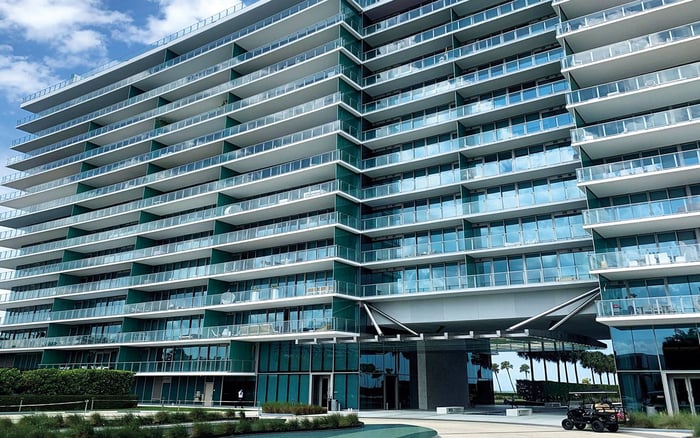
This kind of evaluation is especially useful for buyers considering a polished condominium environment such as Oceana Key Biscayne, where the residence itself may feel immediately resolved. The question then becomes broader: does the neighborhood rhythm support the way the owner actually lives from Monday to Friday?
Do not ask whether a route is convenient in theory. Drive it. Time it. Repeat it. A buyer should test the path from the residence to the places that matter most: office, airport, school, club, marina, medical appointment, favored restaurant, trainer, family, or staff parking location. The point is not to create a perfect forecast. It is to learn whether the friction feels acceptable when repeated.
Pay close attention to the difference between arriving and departing. Some addresses feel serene once inside, while the act of leaving becomes the hidden cost. Others may appear less secluded yet offer a daily pattern that feels more fluid. For a buyer deciding between Key Biscayne and a highly urban address such as Una Residences Brickell, the contrast is not simply quiet versus city. It is the trade between retreat and immediacy.
The best evaluation is personal. If you will be in the car at 7:40 a.m., do not test the route at 11:15 a.m. If dinner out is part of the weekly rhythm, leave the property at the hour you would normally leave. Luxury due diligence is less about averages than repeatable comfort.
A neighborhood that works on weekdays must support the invisible machinery of a household. Buyers should ask how groceries, florals, tailoring, dry cleaning, dog care, spa appointments, tutors, drivers, and maintenance vendors fit into the week. Even when many services come to the residence, the rhythm of access, loading, security, valet, and elevator use will shape daily satisfaction.
Walk nearby commercial areas during business hours. Notice whether essential needs feel simple or ceremonial. Is it easy to pick up a forgotten item, meet someone for coffee, or handle an appointment between calls? Are there comfortable places to pause without turning a small errand into an outing? These questions matter because weekday luxury is often measured in minutes saved and decisions avoided.
Buyers considering Key Biscayne as a second home should be especially disciplined. A second residence can be used intensely during compressed windows, which makes weekday efficiency critical. If a short stay requires too much coordination, the home risks being admired more than used.
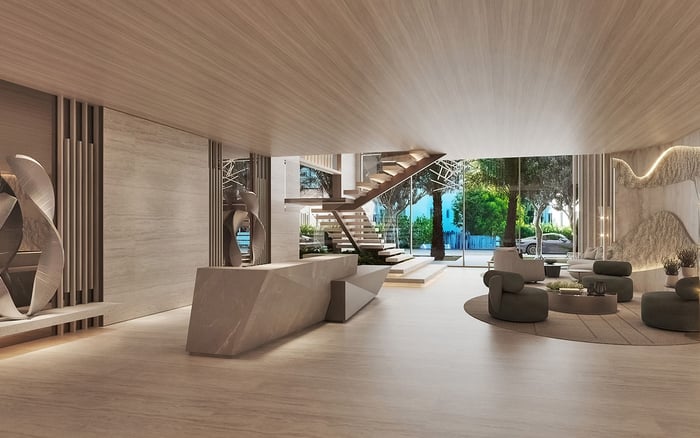
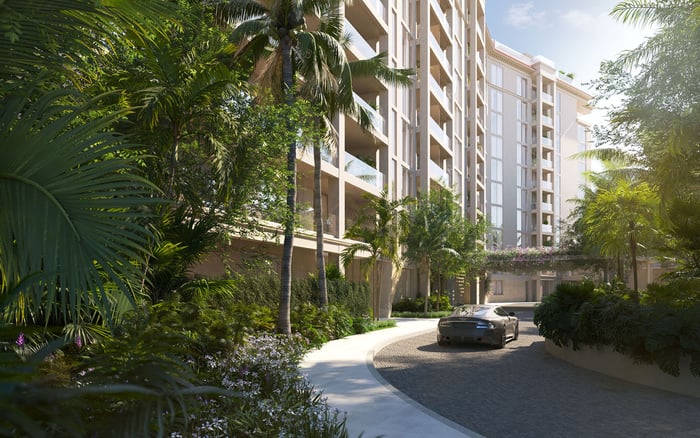
The building itself should be observed when it is working, not only when it is being shown. A weekday visit can reveal how residents, guests, staff, vendors, and management share the same spaces. Watch the porte cochere. Listen in the lobby. Observe whether elevators feel calm or strained. Notice how packages, luggage, and service providers are handled.
Ask practical questions with discretion. How are deliveries managed? How is guest access handled when the owner is away? What is the process for contractors? How do residents reserve amenities during busy periods? How does the building manage noise from renovations or routine maintenance? None of these questions is glamorous, but each one speaks directly to the quality of ownership.
This is also where comparisons become useful. A buyer weighing Key Biscayne against a curated low-rise or boutique feel in Coconut Grove, perhaps near a project such as Four Seasons Residences Coconut Grove, should compare not only architecture but operational temperament. The best building is the one whose systems feel aligned with the owner’s expectations.
South Florida’s premium neighborhoods each offer a different weekday proposition. Key Biscayne may appeal to buyers seeking a more residential pace. Brickell may suit those who want immediate proximity to business and dining. Coconut Grove can attract buyers who prioritize a softer village-like rhythm. Miami Beach may appeal to those who want a stronger resort and cultural cadence.
The mistake is to compare only views, floor plans, and price. A buyer considering The Ritz-Carlton Residences® Miami Beach alongside Key Biscayne should also compare the weekday soundtrack, the ease of recurring errands, the social tempo after work, and the practical experience of hosting guests. These softer details often determine whether a residence becomes a sanctuary or a beautiful inconvenience.
If possible, spend a full weekday nearby without an agent or host. Work from a local café or private club if available to you. Schedule a lunch, make a pharmacy stop, take a late walk, then return after sunset. The goal is not to judge the neighborhood from a distance. It is to inhabit it briefly and honestly.
A purchase in Key Biscayne should pass the five-day standard: would you enjoy the address from Monday morning through Friday evening, without waiting for the weekend to justify it? If the answer is yes, the residence has cleared a meaningful threshold. If the answer is uncertain, slow down and test again.
Weekday function is not a compromise on beauty. It is the framework that lets beauty endure. The most successful luxury purchases are not merely photogenic. They are easy to return to, easy to manage, easy to share, and easy to repeat.
Why should I evaluate Key Biscayne on weekdays instead of weekends? Weekdays reveal the ordinary rhythm of access, errands, services, and quiet. Weekend visits can make almost any neighborhood feel more relaxed than it is during daily life.
How many weekday visits should I make before purchasing? Two is a sensible minimum: one in the morning and one in the late afternoon or evening. If the purchase is significant, repeat the test at the exact hours you expect to use the home.
What should I observe during a weekday showing? Watch arrivals, departures, lobby activity, valet flow, delivery handling, noise, and the pace of nearby streets. These details show how the property functions when residents are living normally.
Should I test my commute before making an offer? Yes. Drive the real route at the real time you expect to travel, because convenience is personal and time-specific.
What matters most for a second-home buyer? Ease of use matters most. A second home should be simple to open, enjoy, service, and leave without excessive coordination.
How should I compare Key Biscayne with Brickell? Compare retreat against immediacy. Brickell may offer a more urban daily pattern, while Key Biscayne should be judged on whether its calmer setting fits your actual week.
How should I compare Key Biscayne with Coconut Grove? Focus on the pace of daily errands, dining habits, family routines, and preferred residential atmosphere. Both can feel refined, but the weekday experience may differ substantially.
How should I compare Key Biscayne with Miami Beach? Look beyond the view and test the social rhythm, guest access, service logistics, and evening atmosphere. The right choice depends on how you live between weekends.
Are building operations as important as neighborhood character? Yes. Security, deliveries, elevators, valet, staff access, and maintenance policies can shape daily comfort as much as location.
What is the simplest rule before buying? Do not buy only the weekend version of the address. Buy the version that still feels elegant on an ordinary Tuesday.
For a discreet conversation and a curated building-by-building shortlist, connect with MILLION.
If branded residences are on your mind — as a home or as an allocation — we would be glad to share what we are seeing, privately.
Begin a quiet conversation