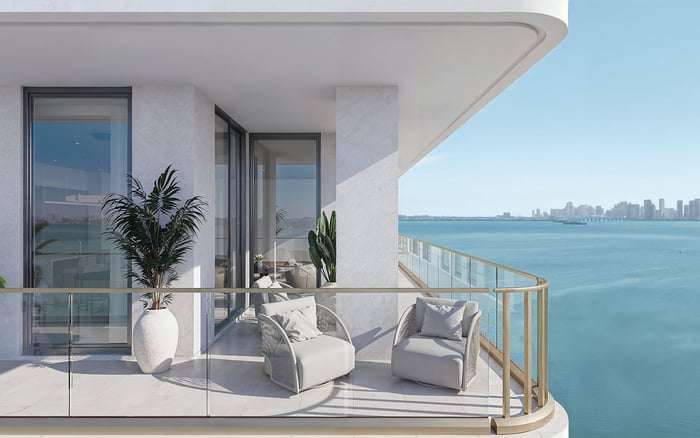
A family-centered framework for evaluating waterfront homes in North Bay Village, from building-level storm planning and insurance review to daily logistics, residence selection, and long-term ownership readiness.

A waterfront home can be emotionally persuasive within seconds. For a family buyer, however, the better decision begins after that first impression. The objective is not simply to secure a compelling outlook, but to understand how the residence, building, household, and ownership structure would function during ordinary weeks and periods of disruption.
Before comparing finishes, write a concise family brief. Include who will occupy the home, whether it will be a primary or second home, how frequently guests may stay, where essential belongings would be stored, and what support each family member might require if plans changed quickly. Pets, caregivers, young children, older relatives, and household staff can each reshape the practical test.
This discipline keeps the purchase centered on lived experience. A beautiful balcony, pool, or water view may remain important, but each should sit within a broader assessment of access, privacy, security, storage, and operational readiness.
Family buyers should examine waterfront ownership across three layers. First is the private residence: its layout, openings, mechanical systems, storage, and the location of essential controls. Second is the building: common areas, staffing, communications, access procedures, maintenance responsibilities, and contingency planning. Third is the household: insurance, documents, transportation, supplies, contacts, and decision-making.
A weakness in any one layer can affect the others. Ask for written materials rather than relying on a verbal overview. Review the governing documents, available financial materials, insurance information, maintenance responsibilities, alteration rules, and emergency procedures with qualified legal, insurance, engineering, and tax advisers as appropriate.
For families comparing North Bay Village residences, consistency is essential. Use the same questions, document requests, and review team for every candidate so architectural appeal does not obscure operational differences.
Storm preparation should be treated as an ownership system, not a last-minute shopping exercise. During due diligence, ask how the building communicates before, during, and after a significant weather event. Clarify who secures shared spaces, how residents receive updates, which access rules may apply, and where responsibilities shift from management to the owner.
Within the residence, identify what would require attention before departure or sheltering. Consider outdoor furniture, glazing protections, valuable objects, refrigeration, electronics, medicines, documents, and any equipment requiring power. Determine where protective materials can be stored and who may install them if the household is away.
Then create a family decision tree. It should assign authority, identify essential contacts, establish a document backup plan, and account for transportation, accommodation, prescriptions, children, pets, and staff. The purpose is not to predict an event, but to reduce ambiguity when time and attention are limited.
Luxury is partly operational. Families should look beyond amenity imagery and examine how the property is intended to function. Request clarity on staffing scope, vendor access, package handling, parking procedures, service-entry protocols, guest registration, backup communications, and the treatment of common areas during preparation and recovery.
Financial review belongs in the same conversation. Buyers can ask about reserves, planned work, current obligations, potential assessments, insurance arrangements, deductibles, and the allocation of costs between the association and individual owners. These subjects demand document-level review by the buyer’s advisers, not assumptions based on a building’s age, appearance, or branding.
The right question is not whether a property can promise complete continuity. It is whether responsibilities are clearly defined, communicated, documented, and compatible with the family’s expectations.
North Bay Village buyers may begin with several distinct residential options. Continuum Club & Residences North Bay Village can be placed on a comparison sheet that gives equal weight to private-residence details and building operations. The review should focus on disclosed documents and specifications rather than conclusions drawn from presentation materials alone.
Apply the same discipline to Shoma Bay North Bay Village. Request the materials relevant to the specific residence and anticipated ownership period, then have the appropriate advisers interpret them.
A buyer considering Tula Residences North Bay Village should use an identical checklist, including questions about access, storage, communications, insurance boundaries, and household preparation. Consistency brings the trade-offs into sharper focus.
Families widening the comparison to a nearby waterfront setting could also review Onda Bay Harbor through the same framework. The objective is not to declare one format superior, but to determine which disclosed operating model best matches the household.
Storm readiness matters, but daily friction often determines whether a home feels successful. Walk through a normal weekday in detail. Consider school or work departures, deliveries, guest arrivals, service appointments, groceries, strollers, sports equipment, luggage, and evening returns. If boating is central, investigate boat-slip arrangements, access rules, responsibilities, and costs through the relevant documents and professionals.
When possible, visit at times that mirror the family’s routine. Trace the path from parking or arrival to the residence. Examine where wet items, bicycles, seasonal objects, and emergency supplies would go. Ask whether household help can operate discreetly and whether children can move through the property in a way that feels manageable.
A waterfront lifestyle should be evaluated as a sequence of recurring tasks, not merely a collection of amenities. The best fit is the residence whose pleasures remain persuasive after its practical requirements are fully understood.
Before making an offer, translate the family brief into conditions and priorities. Separate non-negotiables from preferences. Non-negotiables might include documented insurance review, legal approval, technical inspection, storage, access, or the ability to execute the household’s preparation plan. Preferences might include view orientation, amenity proximity, or decorative finish.
Create a total ownership worksheet using only verified figures supplied for the specific property and transaction. Leave room for professional reviews, possible future work, personal preparation measures, and the family’s desired level of contingency. Where a cost or responsibility remains unclear, treat it as an open diligence item rather than filling the gap with an estimate.
The most composed buyer is not the one who ignores uncertainty. It is the one who identifies uncertainty early, assigns it to the right adviser, and determines what evidence is necessary before proceeding.
Should a family choose the view before reviewing building operations? No. The residence and the building’s disclosed operating framework should be evaluated together.
What documents should buyers request? Request governing, financial, insurance, maintenance, assessment, alteration, and emergency materials relevant to the property.
Who should interpret technical or legal documents? Use qualified legal, insurance, engineering, inspection, and tax professionals as appropriate.
How should families compare different projects? Apply one written checklist to every residence and record unanswered questions separately.
Does a newer presentation remove the need for diligence? No. Buyers should review the specific disclosures, documents, and specifications available for each property.
What belongs in a household storm plan? Include decision authority, contacts, documents, transportation, accommodation, medicines, children, pets, and staff.
Why does storage matter in preparation planning? Families need to know where supplies, protective materials, documents, and outdoor items can be kept.
How should a second-home owner plan differently? Establish who can access and prepare the residence when the owner is away, subject to building rules.
Should boating needs be reviewed separately? Yes. Confirm boat-slip rights, access, responsibilities, and costs through the applicable materials.
What is the central buying principle? Choose the home whose verified responsibilities, operations, and daily rhythm align with the family’s priorities.
If you'd like a private walkthrough and a curated shortlist, connect with MILLION.
If branded residences are on your mind — as a home or as an allocation — we would be glad to share what we are seeing, privately.
Begin a quiet conversation