A family-focused framework for evaluating waterfront homes, storm readiness, building operations, insurance, boating needs, and everyday resilience in Fort Lauderdale.
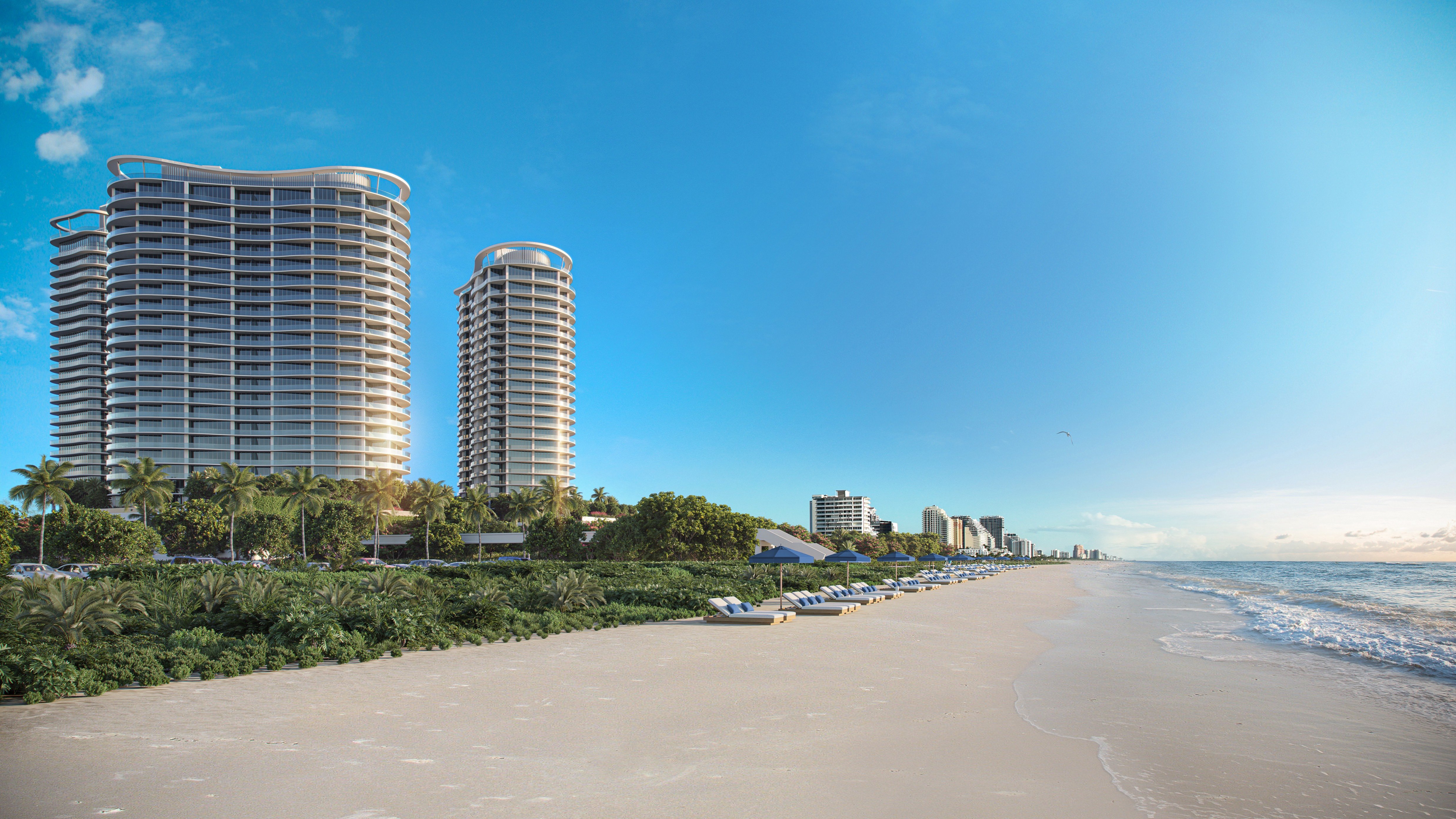
For a family buyer, waterfront ownership is not simply a view, a dock, or a route to open water. It is a household operating model. The right Fort Lauderdale residence should support school mornings, multigenerational visits, pets, boating days, extended travel, and the less glamorous work of preparing a home when severe weather threatens.
Begin by defining how the property will actually be used. A primary residence requires a different level of continuity than a seasonal home with professional oversight. A family expecting grandparents, young children, or frequent guests should also test whether evacuation, backup communication, and post-event access remain manageable for everyone.
This buyer’s guide approach puts lifestyle first without separating it from preparedness. A beautiful residence becomes more compelling when ownership responsibilities are clear, records are organized, and the family knows who will act in its absence.
Review four layers independently: the residence, the building or site, the surrounding access, and the ownership structure. A polished interior cannot answer questions about common-area protection, drainage, emergency power, water-intrusion procedures, or the timing of post-storm inspections.
For a condominium, request written emergency protocols from management and clarify which systems serve residences, common areas, elevators, parking, communications, and life-safety functions. Determine who secures exterior furniture, how residents receive notices, where vehicles may be moved, and how access is controlled after an event. For a single-family home, translate those questions into vendor assignments, equipment checks, landscape preparation, dock procedures, and a documented sequence for closing and reopening the property.
Do not accept “storm ready” as a complete answer. Ask what the phrase covers, who verifies each step, when equipment was last tested, and which responsibilities belong to the owner.
Families often compare waterfront addresses by outlook and proximity, yet route planning deserves equal attention. Drive the approaches during school-run hours and after heavy rain. Identify more than one route to the home, then consider how household members would leave if one became unavailable.
This framework also helps compare Fort Lauderdale Beach with residences farther inland. Buyers might include Auberge Beach Residences & Spa Fort Lauderdale and Four Seasons Hotel & Private Residences Fort Lauderdale in a coastal comparison, evaluating access, management procedures, parking, and family routines rather than relying on setting alone.
A household plan should specify where family members meet, who collects children or pets, what travels in each vehicle, and which contact coordinates vendors. The purpose is not to predict a particular storm, but to reduce improvisation.
A marina or boat slip can be central to the purchase, but it should be assessed as working infrastructure. Confirm in writing what interest, right, license, or assignment is being conveyed. Review dimensions, access rules, utility arrangements, maintenance obligations, transfer restrictions, and procedures for securing or relocating a vessel.
The family should also decide whether boating convenience justifies the operational commitment. Consider boarding safety for children and older guests, gear storage, the path between the residence and vessel, and who remains responsible when the family travels.
A comparison that includes St. Regis® Residences Bahia Mar Fort Lauderdale can help buyers frame questions about waterfront living and boating priorities. The project name or presentation should never substitute for reviewing the current governing documents, agreements, and disclosures applicable to the specific residence.
Review insurance before emotional commitment hardens into a purchase decision. Ask qualified insurance and legal advisers to examine the proposed residence, ownership structure, applicable association coverage, deductibles, exclusions, owner responsibilities, and any separate protection the household may need.
In a condominium, compare the boundaries of association and owner responsibility. Ask how claims are handled, how deductibles may affect owners, and whether planned improvements could change coverage needs. In a house, include the structure, contents, exterior elements, dock components, vehicles, watercraft, and temporary living arrangements in the discussion.
Documents should support resilience claims. Request permits, inspection records, warranties, maintenance histories, association materials, and available evidence for relevant improvements. Your advisers can then identify gaps, inconsistencies, or follow-up questions before closing.
Luxury families may prefer a staffed building because management can coordinate preparation, communication, and recovery. Others may value the direct control of a private home. Neither format is automatically simpler: a condominium relies on collective systems and rules, while a house places more decisions and vendor relationships with the owner.
Use The Ritz-Carlton Residences® Fort Lauderdale as another point of comparison when testing service expectations against written responsibilities. For buyers who do not require immediate waterfront frontage, Sixth & Rio Fort Lauderdale can broaden the conversation to urban convenience and a different ownership rhythm.
The best choice is the one whose obligations remain realistic amid travel, work pressure, and family change. Prepare a one-page ownership calendar covering insurance reviews, equipment testing, document updates, vendor confirmations, and household drills. Readiness should be repeatable, not dependent on memory.
Before choosing a property, request a clear map of responsibility. Who protects openings and outdoor areas? Who communicates with residents? What power, water, access, parking, elevator, and security limitations could affect the household? Which vendors may enter, and how is authorization handled if the owner is absent?
Then test the answers against the family’s nonnegotiables. A view may be exceptional, but a residence is suitable only if the children, caregivers, pets, vehicles, guests, and vessel can all be accounted for in a practical plan. In Fort Lauderdale, sophisticated buying means valuing pleasure and preparedness together.
Should storm preparation begin before making an offer? Yes. Early review gives advisers time to examine documents, responsibilities, coverage questions, and operational expectations before the buyer becomes committed.
Is a condominium automatically easier than a waterfront house? No. A condominium may centralize certain tasks, while a house may provide more direct control. Each requires a different responsibility map.
What should families ask building management for? Request written emergency procedures, communication protocols, owner obligations, access rules, and available records for relevant systems and maintenance.
How should buyers evaluate emergency power? Ask precisely which systems and areas it serves, how it is tested, and what limitations residents should expect.
Why does post-storm access matter? A sound plan considers how residents, caregivers, vehicles, inspectors, and approved vendors can return without relying on a single route.
Should a dock be reviewed separately from the residence? Yes. Confirm the legal right being conveyed, physical suitability, operating rules, maintenance duties, utilities, and storm procedures.
How can parents make preparedness less disruptive? Assign roles, maintain current contacts, organize essential documents, and use a repeatable checklist suited to children, pets, and caregivers.
What records are useful during due diligence? Relevant permits, inspections, warranties, maintenance histories, governing documents, insurance materials, and written operating procedures deserve professional review.
Can a luxury service model replace the family’s own plan? No. Services may support preparation, but owners should understand their limits, maintain contacts, and retain household instructions.
What is the central test for a family waterfront purchase? The residence should deliver enjoyment while its access, responsibilities, insurance considerations, and preparedness routines remain understandable and manageable.
If you'd like a private walkthrough and a curated shortlist, connect with MILLION.
If branded residences are on your mind — as a home or as an allocation — we would be glad to share what we are seeing, privately.
Begin a quiet conversation