Faena Residences Miami and One Thousand Museum illustrate why workspace appeal and connectivity resilience require separate scrutiny. For buyers whose residences must support consequential work, the decisive questions concern documented power coverage, network backup, privacy, and practical access.
For a buyer who conducts consequential business from home, luxury includes the ability to close a door, hold a confidential conversation, and stay connected during a disruption. Architecture and service shape the residential experience. Neither, on its own, establishes whether a video conference can continue through a power interruption.
That distinction frames the comparison between Faena Residences Miami Downtown Miami and One Thousand Museum Downtown Miami. Their reviewed public materials do not establish generator-backed internet or telecom redundancy. That limits what a buyer can conclude; it is not evidence that either property lacks those capabilities.
The useful conversation begins with three separate questions: which spaces support work, what infrastructure serves them, and what remains available during an interruption. Keeping those questions distinct prevents an impressive amenity presentation from becoming an assumed business-continuity commitment.
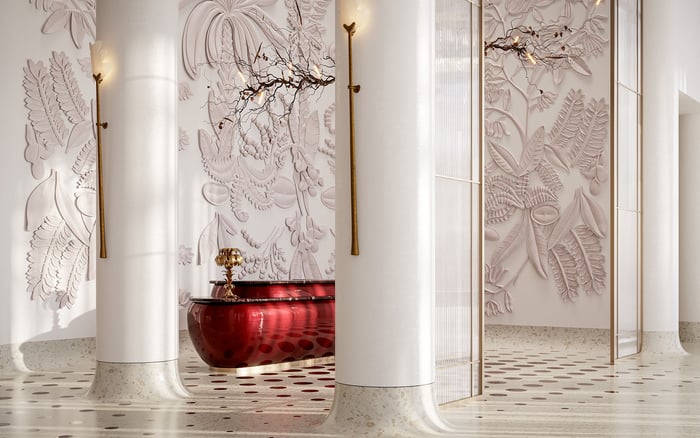
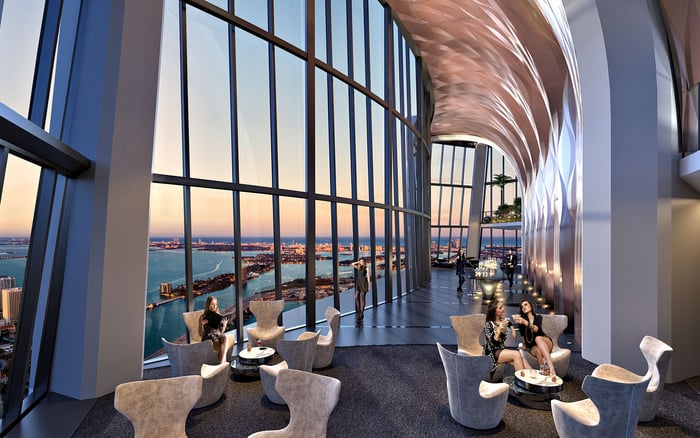
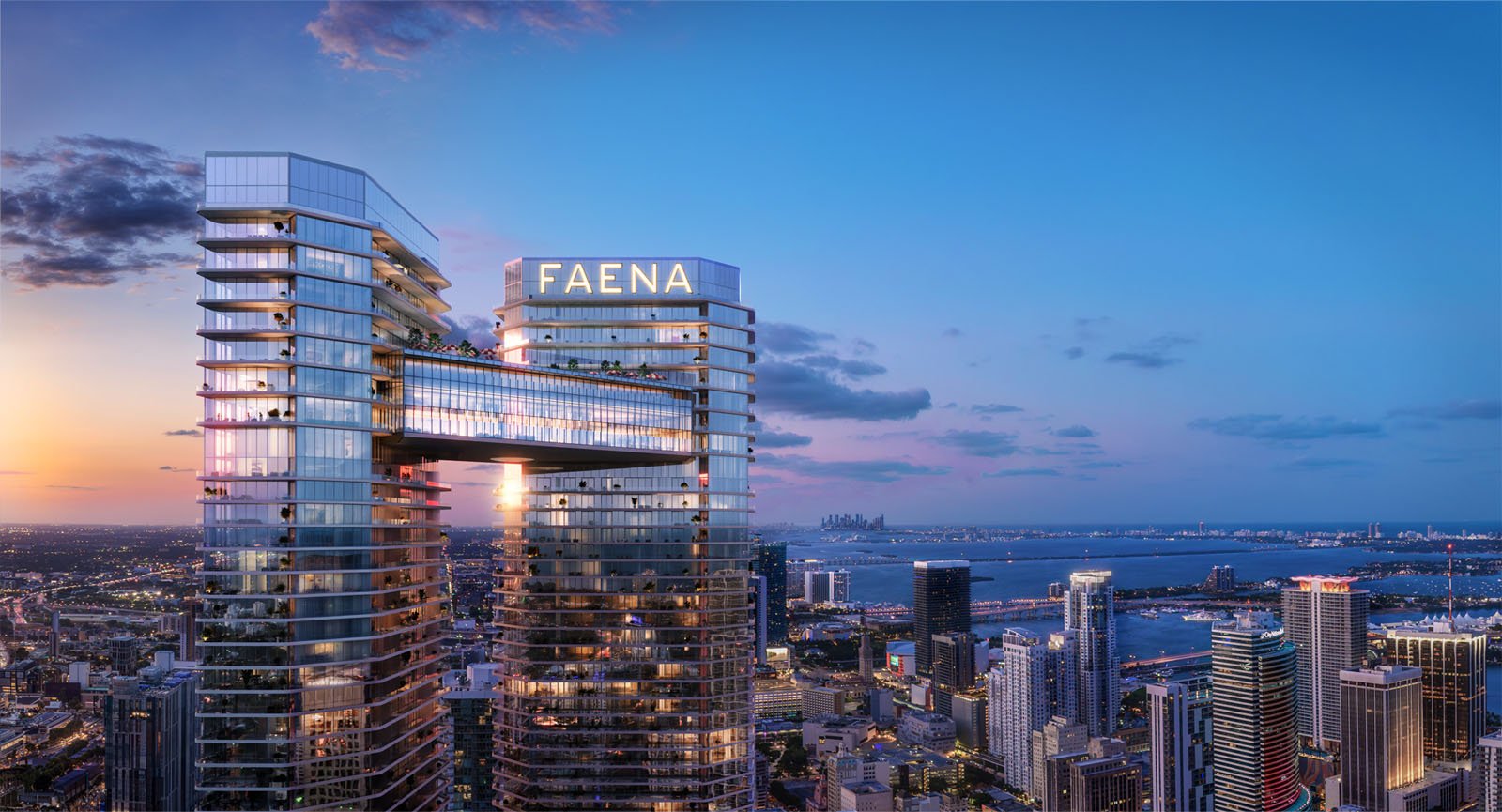
Faena Residences Miami is a planned, fully serviced development in the Faena District Miami River, comprising two 68-story towers and approximately 440 residences. Plans for its three-level Sky Bridge call for more than 100,000 square feet of amenities. The planned mix includes a library, lounges, creative areas, private dining, and multipurpose event space.
Those settings invite a closer look at how work might fit into the residential experience. They do not establish the conditions for sustained professional use. A library's atmosphere, for example, is no substitute for confirmation that confidential calls are permitted or that a resident can secure an appropriate room when needed.
For any proposed workspace, request the intended layout, seating capacity, power provision, network arrangements, and operating rules. Keep planned features distinct from installed facilities. Before relying on them, seek confirmation of installation, commissioning, and the rules governing actual resident access.
Dedicated networking, wired connections, acoustic standards, booking limits, and guaranteed business-hours access remain unestablished in the reviewed materials.
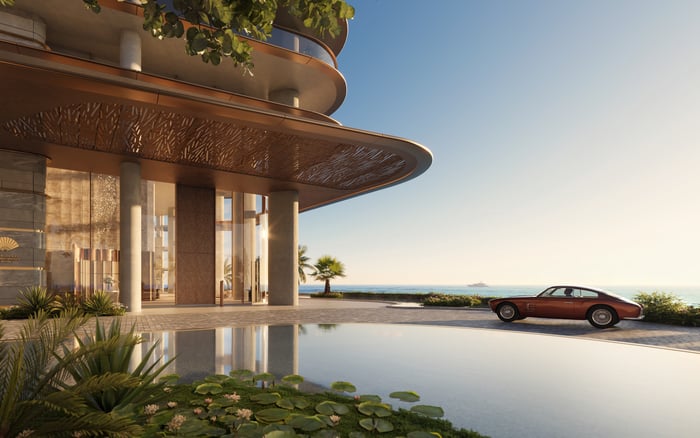
One Thousand Museum stands at 1000 Biscayne Boulevard in Downtown Miami and is identified with Zaha Hadid's architectural design. Its amenities include a pool and amenity deck, fitness and spa areas, and expansive service rooms. It is also marketed as having Miami's first private helipad on a residential tower.
These are distinct elements of its residential offering. None verifies internet continuity, network redundancy, or the availability of a private office.
A dedicated business center, coworking suite, private-office inventory, or bookable workroom is not clearly established in the reviewed materials. An unlisted facility should not be treated as nonexistent. Ask management to identify the spaces residents may use for work, explain their permitted uses, and provide current access rules.
A viewing should test the space against the buyer's intended routine-not simply establish whether a room can accommodate a laptop.
The phrase generator-backed internet warrants a precise written explanation before it influences a purchase decision. Neither property's reviewed public materials establish that capability. Separate references to generators, Wi-Fi, or smart-home features should not be combined into a promise of uninterrupted connectivity.
Ask the relevant building representative to identify which communications equipment receives emergency power. Distinguish shared amenity connectivity from service inside the residence, and clarify whether the equipment serving the intended workspace is included. Ask what happens during the transition from normal power and whether an interruption should be expected.
Next, examine the connection itself. Request confirmation of available internet providers, backup arrangements, and outage procedures. Where resilience matters, ask specifically about physically diverse fiber entrances, redundant telecom risers, and cellular failover. These features remain unestablished for Faena in the reviewed materials; the question should remain open until supported by documentation.
Finally, establish who is responsible for each part of the service and what the building can commit to. A useful response defines coverage, limitations, and procedures rather than offering a general assurance of backup power. Request any applicable commissioning or test records without assuming they exist.
A beautiful shared space may suit reading but not a confidential negotiation. Define the requirements before assessing the amenity: occasional email, uninterrupted analytical work, client meetings, and sensitive calls impose different demands.
For Faena, frame these questions around the final planned facilities and subsequent operating arrangements. At One Thousand Museum, first establish which work-oriented facilities are available, then assess their suitability. Neither inquiry should begin with an assumption about room inventory.
Ask about acoustic privacy, wired connections, usable outlets, desk capacity, and the ability to reserve a room for the required duration. Clarify guest access, cancellation rules, booking limits, charges, and opening hours. If work regularly spans time zones, seek an explicit answer about early-morning and evening use. Residential access should not be interpreted as unrestricted workspace access.
Where a facility is available to inspect, request a demonstration suited to your needs. Where it remains planned, obtain the relevant specifications and establish when performance can be assessed. The distinction is between an attractive possibility and a dependable part of daily life.
Apply the same discipline beyond these two properties. If Aston Martin Residences Downtown Miami also enters the shortlist, ask the same questions without assuming that any particular workspace or resilience feature is provided.
Create a comparison record with separate entries for workspace availability, reservation rules, in-residence connectivity, shared-space connectivity, emergency-power coverage, and backup procedures. Label each answer as planned, documented, demonstrated, or unresolved. This keeps a future specification from being treated as equivalent to an observed operating condition.
For a residence expected to support critical work, identify essential requirements before comparing lifestyle amenities. A buyer who needs private calls every morning may reach a different conclusion from someone seeking an occasional place to read and correspond. The strongest choice rests on the buyer's actual requirements and the property's documented capabilities.
Faena and One Thousand Museum present different starting points, but the decision standard is consistent: distinguish amenity appeal from operational assurance. Faena's planned setting calls for attention to delivery and eventual operating rules. One Thousand Museum calls for confirmation of the work facilities available and how they function.
For both, unresolved connectivity details belong in the diligence conversation-not in an assumption of either adequacy or deficiency. Obtain written answers before making essential work routines dependent on those capabilities.
For a discreet conversation about aligning your next residence with your working life, connect with MILLION.
If branded residences are on your mind — as a home or as an allocation — we would be glad to share what we are seeing, privately.
Begin a quiet conversationNo. They do not establish generator-backed internet, so buyers should request written confirmation rather than infer continuity from the amenity offering.
The reviewed public amenity materials do not establish telecom redundancy. That does not prove it is absent; the details require direct confirmation.
The planned, fully serviced development comprises two 68-story towers and approximately 440 residences in the Faena District Miami River.
The three-level Sky Bridge is described as offering more than 100,000 square feet of amenities. That scale does not establish workspace performance or connectivity resilience.
The reviewed descriptions do not establish dedicated networking, wired connections, acoustic standards, booking limits, or guaranteed business-hours access.
The reviewed amenity descriptions do not clearly identify a dedicated business center or bookable workroom. Buyers should confirm available facilities rather than assume none exists.
No. Its marketed private helipad is a separate amenity claim and does not verify emergency-power coverage for internet service or telecom redundancy.
Request written identification of the communications equipment covered, including distinctions between shared amenities and in-residence service. Ask about power-transition interruptions and applicable test records.
Confirm reservation duration, booking limits, opening hours, guest access, and any charges. Also ask about acoustic privacy, desk capacity, outlets, and connection options.
Keep planned specifications separate from documented or demonstrated operating conditions. For planned facilities, seek confirmation of installation, commissioning, and resident access rules before relying on them.