Coral Gables offers a clearer MIA-focused planning benchmark, while Coconut Grove pairs its bayfront appeal with relatively short airport distances. For private flyers, the decisive comparison is residence-to-FBO performance, not a neighborhood's fastest advertised drive.
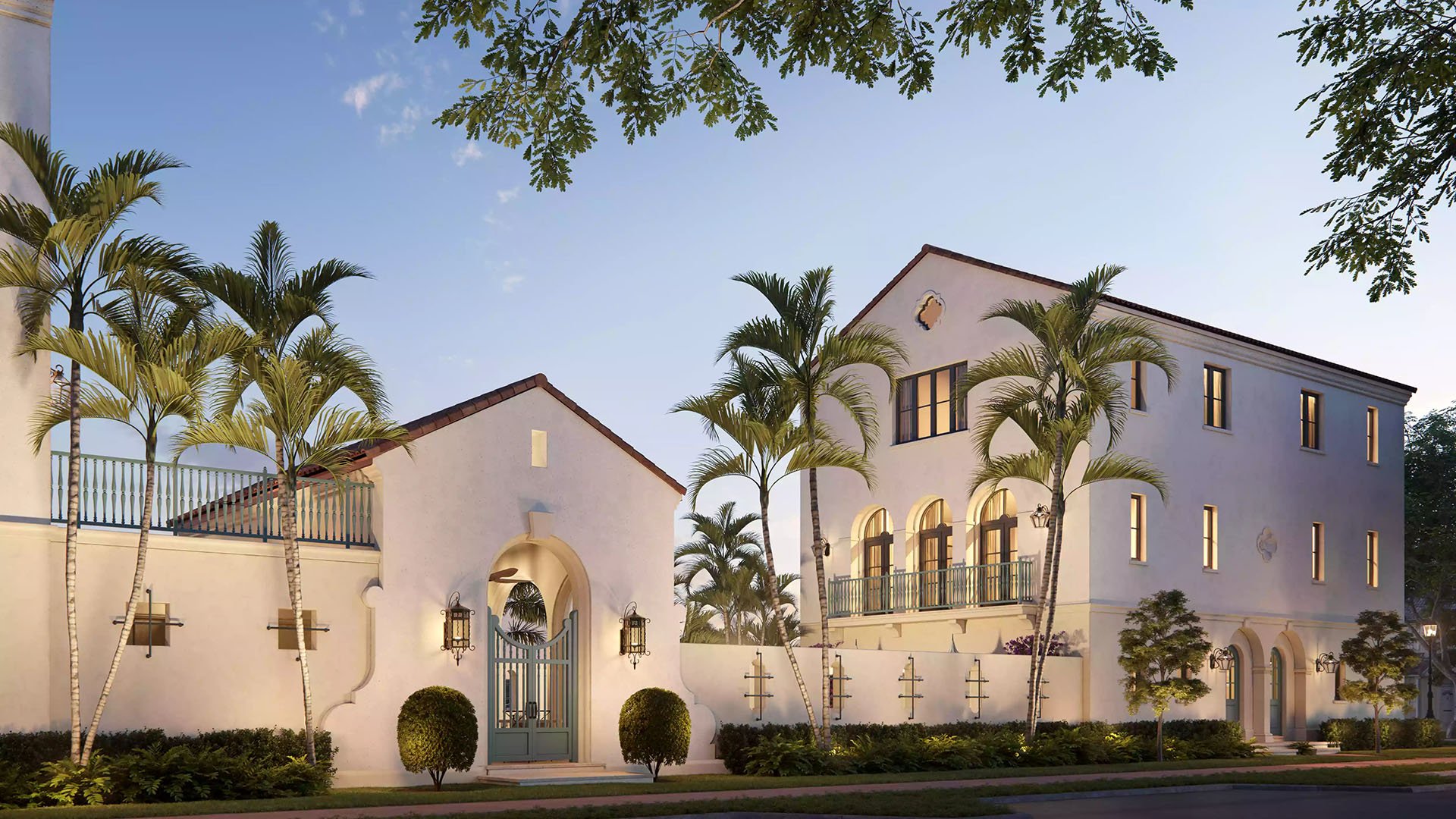
For a buyer who flies privately, airport proximity is not simply a matter of mileage. It is the interval between leaving the residence and reaching the agreed aviation handoff, with the driver, luggage and arrival instructions already coordinated. A short route may be appealing without making for a dependable departure plan.
Coral Gables and Coconut Grove both merit consideration for buyers using Miami International Airport, or MIA. The distinction is subtler than one being universally faster. Coral Gables offers a clearer planning benchmark for an MIA-centered routine, including an explicit rush-hour estimate. Coconut Grove offers a bayfront alternative with relatively short airport distances, but no equivalent neighborhood-wide peak-hour benchmark is established here.
The better purchase is the residence whose actual transfer pattern fits the owner's calendar. Treat airport access as an address-specific requirement, alongside the qualities that make the home worth returning to.
Coral Gables-MIA route estimates include 6.4 road miles and approximately 12 minutes of driving. An alternative estimate puts the journey from MIA at approximately five miles south along FL-953/SW 42nd Avenue, taking 20 minutes. A further transfer estimate allows 12-25 minutes for approximately six miles.
Those figures support placing Coral Gables on an MIA-focused shortlist. They do not justify building every departure around a 12-minute drive. A separate estimate puts the transfer at about seven miles, with 15-25 minutes off-peak and 25-40 minutes during rush hour. For a buyer whose flight schedule regularly intersects with commuter traffic, that distinction deserves more weight than the shortest headline time.
When considering Ponce Park Coral Gables, test its specific pickup point against the intended aviation facility. The neighborhood figures provide context, not a verified transfer time for the project.
An MIA-first buyer should therefore approach Coral Gables as a strong candidate for route testing, not a promise of effortless access. The difference matters most when flights follow tightly scheduled meetings or evening commitments.
Coconut Grove's estimated MIA driving distance is approximately seven miles. That keeps the airport relatively close in mileage, but does not establish a reliable rush-hour journey. Short distance and predictable duration are separate propositions.
A property-specific estimate puts the transfer from Cloisters on the Bay to MIA private-aviation facilities at 15-20 minutes. Treat it as an estimate to investigate, not a promise that extends to every Grove address. Buyers should resist applying it to another residence simply because both share the neighborhood name.
For someone drawn to Park Grove Coconut Grove, the question is whether the actual residence-to-FBO journey works at the hours they expect to travel. The area's bayfront appeal can remain the primary attraction while airport performance becomes a measured purchase criterion.
The same discipline applies when evaluating Four Seasons Residences Coconut Grove. Assess the precise departure arrangement rather than assuming a brand or neighborhood establishes a faster transfer. The available estimates neither justify applying Coral Gables' 25-40-minute rush-hour range to the Grove nor establish that the Grove is slower.
A generic MIA route is not necessarily a route to the fixed-base operator, or FBO, handling the flight. The transfer estimates do not consistently specify an airport entrance or passenger pickup point. For private aviation, settle that detail before comparing homes by minutes.
Ask the flight team to identify the exact vehicle destination and confirm the passenger handoff instructions. Then ask the chauffeur to evaluate the journey from the actual residential exit, not a neighborhood center. Keep the road-time estimate separate from the time needed to leave the residence, load luggage and meet the operator's requested arrival schedule.
At The Village at Coral Gables, as at any candidate address, review where a driver may wait, how passengers reach the car and whether advance access coordination is required. These are questions for property-specific due diligence, not established advantages of Coral Gables over Coconut Grove.
Ask the aviation operator directly about any customs requirements and operating hours relevant to the trip. Neither should be inferred from a general airport transfer estimate.
The Coral Gables rush-hour benchmark of 25-40 minutes is a planning reference, not a guaranteed ceiling. Its value lies in distinguishing a busier travel window from the 15-25-minute off-peak estimate. An equivalent peak-hour comparison for Coconut Grove is not established here.
Before purchasing, arrange trial drives at the times that matter to the household. Test the outbound trip before a typical departure and the return after a typical arrival. Record the residential exit, airport entrance, route and elapsed road time to keep the comparison consistent.
Do not average away different routes. Another Coral Gables-MIA estimate allows approximately 20 minutes for 12 driving miles via FL-826. That differs materially from the shorter journeys. Before judging a residence on such a number, establish which endpoints and route the driver will actually use.
Keep any scheduling buffer separate from the measured drive. Set it with the chauffeur and flight team rather than treating it as a fixed neighborhood attribute.
Miami Executive Airport, or TMB, provides another planning reference for Grove buyers: an estimated transfer of approximately 12 miles and 20-30 minutes to Coconut Grove. This creates a second airport scenario to evaluate, not proof that TMB is preferable for a particular flight.
If the flight team proposes TMB, compare the exact facility-to-residence journey independently. Confirm the operational fit with the aviation provider before allowing a ground-transfer estimate to influence the residential decision. A useful alternative airport is one that works for the actual itinerary.
For buyers organizing their search around MIA, Coral Gables offers a clearer distinction between off-peak and rush-hour driving estimates. For buyers prioritizing Coconut Grove's bayfront setting, short estimated distances support keeping it firmly in consideration without assuming equal peak-hour performance.
Neither neighborhood wins every itinerary. The decisive advantage belongs to the address that pairs the desired home life with a tested driver plan, an exact aviation destination and realistic departure allowances.
Explore residences aligned with your South Florida lifestyle and travel priorities with MILLION.
If branded residences are on your mind — as a home or as an allocation — we would be glad to share what we are seeing, privately.
Begin a quiet conversationNo. Coral Gables has explicit off-peak and rush-hour estimates, but the available figures do not establish a universal speed advantage over Coconut Grove.
The planning range here is 25–40 minutes during rush hour, compared with 15–25 minutes off-peak. These are estimates, not guaranteed arrival times.
The neighborhood route estimate is approximately seven miles. The exact residence, airport entrance and chosen route can change the journey.
Approximately 12 minutes is a route estimate for a 6.4-mile journey, not a peak-traffic allowance. Buyers should test their specific route and travel window.
An equivalent peak-hour benchmark is not established in the available estimates. Coral Gables' rush-hour range should not be applied to Coconut Grove.
No. Its estimated 15–20-minute access to MIA private-aviation facilities is property-specific, not a neighborhood-wide transfer time.
Generic airport estimates do not consistently identify the entrance or pickup point. Confirming the intended FBO allows a more relevant residence-to-facility comparison.
Confirm the actual pickup point, permitted waiting location, luggage-loading arrangement and any advance access requirements. These details should be evaluated at each property.
The estimated journey is approximately 12 miles and 20–30 minutes. The flight team should separately confirm the airport's suitability for the itinerary.
Arrange trial drives between each residence and the intended aviation facility at relevant departure and return times. Separate measured road time from loading, handoff and scheduling allowances.