A buyer-focused guide to evaluating whether a Fort Lauderdale terrace will feel usable in real life, with attention to heat, wind, shade, furniture planning, privacy, and lifestyle fit.
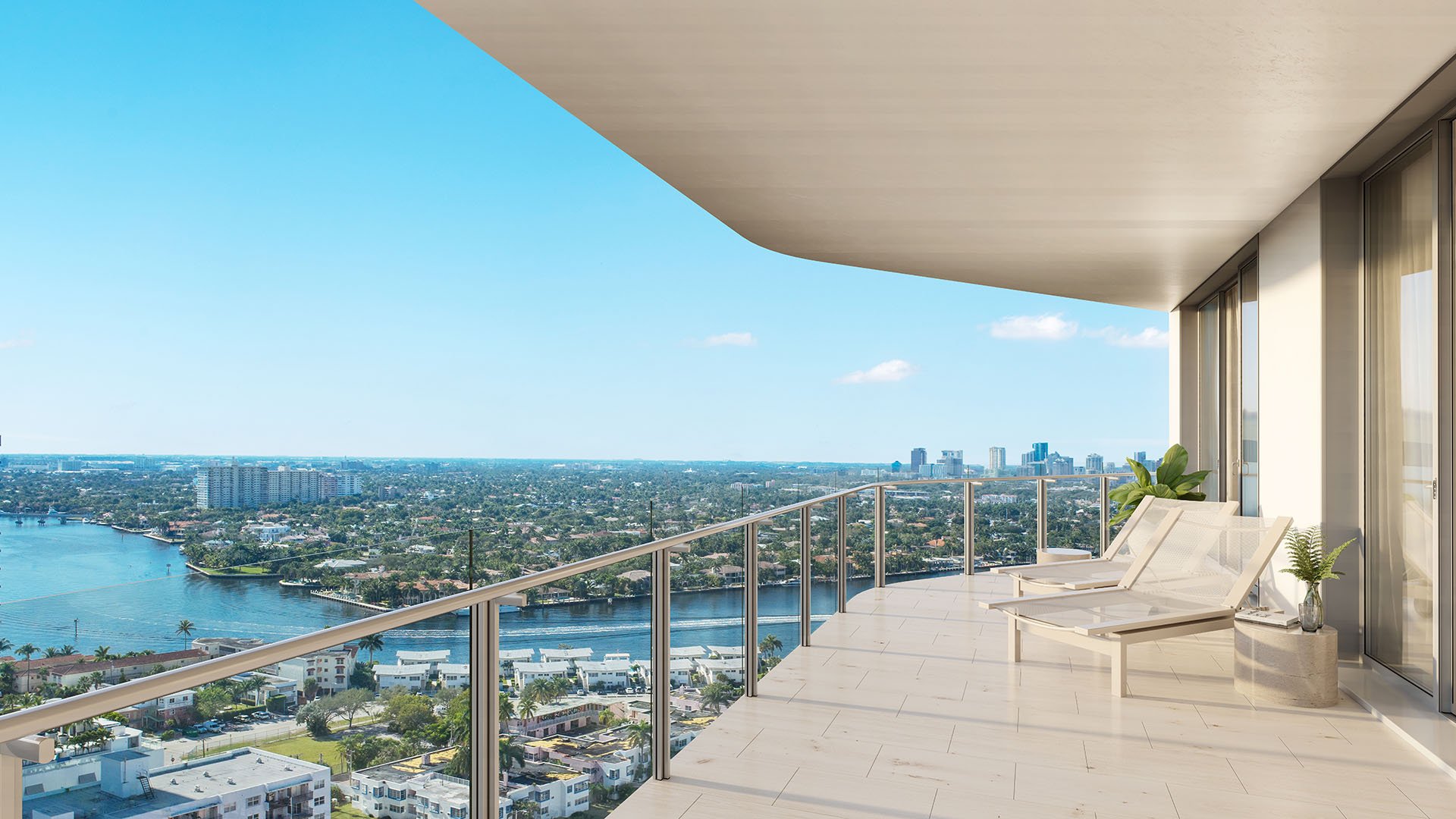
In Fort Lauderdale luxury real estate, outdoor space is often presented as a natural extension of the residence. The best terraces can make a home feel larger, more cinematic, and more connected to water, sky, and the rhythm of the coast. Still, buyers should separate the romance of a terrace from its actual day-to-day performance.
A deep outdoor room that feels comfortable at breakfast, shaded by late afternoon, and protected enough for dinner can be far more valuable than a larger platform that is too hot, too windy, or too exposed to use consistently. The question is not simply how many square feet sit outside the sliding doors. The sharper question is how often you will want to be there.
That distinction matters across the Fort Lauderdale market, from waterfront enclaves to Fort Lauderdale Beach. When touring residences such as Four Seasons Hotel & Private Residences Fort Lauderdale, Riva Residenze Fort Lauderdale, or other new and established luxury addresses, buyers should evaluate the terrace as carefully as the kitchen, primary suite, and view corridor.
Heat is not abstract in South Florida. It is felt through surface temperature, reflected glare, airflow, and the amount of shade available during the hours you actually plan to use the terrace. A buyer who imagines morning coffee outside should visit in the morning. A buyer who entertains at sunset should test the same space in the late afternoon.
Orientation is the first cue. A terrace that receives intense sun during the hours you prefer may require umbrellas, exterior shades, strategic planting, or a rethink of how the space will be furnished. Overhangs can be important, but their usefulness depends on depth, angle, and the sun’s path across the day. Do not assume a covered portion automatically protects the primary seating area.
Materials also matter. Stone, tile, metal furniture, and glass railings can hold or reflect heat differently. A space that looks crisp in a rendering may feel bright and exposed without layered textiles, shaded seating, and surfaces that are comfortable underfoot. For a balcony, the difference between decorative and livable can come down to whether you can sit outside without squinting, shifting seats, or retreating indoors after a few minutes.
Wind can be a gift or a problem. A light breeze can make an outdoor living room feel effortless. Stronger gusts can turn a terrace into a place where cushions move, dining feels impractical, and conversation becomes less relaxed. Buyers should treat wind as a design condition, not an afterthought.
Height often changes the experience, but it is not the only factor. Corner positions, open exposures, nearby buildings, water orientation, and terrace geometry can all influence comfort. A higher residence may offer more dramatic views, while a lower or more protected position may deliver more consistent outdoor use. Neither is universally better. The right answer depends on how you intend to live.
During a showing, step outside and close the doors behind you. Notice whether the wind is steady or turbulent. Listen for whistling at door tracks or railings. Ask whether a linen napkin would stay on a dining table, whether a laptop would feel comfortable, and whether a conversation could continue without raised voices. These small tests reveal more than polished marketing language.
Terrace square footage can be misleading when the shape is narrow, interrupted, or difficult to furnish. Buyers should ask what the space can actually hold. Can it accommodate a dining table with chairs pulled out? Is there room for a pair of loungers without blocking circulation? Can the doors open cleanly without compromising the furniture plan?
Depth is especially important. A long, slim terrace may photograph beautifully but function mainly as a viewing ledge. A slightly smaller, deeper terrace may support dining, lounging, planting, and service circulation with greater ease. The best outdoor spaces have zones, even if they are subtle: a place to sit, a place to dine, and a place to step out and look at the water.
The practical exercise is simple. Bring the dimensions of the furniture you actually use, or ask for a scaled furniture plan. If the plan relies on undersized chairs or a tiny table to make the terrace appear functional, treat that as a signal. Outdoor living should not require miniature furniture to work.
A terrace becomes more usable when it connects naturally to the rooms inside. Wide openings, low thresholds, and logical furniture alignment can make the outdoor area feel like part of the residence. A terrace reached awkwardly from a bedroom corner or blocked by interior seating may be used less often, even when the view is compelling.
Look at where the kitchen, living room, and primary suite meet the outdoors. If you plan to entertain, the path from kitchen to terrace should feel intuitive. If the terrace is meant for quiet mornings, a primary-suite connection may be more valuable. Residences such as St. Regis® Residences Bahia Mar Fort Lauderdale and The Ritz-Carlton Residences® Fort Lauderdale can be considered within this broader lens: how does the private outdoor space support the way you prefer to move through the home?
Also inspect storage and service details. Where will cushions go during storms or extended absences? Is there an exterior water source where permitted and appropriate? Will planters, side tables, and lighting have practical locations? A terrace that is easy to set up and maintain is more likely to become part of daily life.
A terrace is not only about what you see. It is also about who can see you, what you hear, and how visually calm the experience feels. In dense waterfront and urban settings, privacy angles can shift from one end of the terrace to the other. Stand where the dining table would be. Sit where the lounge chairs would sit. Then look left, right, above, and below.
Sound deserves the same attention. Wind, traffic, marina activity, pool decks, and neighboring terraces can all shape the atmosphere. Some buyers accept more ambient sound in exchange for a more active setting. Others prefer a quieter, more protected outdoor room. The key is to understand the trade before purchasing, not after closing.
View discipline is equally important. A wide water view can be extraordinary, but glare, railing height, and the relationship between seated eye level and horizon line all affect comfort. Sit down during the tour. Many buyers judge a terrace while standing, then later discover the seated experience is different.
The most effective terrace evaluation is both emotional and technical. Begin with desire: Where will you have coffee? Where will guests sit? Where will you read, dine, or watch weather move across the water? Then test the physical space against those rituals.
Ask about permitted shade solutions, exterior furnishings, planters, lighting, and any building rules that may shape terrace use. Review maintenance expectations and any restrictions affecting installation, storage, or appearance. Luxury buyers often focus on finishes inside the residence, but the governing details outside can determine whether the terrace functions as a true outdoor room.
In Fort Lauderdale, the most desirable outdoor spaces are not always the largest. They are the ones with the right balance of shade, breeze, proportion, privacy, and connection. A terrace should not merely sell the view. It should earn its place in the way you live.
What makes a terrace usable in Fort Lauderdale? A usable terrace has comfortable shade, manageable wind, sufficient depth, privacy, and a natural connection to the interior living areas.
Should I tour a terrace at a specific time of day? Yes. Visit during the hour you expect to use it most, because heat, glare, and wind can change the experience dramatically.
Is a larger terrace always better? Not necessarily. A smaller terrace with better depth, shade, and furniture layout may be more livable than a larger but exposed one.
How should I evaluate wind before buying? Step outside, close the doors, listen, and imagine dining, reading, or hosting there. Comfort is easier to judge when you pause and observe.
Why does terrace depth matter so much? Depth determines whether furniture can be used comfortably without blocking circulation or making the space feel cramped.
Are glass railings always ideal for views? Glass railings can preserve views, but buyers should still consider glare, heat reflection, maintenance, and the seated sightline.
What should I ask about shade solutions? Ask what is permitted by the building, what can be installed, and whether any exterior additions require approval before use.
Can a balcony function like an outdoor room? Yes, if it has enough depth, shade, comfort, and privacy to support real seating or dining rather than occasional viewing only.
How does waterfront exposure affect terrace use? Waterfront exposure can bring beautiful views and breezes, but buyers should evaluate wind, glare, and privacy from the actual terrace.
What is the best way to shortlist comparable options for touring? Start with location fit, delivery status, and daily lifestyle priorities, then compare stacks and elevations to validate views and privacy.
For a confidential assessment and a building-by-building shortlist, connect with MILLION.
If branded residences are on your mind — as a home or as an allocation — we would be glad to share what we are seeing, privately.
Begin a quiet conversation