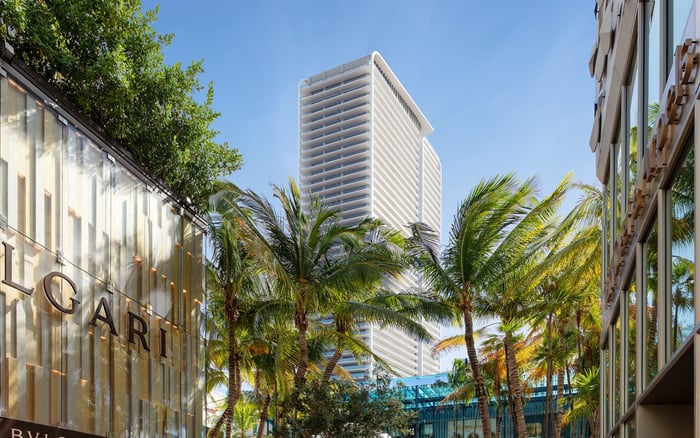
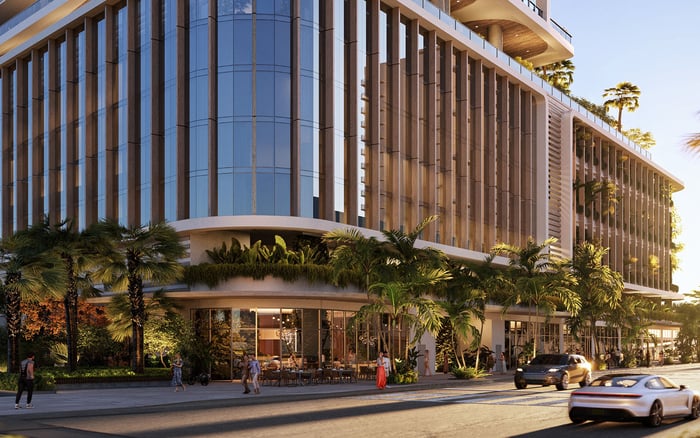
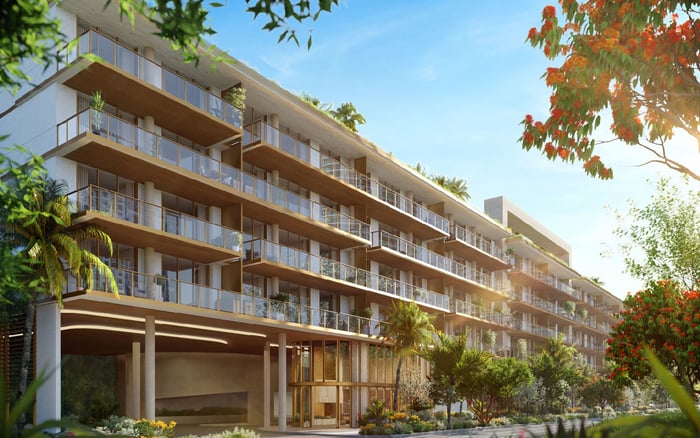
A buyer-focused guide to assessing calm, privacy-minded security in Midtown Miami, from arrival sequences and staffing culture to guest protocols and building governance.
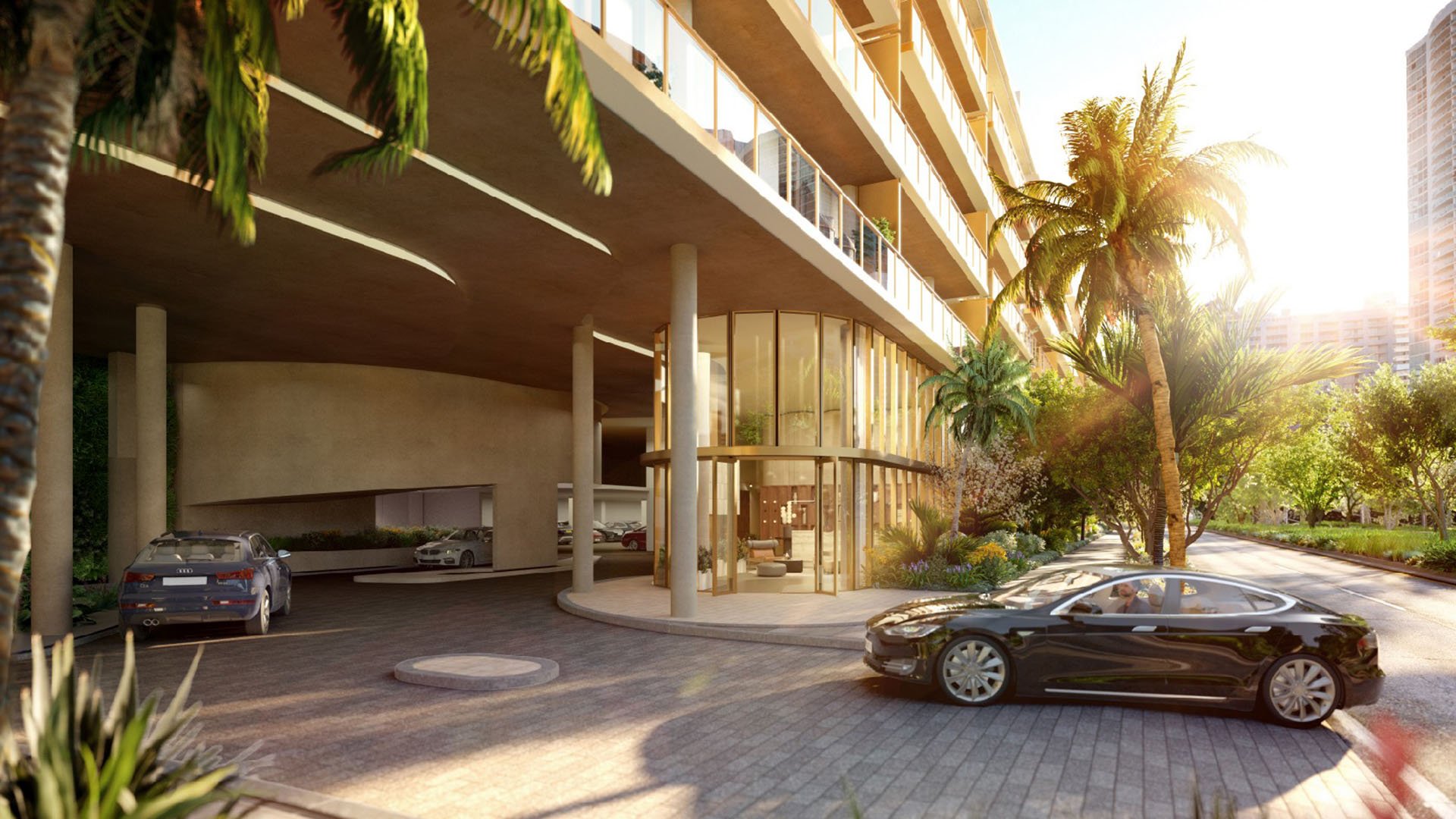
In Midtown Miami, the most reassuring residential security is rarely the loudest. For a luxury buyer, the question is not whether a building can project control, but whether it can maintain composure. The best experience feels choreographed, not staged: a calm arrival, an alert yet unintrusive front desk, clear guest handling, and a sequence of thresholds that protects privacy without turning daily life into a performance.
Theatrical security announces itself. It can make a lobby feel like a checkpoint, heighten tension for residents and guests, and sometimes distract from weaker fundamentals. Discreet security is different. It is layered, predictable and service-led. It lets a resident move naturally from curb to elevator to residence while the building quietly verifies access, filters visitors and responds to irregular situations.
When touring a Midtown-focused address such as Miami Design Residences Midtown Miami, buyers should look beyond finishes and amenity photography. Watch how the building receives people. Notice whether staff recognize patterns, whether visitors understand where to go, and whether the experience remains calm during both polished presentations and ordinary moments.
Security begins before the lobby. A buyer should evaluate how a resident arrives by car, rideshare, foot, bicycle or service entrance. The key is not drama. It is clarity. A well-considered arrival directs each person without broadcasting private routines to everyone nearby.
During a showing, slow down at the curb. Is there a natural separation between residents, guests, deliveries and vendors? Does the entry feel exposed or quietly buffered? Can a resident step from vehicle to building without unnecessary lingering? A grand entrance can be beautiful, but beauty should never compromise the privacy of who is coming and going.
If the property includes parking, ask how access is controlled, how guests are routed, and how lost credentials are handled. If valet or attended arrival is part of the lifestyle, the real test is consistency. The experience should feel gracious at peak hours, late evenings and routine weekdays, not only during a sales appointment.
A lobby can be elegant and still reveal operational weakness. Buyers should observe sightlines, desk placement and how staff interact with residents. A discreet lobby does not need to feel guarded, but it should feel aware. The front desk should be able to see movement, receive guests, coordinate packages and communicate with building personnel without creating public theater.
The best question to ask is simple: what happens when something is slightly unusual? A guest arrives without being pre-cleared. A delivery comes after hours. A vendor says they are expected but lacks details. The answer should not depend on improvisation. It should follow a documented protocol that staff can explain with confidence.
Compare this feeling across neighborhoods. A buyer considering Midtown may also tour nearby Edgewater options such as EDITION Edgewater, or a Brickell address like 2200 Brickell, to understand how different buildings balance service, density, privacy and arrival rituals. The point is not to rank districts broadly, but to sharpen your own threshold for comfort.
Security should not be evaluated by mood alone. Before purchasing, ask to review the building’s resident-facing rules and relevant procedures. These may address guest registration, elevator access, package handling, move-ins, contractors, short visits, overnight guests, amenity access and emergency communications.
A polished sales narrative can sound reassuring, but written protocols reveal culture. Are rules specific enough to be enforced? Are they too rigid for the lifestyle you expect? Do they protect privacy without making normal hosting difficult? A buyer who entertains frequently, travels often or employs household staff needs more than a beautiful lobby. They need a building whose policies match their life.
For new-construction buyers, the challenge is slightly different. A building may not yet have a fully seasoned rhythm. In that case, ask how security policies will be finalized, who will train staff, how access systems will be administered, and how residents will be notified if procedures change. The promise matters, but governance will shape the lived experience.
The most refined security often comes from hospitality discipline. Staff should be warm enough to welcome, attentive enough to notice, and restrained enough to protect discretion. Buyers should ask how the building trains front desk, valet, concierge and security personnel to handle privacy-sensitive moments.
Ask practical questions without turning the tour into an interrogation. How are frequent guests recognized? How are unknown visitors handled? What is the process for approving contractors? How does the building respond if a resident asks for added privacy during a high-profile visit? How are complaints about access or noise escalated?
The answer should feel rehearsed in the best sense: prepared, not robotic. If the response is vague, the building may be relying too much on personality and not enough on process. In a luxury residence, the human layer is essential, but it must be supported by systems.
Discreet security is often most visible in what residents do not have to think about. Elevator access should feel intuitive. Amenity access should distinguish residents from guests without embarrassment. Service movement should be organized so vendors and deliveries do not blur into private residential areas.
During a second visit, ask to understand the path from lobby to residence, lobby to amenities, garage to elevator, and service area to loading access. These routes reveal how much thought has been given to daily life. A glamorous amenity deck loses some of its appeal if access feels uncontrolled or if guests wander without guidance.
Buyers comparing Midtown with Wynwood, Downtown or other Miami districts may find that personal comfort depends less on the map and more on the building’s choreography. A residence such as Miami Tropic Residences may invite a different set of questions than a tower in a denser financial setting, but the underlying evaluation remains the same: access, discretion, consistency and governance.
Security technology can be valuable, but it should not be treated as a luxury feature on its own. Cameras, fobs, mobile credentials, license-plate systems, intercoms and elevator controls matter only if they are administered well. The buyer’s question is not, “What technology exists?” It is, “Who manages it, how is it updated, and what happens when it fails?”
Ask about credential replacement, visitor permissions, device access for household members, and procedures during outages. If a building uses app-based access, consider whether that suits every member of your household. If privacy is a priority, ask how permissions are limited and who can view access information.
The discreet ideal is technology that supports the resident without calling attention to itself. A door opens because the system recognizes authorization. A visitor is expected because the process was clear. A delivery is resolved without the resident receiving a stream of unnecessary interruptions.
Before purchasing in Midtown Miami, define what security should feel like for you. Some buyers want a highly attended environment. Others prefer a softer residential tone with fewer visible layers. Neither preference is inherently superior. The correct answer is the one that matches your household, schedule, guests and privacy expectations.
The final walk-through should feel ordinary on purpose. Arrive at a non-ceremonial time. Watch the door. Notice staff posture. Ask about exceptions. Listen for precision. The right building will not need to perform security for you. It will show, quietly and consistently, that someone has already thought through the details.
What does discreet security mean in a luxury condo? It means access control, staffing and guest procedures operate smoothly without making the property feel like a public checkpoint.
Is visible security always a negative sign? No. Visible personnel can be appropriate, but the overall experience should feel composed, proportional and well managed.
What should I observe during a Midtown Miami showing? Watch the arrival sequence, lobby awareness, elevator access, guest handling and how staff respond to ordinary interruptions.
Should I ask for security protocols before making an offer? Yes. Written policies help confirm whether the building’s privacy standards match your lifestyle and expectations.
How important is concierge training? Very important. A gracious, well-trained team often determines whether security feels discreet or awkward in daily life.
What should frequent travelers ask about? Ask how guests, deliveries, household staff and long absences are handled when you are away from the residence.
Can technology replace attentive staffing? No. Technology supports access control, but staff judgment and consistent procedures remain essential in luxury buildings.
How should buyers evaluate amenities from a security perspective? Confirm who can access amenity areas, how guests are approved, and whether circulation feels intuitive and controlled.
Is Midtown Miami different from Brickell or Edgewater for this decision? The right comparison is building by building, since comfort depends on arrival design, staffing culture and access policies.
What is the best way to shortlist comparable options for touring? Start with location fit, delivery status, and daily lifestyle priorities, then compare stacks and elevations to validate views and privacy.
To compare the best-fit options with clarity, connect with MILLION.
If branded residences are on your mind — as a home or as an allocation — we would be glad to share what we are seeing, privately.
Begin a quiet conversation