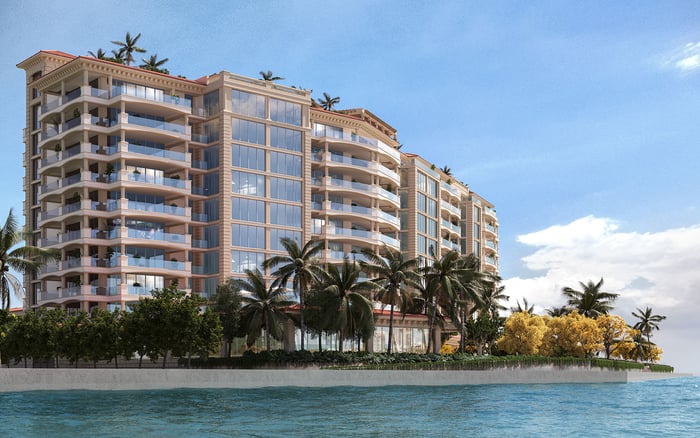
On Fisher Island, the purchase price is only the opening figure. A disciplined review should separate cash to close, one-time membership or association charges, and recurring carrying costs before two residences are treated as financially comparable.
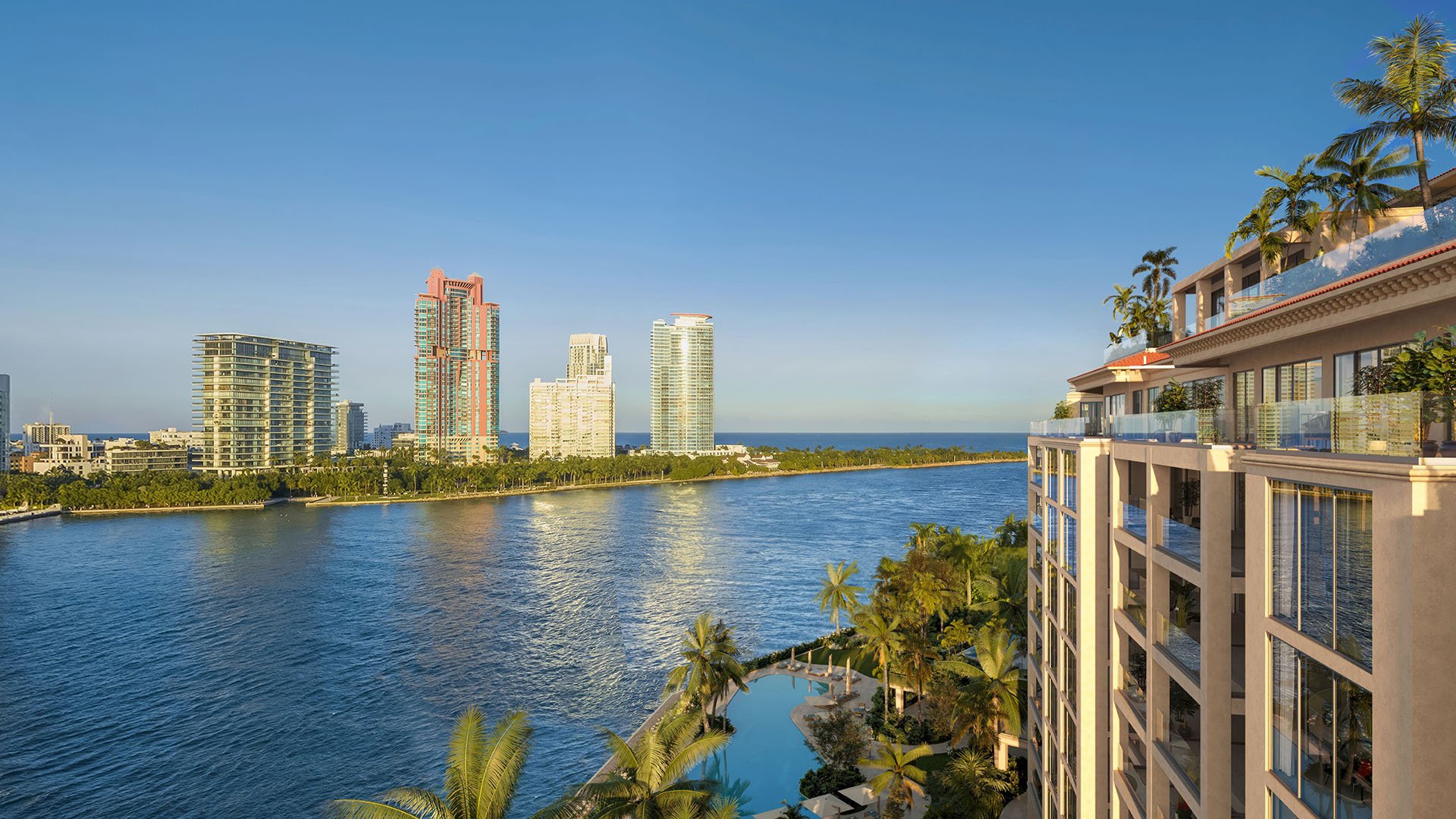
Fisher Island occupies a rare position in South Florida real estate, pairing private-island access with a layered ownership structure. That distinction makes financial diligence especially important. Beyond the negotiated price, a buyer may encounter conventional closing expenses, title and settlement charges, club obligations, building-level condominium fees, master-community assessments, and property-specific transfer costs.
This is not simply an accounting exercise. For an investment or second-home purchase, the timing and recurrence of each obligation can materially influence liquidity, annual carrying costs, and the relative appeal of one residence over another. Buyers should approach Fisher Island as both a lifestyle acquisition and a balance-sheet commitment.
The clearest analysis separates expenses into three categories. The first is immediate cash to close, including settlement charges, applicable taxes, recording fees, lender costs, prepaid expenses, and escrow deposits. The second comprises one-time club or association charges. The third is the recurring annual ledger, which can include club dues, condo fees, master assessments, taxes, insurance, utilities, and services.
This framework is useful when considering established condominiums such as Palazzo del Sol or Palazzo della Luna. The relevant question is not merely what the residence costs today, but what must be funded at closing and sustained each year thereafter.
On a financed Florida purchase, buyer closing costs commonly fall near 2% to 5% of the purchase price, excluding the down payment. At Fisher Island values, even a seemingly modest percentage produces a substantial absolute figure. Typical components include lender fees, title and settlement charges, title insurance, recording fees, prepaid expenses, and escrow funding.
Financing can add Florida documentary stamp tax of $0.35 per $100 of the mortgage amount and a nonrecurring intangible tax of $2 per $1,000 of that amount. Miami-Dade transfer taxes can include deed documentary stamps of $0.60 per $100 of consideration, plus a $0.45-per-$100 surtax for transfers other than single-family residences. Contract terms determine who bears particular charges, so customary practice should never replace a written allocation.
For planning purposes, one ownership scenario places the one-time club, title, transfer, and closing expenses for a $10 million Fisher Island acquisition at roughly $650,000 to $750,000 beyond the purchase price. It is an illustration, not a substitute for a transaction-specific estimate.
Title insurance and related settlement costs can shift meaningfully with purchase price and contract structure. Buyers should obtain a preliminary title-company estimate early, then reconcile it with the proposed closing statement as the transaction advances.
The contract should state clearly which party pays title insurance and transfer taxes. International and out-of-state purchasers benefit from completing this work before positioning funds for closing. For estate-style options such as The Links Estates at Fisher Island, the same principle applies: model the exact asset and transaction rather than importing assumptions from a condominium purchase.
Fisher Island ownership can involve several distinct entities. Building-level condo fees and Fisher Island Community Association master assessments are separate recurring obligations. Club membership may add an initiation payment and annual dues, while some condominium associations may require a one-time capital contribution or transfer fee from a new owner.
Planning estimates for club initiation have ranged from $250,000 to $350,000, while annual club dues have been placed between $19,260 and $25,520. These figures can change by date or membership category and require direct confirmation. HOA dues have ranged from approximately $3,000 to more than $12,000 per month, depending on the building and residence size.
One earlier cost illustration used average HOA fees of $1.15 per square foot plus a flat $2,800 monthly master-association fee. It remains instructive only as an example of how separate layers can compound. A buyer evaluating The Residences at Six Fisher Island should rely on current governing documents, budgets, estoppels, and applicable membership rules rather than generalized island-wide figures.
Two similarly priced residences can produce materially different annual obligations because building fees vary with property size and association structure. Across different property tiers, annual Fisher Island ownership costs can range from about $215,000 to nearly $1 million after accounting for taxes, insurance, dues, utilities, and services.
For waterfront buyers, this is where pricing and trends analysis becomes more nuanced. Price per square foot cannot reveal the full ownership burden. A stronger comparison places acquisition cost, immediate cash requirements, one-time entry charges, regular assessments, known special assessments, and reserves side by side.
Ask for the condominium declaration, current budget, recent financial statements, applicable reserve information, meeting minutes, pending or approved special assessments, fee schedules, association estoppel, club rules, and a draft settlement estimate. Recent closing statements for comparable units can help reveal building-specific transfer charges, although each contract must still be evaluated independently.
The final model should show the first-year cash requirement and a normalized annual carrying figure. It should also distinguish confirmed charges from estimates. That discipline preserves optionality and makes the ownership decision as considered as the property itself.
How much should a financed buyer budget for Florida closing costs? A planning range is about 2% to 5% of the purchase price, excluding the down payment.
What commonly appears in buyer closing costs? Lender fees, title and settlement charges, title insurance, recording fees, prepaids, and escrow deposits may apply.
Are title insurance and transfer taxes always paid by the same party? No. The purchase contract should expressly allocate these costs rather than rely on assumptions.
What mortgage taxes can apply in Florida? Documentary stamps of $0.35 per $100 and a nonrecurring intangible tax of $2 per $1,000 of the mortgage amount can apply.
Are condo fees and master-community assessments the same charge? No. They are separate recurring obligations governed by different entities.
Is Fisher Island Club initiation included in the purchase price? Buyers should treat membership costs separately and confirm current requirements directly before closing.
Can a building charge a new-owner contribution? Yes. Some associations require a one-time capital contribution or transfer fee.
Why can similarly priced residences carry different annual costs? Building fees can vary by association and residence size, while other obligations may also differ.
What should buyers review regarding special assessments? Examine meeting minutes, budgets, reserve information, and all pending or approved assessments separately from regular dues.
What is the most useful ownership comparison? Compare immediate cash to close, one-time entry charges, and normalized recurring annual costs.
When you're ready to tour or underwrite the options, connect with MILLION.
If branded residences are on your mind — as a home or as an allocation — we would be glad to share what we are seeing, privately.
Begin a quiet conversation