Oceanfront ownership in Surfside does not automatically include dockage. Buyers should establish the legal basis of any marina access, test an off-site slip contract for transferability, and verify the vessel’s complete route to open water before closing.
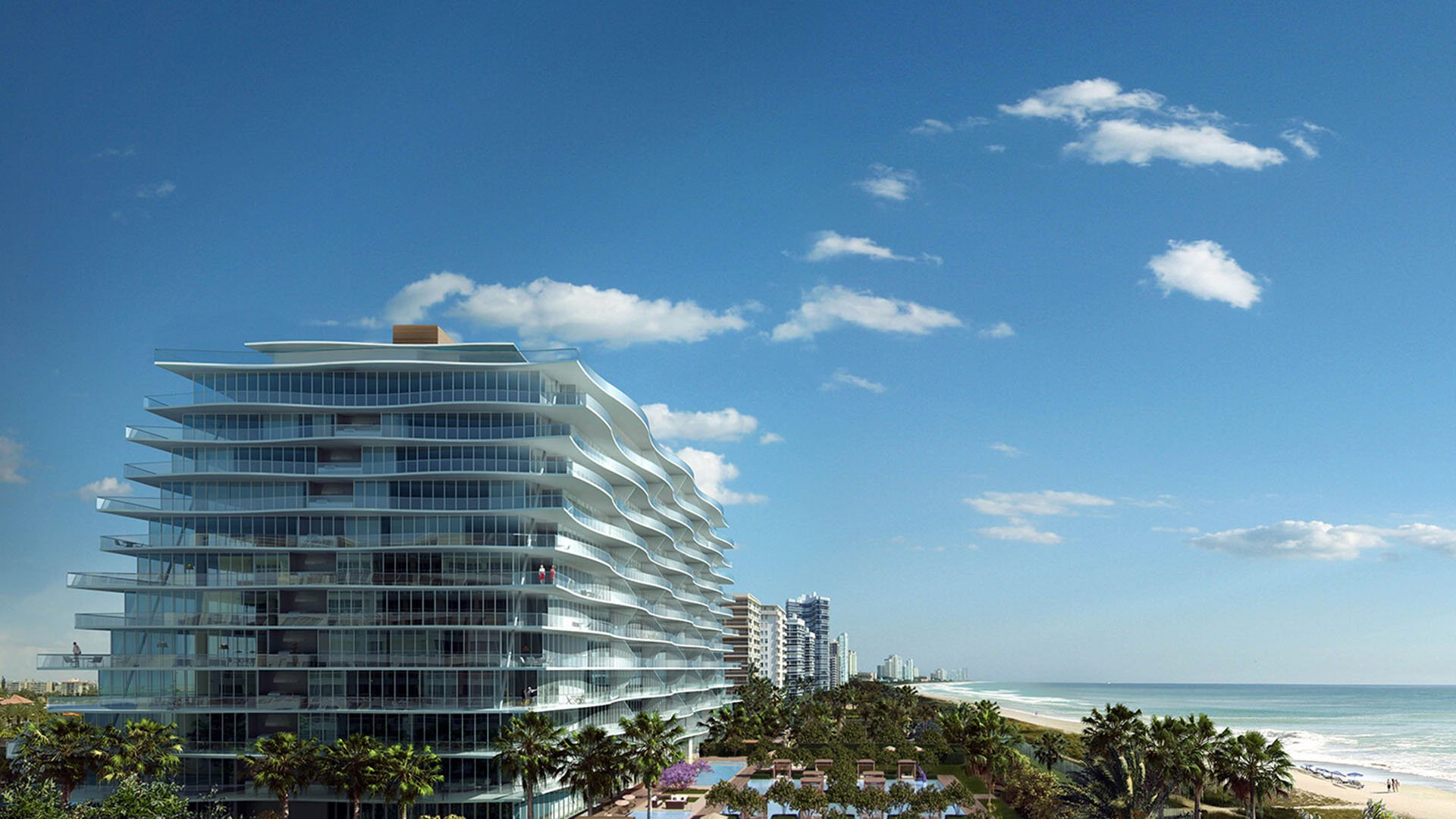
For a yacht owner, a Surfside residence and a workable boating plan are two separate acquisitions. Fendi Château Residences Surfside is a 12-story oceanfront condominium, but no on-site marina, deeded slips, fuel service, or dedicated yacht facilities are documented. Nor are private slips or an integrated marina documented for Ocean House Surfside.
The implication is precise: buyers should evaluate both properties first as luxury beach residences unless signed transaction documents independently establish enforceable boating rights. Oceanfront proximity may enhance the residential experience, but it does not create a legal or practical connection between a condominium and a berth.
A water view, a marina right, and a navigable route are three distinct assets.
This distinction should shape negotiations from the outset. If boating is essential rather than incidental, compatible dockage and a viable passage to open water should be confirmed before the residence closes-not treated as a logistical detail to solve afterward.
The phrase “marina access” can describe materially different arrangements. A buyer should request from the seller and association any recorded slip deed, limited-common-element designation, marina easement, priority agreement, or transferable license. Marketing language, a listing representation, or informal access is no substitute for the governing instrument.
Counsel should determine whether the asserted right runs with the residence, belongs personally to the current owner, depends on ownership of a particular vessel, or remains subject to another party’s approval. The review should also identify fees, use restrictions, insurance obligations, termination provisions, and any association authority to alter the arrangement.
If no recorded condominium document creates the right, require a separate executed agreement before assigning value to dockage. Any promise of priority or availability should be in writing, with the relevant berth, vessel parameters, approval conditions, effective term, and remedies clearly stated. The closing file should answer three questions: who grants the right, what exactly is granted, and whether it survives the sale.
This is the central lesson of marina due diligence and an essential part of MILLION Buyer's Guides: amenities are valuable only when their legal and operational terms match the buyer’s intended use.
When the berth is off-site, transferability is generally controlled by the third-party marina or dock contract-not the condominium conveyance. The residence can transfer while the slip does not. Buyers should obtain written confirmation directly from the marina that an existing agreement may be assigned or that a new agreement will take effect at closing.
The contract may be an annual lease, a month-to-month license, a membership, or another form of occupancy. Each structure carries distinct renewal, cancellation, approval, and pricing exposure. Confirm whether assignment requires consent, whether a waitlist applies, and whether the berth remains available if the residence or vessel is sold.
Operational terms matter just as much. Review maximum length, beam, draft, and air-draft limits, along with rules governing live-aboard use, charter activity, guests, contractors, fueling, and storage. Hurricane procedures deserve particular attention: who must move the boat, when relocation is required, where haul-out may occur, and what happens if the owner cannot comply.
A proper boat-slip review should also cover parking, valet coordination, gear transfer, tender use, security, insurance, and termination rights. These details determine whether an apparently nearby berth functions elegantly in daily life. Buyers comparing bay-oriented alternatives such as Onda Bay Harbor should apply the same document-first discipline rather than infer rights from the setting or project name.
A suitable slip is only half of the boating equation. Before closing, plot the complete route from the proposed berth to open water and identify every fixed and movable bridge. Checking only the nearest inlet can conceal a low structure earlier in the route.
Bakers Haulover Inlet Bridge is fixed, with published vertical clearance of 32 feet and horizontal clearance of 125 feet. A vessel whose highest fixed point exceeds approximately 32 feet cannot rely on passage beneath it. Even for a yacht nominally below that figure, a prudent calculation includes a safety margin because water level and weather can reduce the available space during a particular transit.
Interior waterways demand additional care. A fixed bridge at Surfside has a 40-foot span and 12-foot vertical clearance. Fixed bridges south of Allison Island crossing Indian Creek also restrict the channel to a minimum vertical clearance of 12 feet. Several low fixed and bascule structures in the surrounding waterways can make interior dock routes unsuitable for taller flybridge, tower-equipped, or enclosed-bridge vessels.
The same route-first analysis applies when considering other Miami Beach residences, including The Ritz-Carlton Residences® Miami Beach. The objective is not simply to locate water nearby. It is to prove that the owner’s actual yacht can travel between berth and ocean under realistic operating conditions.
Bridge clearance should be compared with the vessel’s air draft at its highest non-removable point. That measurement may include antennas, arches, towers, outriggers, radar equipment, or an enclosed flybridge. Equipment that can be lowered should be documented separately, together with the crew procedure and resulting reduced profile.
Published figures commonly refer to a charted water-level datum, often mean high water. They are navigational values, not a guarantee of passage for every yacht on every day. Tide, wind, weather, loading, and local conditions can alter the practical margin. Horizontal clearance also matters when current, traffic, beam, or limited maneuvering room complicates transit.
Review official nautical charts, current bridge information, navigation references, and satellite imagery. Where practical, have an experienced captain run the proposed route and document the controlling bridge, expected transit window, fallback route, and minimum safety margin. The analysis should use the yacht’s normal operating configuration-not an optimistic measurement taken after removing equipment the owner expects to keep in place.
For a boating-led purchase, the cleanest strategy is to coordinate the residence contract, marina agreement, vessel acceptance, and route verification. Appropriate contingencies can give the buyer time to inspect governing documents, obtain marina approval, confirm berth dimensions, and validate bridge passage before becoming unconditionally committed.
The final decision should rest on three independent conclusions: the buyer possesses an enforceable right to use the berth, that right can transfer or commence as intended, and the vessel can reach open water with a conservative clearance margin. If any one element fails, the residence may remain highly desirable, but it does not yet satisfy the boating brief.
For discreet guidance on aligning a South Florida residence with a serious yachting program, connect with MILLION.
If branded residences are on your mind — as a home or as an allocation — we would be glad to share what we are seeing, privately.
Begin a quiet conversationPublic project information does not document an on-site marina or deeded slips. A buyer should require recorded condominium documents or a separate executed agreement before assigning value to dockage.
The available project information does not verify on-site private slips or an integrated marina. Its oceanfront location should not be treated as evidence of boating rights.
Not automatically. Transferability depends on the third-party marina or dock contract and may require marina approval.
Relevant documents may include a recorded slip deed, limited-common-element designation, marina easement, priority agreement, transferable license, or separate executed marina contract.
Review the term, renewal, assignment, approval, waitlist, fees, vessel limits, termination rights, storm procedures, and whether the arrangement survives a residence or vessel sale.
The fixed bridge has published vertical clearance of 32 feet and horizontal clearance of 125 feet. Actual operating margin can be smaller as water levels change.
The complete route may include low fixed bridges or other restrictions. Interior routes include reported vertical clearances as low as 12 feet.
Measure to the highest non-removable point in normal operating configuration, including antennas, arches, towers, outriggers, and enclosed flybridges.
No. Published values are navigational references, while tide, weather, loading, and local conditions can reduce practical clearance.
Confirm an enforceable dockage right, marina approval and transfer terms, berth compatibility, and a verified route to open water with a conservative safety margin.