Brand-backed operations are changing how affluent buyers evaluate South Florida condos, moving the shortlist beyond architecture toward service culture, governance, privacy, and long-term ease of ownership.
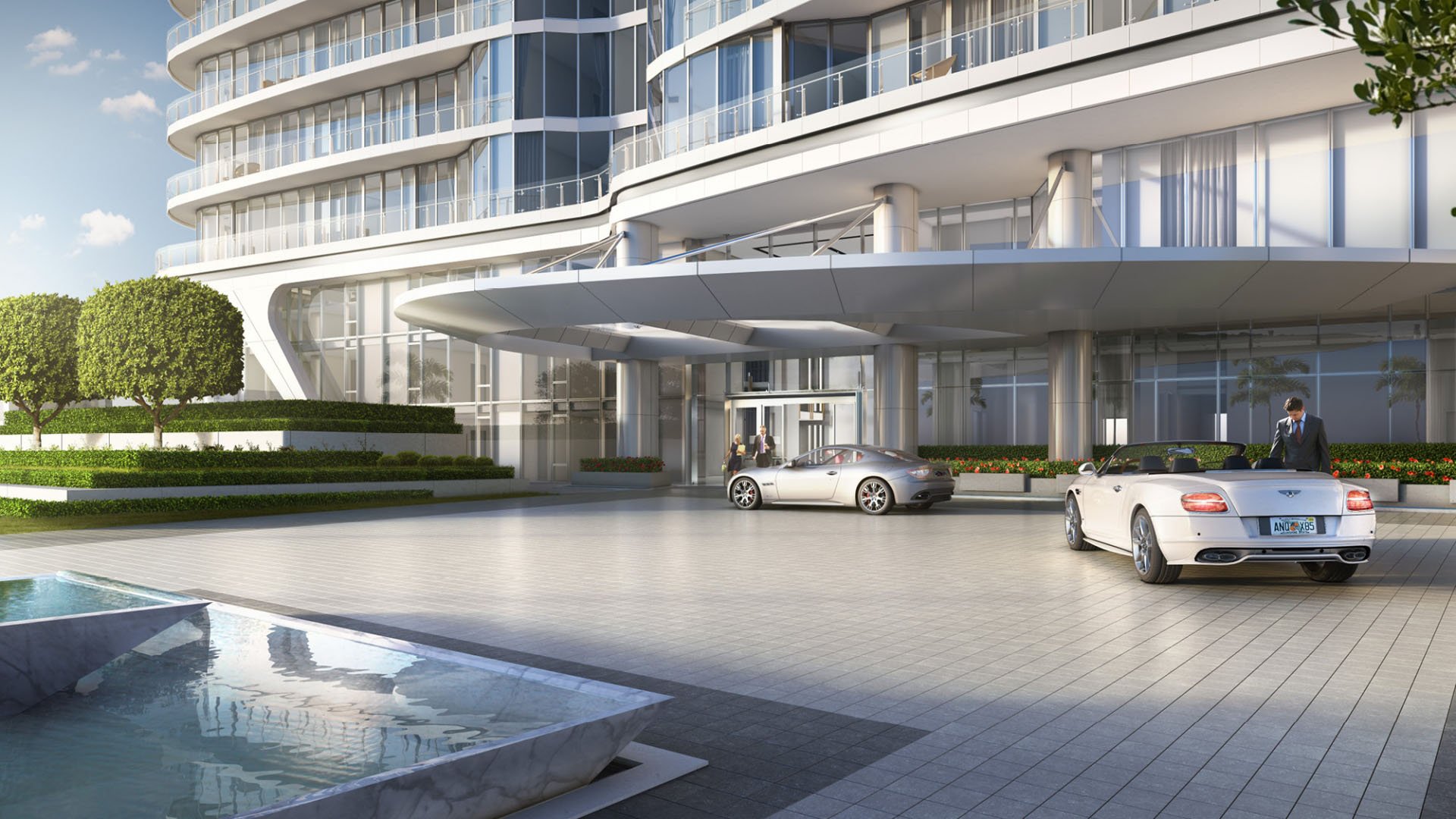
For years, the South Florida condominium shortlist was built around views, floor height, square footage, arrival sequence, and the emotional pull of a lobby. Those still matter. Yet for buyers comparing Miami, Fort Lauderdale, and Palm Beach, the more decisive question is increasingly operational: who is actually running the experience after closing?
Brand-backed residences have sharpened that question. A recognized hospitality, fashion, wellness, automotive, or design name can bring more than cachet. It can suggest a service philosophy, a visual standard, a maintenance rhythm, and a clear expectation for how residents are greeted, protected, hosted, and supported. The discerning buyer is no longer asking only whether a building is beautiful. The buyer is asking whether it will feel composed on a full holiday weekend, after a storm, during a dinner party, through staff changes, and ten years into ownership.
That shift changes the shortlist. It narrows attention from the broad category of luxury condo to the smaller universe of buildings with a credible operating identity. In a market where finishes can be imitated and amenities can be matched, consistent execution becomes the quieter differentiator.
A brand-backed residence is not automatically better because a name appears on the facade, brochure, or concierge desk. The substance lives in the operating agreement, service standards, staffing model, owner privileges, maintenance philosophy, and governance structure. The best examples translate a brand into repeatable daily behavior. The weaker ones use branding as atmosphere without enough operational depth.
For a buyer, the distinction matters. A strong operating culture can influence how guests are received, how common areas are preserved, how quickly service requests are handled, how private the building feels, and how predictable ownership becomes. It may also shape the building’s etiquette: the difference between a residential sanctuary and a hospitality-adjacent scene.
This is why the phrase “amenity package” now feels incomplete. Pools, spas, dining rooms, screening rooms, fitness suites, and private lounges are only as persuasive as the people and protocols behind them. A magnificent room that is poorly programmed becomes a photograph. A smaller room operated with discretion, discipline, and care becomes a reason to stay.
Miami rewards buyers who want connectivity. The city offers a denser rhythm of culture, dining, finance, boating, art, and international travel patterns. Within that energy, brand-backed operations can serve as a filter. They help separate buildings designed merely to impress from those built to manage intensity.
In Brickell, the operating question is often about efficiency and vertical choreography. How does the building manage arrivals, elevators, valet patterns, deliveries, guests, pets, private transport, and owner privacy during peak hours? A branded operating platform can be valuable if it brings hotel-grade discipline without turning the residence into a hotel. The strongest urban condo experience feels seamless without feeling public.
Miami Beach presents a different test. The buyer may be weighing ocean proximity, resort sensibility, privacy, and seasonal use. Here, operations are judged by calm. How quietly can staff manage beach service, wellness access, guest arrivals, housekeeping coordination, and owner preferences? In Miami Beach, brand value is most convincing when it softens the logistics of a high-demand lifestyle rather than amplifying the spectacle around it.
For Miami buyers, the shortlist should not simply include the most recognizable names. It should include the buildings whose operational personality matches the owner’s life. A global traveler, a family with staff, a collector, a boat owner, and a seasonal resident may all define “service” differently.
Fort Lauderdale has a distinct buyer psychology. It often appeals to those who want a more residential cadence, strong boating culture, and proximity to the water without the same urban density found in Miami. Brand-backed operations here can be especially compelling when they make waterfront living easier.
The operational due diligence should focus on marine-adjacent details as much as interiors. How are arrivals managed for owners coming from the water? How does the building support privacy when guests, service providers, and deliveries circulate through the property? Is the hospitality approach discreet enough for full-time residents, or does it lean too heavily toward resort theater?
In Fort Lauderdale, the best brand-backed proposition is not necessarily the loudest. It is the one that respects the city’s quieter sense of luxury: less about being seen, more about being known by staff in the correct way. For buyers moving from single-family waterfront homes into condos, the operating culture must replace personal control with institutional confidence. That is a high bar.
Palm Beach buyers tend to evaluate service through a lens of privacy and restraint. The residence must be polished, but not performative. Staff should anticipate without intruding. Amenities should be available without feeling crowded. The building should protect the owner’s rhythm rather than impose one.
Brand-backed operations can either align beautifully with this expectation or miss it completely. A brand known for ceremony may appeal to some buyers, while others may prefer a quieter service model with fewer visible gestures. The key is not whether the brand is prestigious in the abstract. The key is whether its operating behavior is compatible with the social language of Palm Beach living.
For this market, the buyer’s shortlist should give special weight to governance, discretion, access control, resident density, staff continuity, and long-term maintenance standards. A building that is immaculate on opening day must have the discipline to remain so over many seasons.
The most productive tours now sound less like design walkthroughs and more like owner interviews. Buyers should ask how the residence handles peak-season volume, storm preparation, staff training, vendor access, private events, guest protocols, and maintenance reserves. They should ask what services are included, what is à la carte, and which privileges are aspirational rather than guaranteed.
New construction deserves particular care because the completed lifestyle may be easier to imagine than to verify. Renderings communicate mood. Operations are proven through documents, leadership, staffing, budgets, and enforceable standards. A buyer considering a second home should be especially attentive to remote ownership: package handling, access for approved vendors, housekeeping coordination, climate monitoring, vehicle management, and communication procedures.
The right question is not “What does the brand promise?” It is “How does this building make the promise durable?” That answer should be visible in policies, personnel, and budgetary realism.
A well-operated branded residence may help preserve buyer confidence because it offers an identifiable standard. Future purchasers can understand the proposition quickly: this is not only a location and a floor plan, but a managed way of living. That clarity can matter in a region with many luxury options competing for attention.
Still, brand alone is not a resale strategy. If monthly costs feel misaligned, if service is inconsistent, if the property becomes too transient, or if governance disappoints owners, the name loses power. Buyers should think of the brand as a multiplier. It can enhance a strong building, but it cannot rescue weak fundamentals.
The most resilient shortlist balances emotion with discipline. It includes buildings with compelling architecture, appropriate location, thoughtful floor plans, strong privacy, realistic operations, and an owner culture that matches the buyer’s expectations. In that context, brand-backed operations become a serious lens rather than a decorative flourish.
Begin by defining the life the residence must support. Is the property a primary home, seasonal retreat, lock-and-leave pied-à-terre, family base, or entertaining platform? Then evaluate each city by how naturally it supports that use. Miami offers velocity and access. Fort Lauderdale offers a refined waterfront cadence. Palm Beach offers privacy and social restraint.
Next, evaluate the brand as an operator, not as an emblem. Ask whether its service vocabulary fits the building’s residents. Ask whether the staffing model feels generous enough for the promises being made. Ask whether the building’s rules protect the owner experience or dilute it.
Finally, compare total ownership experience. Buyers often begin with shorthand labels: Miami Beach for lifestyle, Fort Lauderdale for marine ease, Palm Beach for discretion, Brickell for urban service, new construction for control, and second home for seasonal flexibility. The sophisticated shortlist turns those labels into operating requirements.
Why do brand-backed operations matter in a luxury condo? They influence daily service, privacy, maintenance, guest handling, and the consistency of the owner experience.
Is a branded residence always better than a non-branded building? No. The brand is only valuable when supported by strong governance, staffing, budgets, and enforceable standards.
What should Miami buyers prioritize? Miami buyers should look closely at arrival flow, elevator efficiency, privacy, amenity programming, and service under peak demand.
What should Fort Lauderdale buyers prioritize? They should focus on waterfront logistics, discreet service, vendor access, guest management, and a residential rather than theatrical tone.
What should Palm Beach buyers prioritize? Privacy, restraint, staff continuity, access control, and long-term upkeep should sit at the center of the evaluation.
How should buyers evaluate new construction operations? They should review documents, service plans, staffing assumptions, fees, and what is included versus optional.
Can brand-backed operations help resale? They can support buyer confidence when the building delivers a clear, consistent, and well-managed lifestyle.
What is the biggest risk with branded condos? The main risk is paying for a name without receiving the operational depth needed to justify it.
Should second-home buyers weigh operations more heavily? Yes. Remote ownership depends on reliable communication, access procedures, maintenance oversight, and trusted staff.
What is the best way to compare Miami, Fort Lauderdale, and Palm Beach? Compare the lifestyle first, then test whether each building’s operating model truly supports that lifestyle.
For a discreet conversation and a curated building-by-building shortlist, connect with MILLION.
If branded residences are on your mind — as a home or as an allocation — we would be glad to share what we are seeing, privately.
Begin a quiet conversation