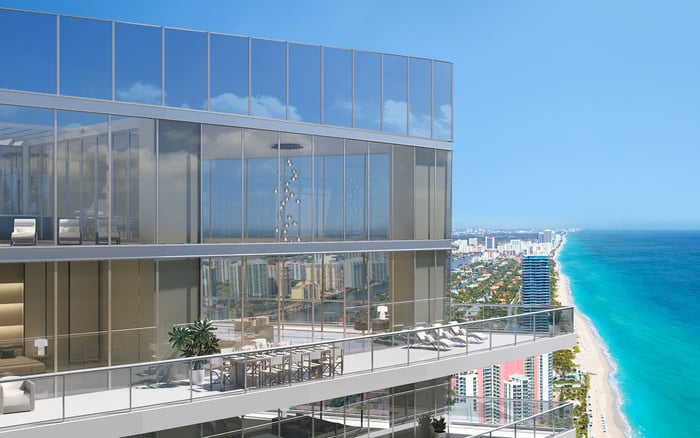
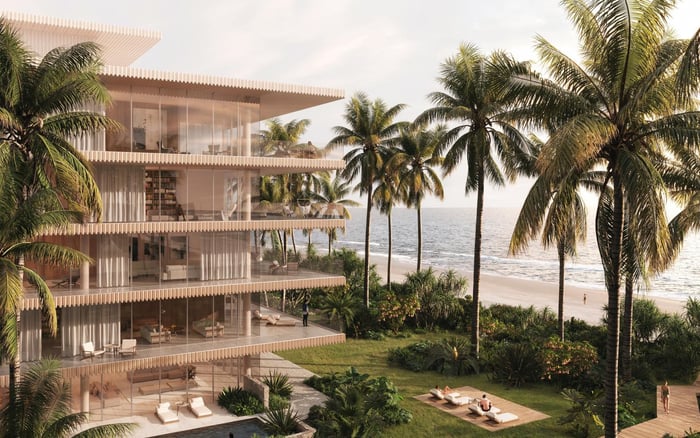
A buyer-focused look at why balconies and terraces should be evaluated as capital systems in South Florida bayfront real estate, shaping reserves, assessments, financing, resale timing and long-term ownership risk.
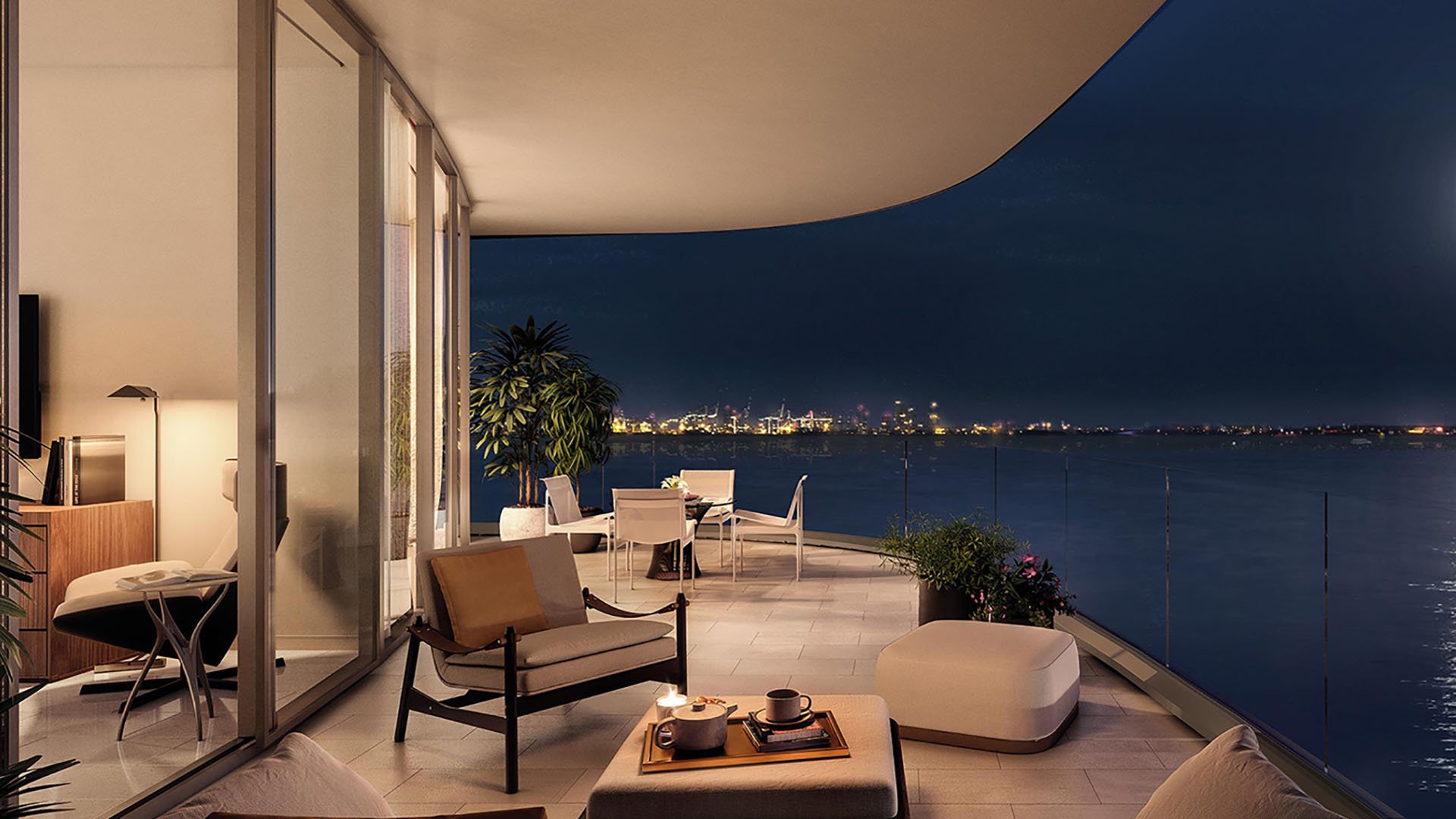
In South Florida luxury real estate, a balcony or terrace is often marketed as an emotional asset: morning light over Biscayne Bay, a private dinner above the Intracoastal, a glass rail between the owner and the horizon. For sophisticated buyers, however, that outdoor space is also a capital system. It has structure, waterproofing, drainage, railings, anchors, coatings and interfaces with doors and interior finishes. As those elements age in a coastal environment, the true cost of ownership can shift materially.
Salt, moisture and wind exposure accelerate deterioration along the waterfront. Chlorides can migrate into reinforced concrete and trigger corrosion of embedded steel. As reinforcing steel corrodes, it can expand, crack surrounding concrete and create spalling at slab edges. That is when a cosmetic chip becomes a structural, permitting and budgeting conversation.
This does not make bayfront living less desirable. It makes precision more valuable. In Brickell, outdoor space at residences such as Una Residences Brickell and St. Regis® Residences Brickell is part of the architectural promise. The buyer question is not simply how large the terrace is, but how it is built, maintained, reserved for and governed.
The maintenance cost of a waterfront terrace is rarely universal. Exposure, height, access, waterproofing assembly, railing type, drainage design, permitting requirements and whether replacement systems must meet current code can all alter the economics. A low terrace with straightforward access is a different maintenance problem than an elevated balcony wrapping a tower facade in a wind-driven salt environment.
Miami-Dade and Broward are treated as part of the High-Velocity Hurricane Zone under the Florida Building Code, raising the compliance stakes for exterior systems. Replacing railings, doors, anchors or other components may require approved systems rather than simple like-for-like substitutions. For an owner, the visible repair may be only one part of the cost. Design, testing, engineering review, access logistics and code-compliant assemblies can become part of the same capital event.
Waterproofing is equally consequential. A failed terrace membrane can allow water intrusion into interior finishes and create moisture conditions associated with mold risk. In a luxury residence, the cost is not only the membrane itself. It may include stone, millwork, thresholds, flooring, baseboards, wall finishes and temporary loss of use. The most discreetly maintained terraces often look effortless because the unglamorous systems beneath them have been funded on schedule.
For condominium and cooperative buildings, balcony and terrace costs are inseparable from governance. Florida law requires milestone structural inspections for condominium and cooperative buildings three stories or higher, generally at 30 years of age and every 10 years afterward. Local enforcement may require certain buildings to be inspected as early as 25 years when environmental conditions, including proximity to saltwater, justify earlier review.
A milestone inspection begins with a visual phase. If signs of substantial structural deterioration appear, the process can move into a second phase involving additional testing or evaluation. For buyers, balcony condition can influence more than aesthetics. It can affect the building's inspection trajectory, reserve planning, assessment risk and, in some cases, resale timing.
Associations subject to structural integrity reserve study requirements must plan for major components, including waterproofing, exterior painting, windows, exterior doors, floors, foundations, roofs and load-bearing elements. For applicable buildings, reserves for these items may not be waived or underfunded. That shifts some terrace and exterior-envelope rehabilitation from an occasional surprise into a recurring ownership cost.
Still, payment responsibility is document-specific. Florida condominium law generally places common-element maintenance with the association, but governing documents can allocate certain limited-common-element duties differently. Common expenses are funded through assessments, and some limited-common-element costs may be assessed only to the units that use them if the declaration allows that structure. A private balcony may feel personal, but the legal cost allocation can be far more nuanced.
Single-family bayfront homes carry a different profile. There is no association spreading the cost of terrace waterproofing, rail repairs, coating renewal, drainage correction or code-compliant replacement. The owner bears the full burden. For an estate buyer, this direct-control model can be attractive, but it demands a more complete capital plan.
The most important inspection points are often at the edges. Buyers should pay close attention to slab edges, hairline cracks, spalling, exposed or rust-stained steel, rail anchors, sealant joints, waterproofing membranes, drainage slopes and door thresholds. Prior concrete-repair permits, engineering reports, reserve studies and pending or discussed assessments deserve the same scrutiny as floor plans and finish schedules.
In Edgewater, residences such as Aria Reserve Miami place buyers close to open water and skyline views, making exterior performance part of the value equation. In Sunny Isles, where towers such as Bentley Residences Sunny Isles speak directly to a luxury oceanfront buyer, the same principle applies: balcony and terrace condition should be evaluated as infrastructure, not decoration.
New-construction buyers should also read beyond the renderings. A newly delivered terrace may reduce near-term concern, but it does not eliminate lifecycle cost. The relevant questions include what systems were specified, what warranties apply, how drainage is detailed, how maintenance access is handled and how the association will reserve for future work. A waterview can command a premium, but resale strength often belongs to buildings where maintenance is visible in the records, not merely invisible in the photographs.
Outdoor space is among the most persuasive features in South Florida. At The Perigon Miami Beach and other coastal residences, terraces are central to the daily experience of light, air and privacy. But when balcony problems become unresolved building issues, they can narrow the buyer pool.
Conventional condo financing can be affected when a project has significant deferred maintenance, unsafe conditions, failed inspections or special assessments tied to safety, structural integrity, soundness or habitability. Even cash buyers may use those issues to renegotiate, delay closing or walk away. In the upper market, liquidity is not only about price. It is about confidence.
The best buyers treat terrace maintenance as a quiet underwriting exercise. They ask whether reserves are adequate, whether assessment conversations are active, whether exterior components are nearing replacement and whether repairs would trigger code upgrades. They understand that the most expensive balcony is not always the largest one. It may be the one whose risk was ignored until timing, financing and construction logistics converged.
Why do bayfront balconies deteriorate faster in South Florida? Salt, moisture and wind exposure increase corrosion risk for metal connectors, fasteners, reinforcing steel, railings and other exterior components.
What is the main structural concern with concrete balconies? Chlorides can penetrate concrete and initiate corrosion of embedded steel. Corroding steel can crack and spall surrounding concrete.
Are balcony repairs always paid by the condo association? Not always. Governing documents may treat some balconies as limited common elements and allocate certain costs to the units that use them.
Can a terrace issue affect financing? Yes. Significant deferred maintenance, unsafe conditions, failed inspections or structural assessments can affect loan eligibility and buyer demand.
What is a milestone inspection? It is a structural inspection required for certain condominium and cooperative buildings to identify substantial structural deterioration.
When do milestone inspections usually begin? For qualifying buildings, they generally begin at 30 years and repeat every 10 years. Some buildings may be required earlier because of saltwater proximity.
Why does waterproofing matter so much? Failed waterproofing can let moisture reach interiors, damaging finishes and creating conditions associated with mold risk.
Are single-family bayfront terraces simpler financially? They can offer more direct control, but the owner bears the full cost of waterproofing, railings, coatings, drainage and code-compliant replacements.
What should buyers review before purchasing? Review slab edges, cracks, spalling, rail anchors, drainage, membranes, thresholds, repair permits, reserve studies and pending assessments.
Should buyers avoid older waterfront condo buildings? Not necessarily. The better question is whether inspections, reserves, repairs and governing documents show disciplined long-term maintenance.
When you're ready to tour or underwrite the options, connect with MILLION.
If branded residences are on your mind — as a home or as an allocation — we would be glad to share what we are seeing, privately.
Begin a quiet conversation