A buyer-focused look at how Miami’s art-season sensibility can influence luxury-home priorities in Bay Harbor Islands, from display walls and lighting to privacy, wellness and long-term livability.
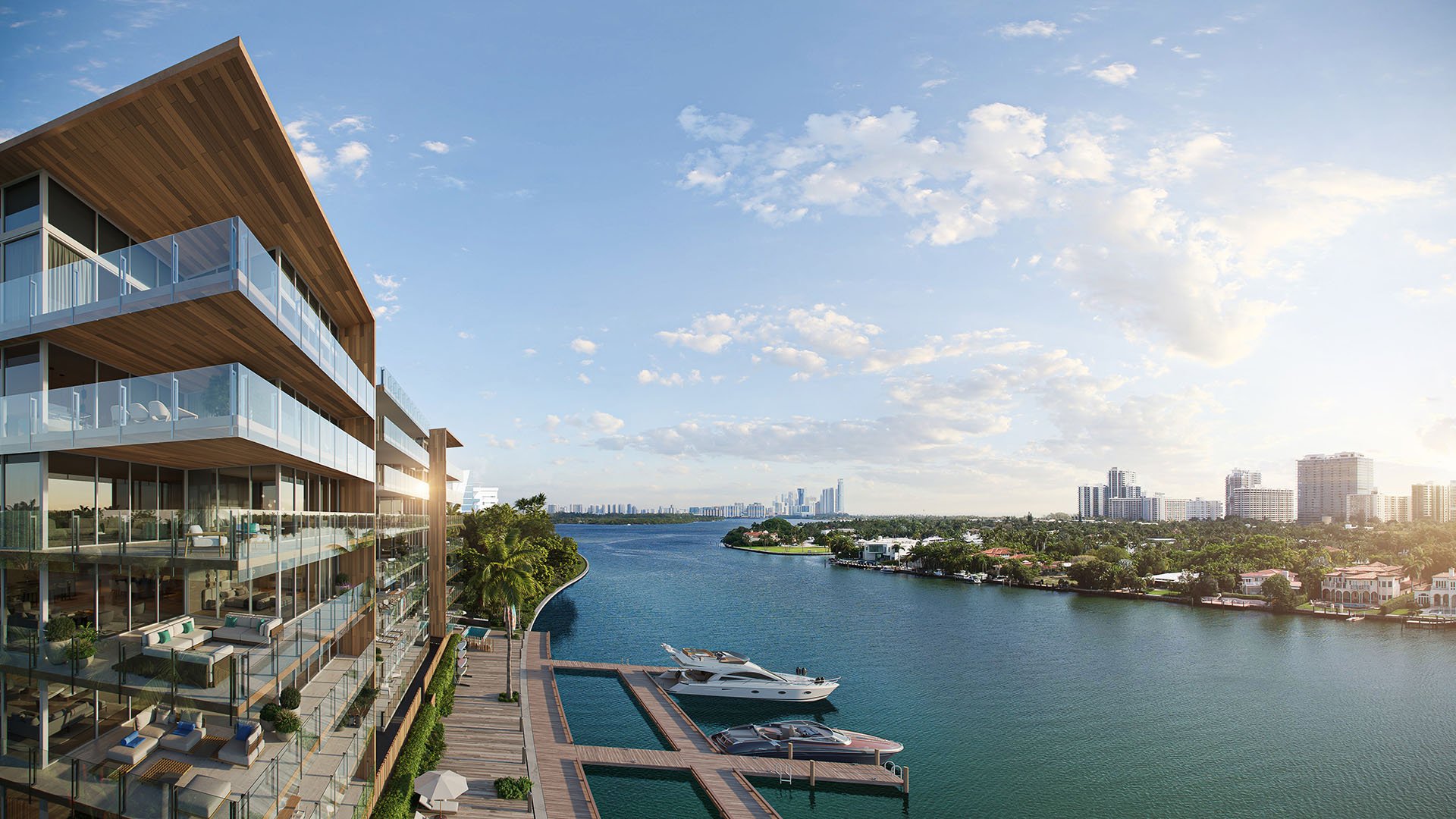
Art Basel Miami Beach is more than a cultural marker. For serious residential buyers, it can become a practical lens for evaluating how a home performs when taste, privacy, hospitality and daily ease all matter. In Bay Harbor Islands, where luxury often reads more quietly than in theatrical waterfront neighborhoods, the art-season mindset is especially useful.
The point is not to buy a home because it feels like a gallery. The better question is whether a residence can hold a collection, host a dinner, protect a retreat-like rhythm and remain visually composed after the event calendar fades. For Bay Harbor buyers, the Art Basel moment is best understood as a concentrated preview of how a home will function under heightened social, visual and logistical expectations.
The first priority is light. Collectors and design-conscious owners quickly learn that beautiful windows and livable display conditions are not always the same thing. A residence with generous daylight should also offer control: shaded exposures, thoughtful wall placement, layered evening lighting and enough visual calm for art, furniture and architecture to coexist.
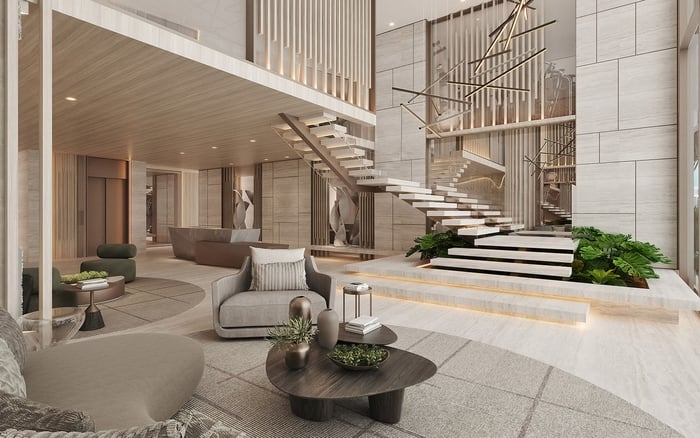
The second priority is proportion. Large rooms are not automatically elegant rooms. During a week when interiors are judged against museum-level installations, buyers become more attuned to ceiling height, corridor width, furniture walls, sightlines from the entry and the way a dining area transitions to a terrace. A well-composed Bay Harbor Islands residence should feel gracious without becoming performative.
The third priority is privacy. Art-week entertaining may involve guests, advisors, curators or friends, but the owner still needs separation between public and private life. Arrival sequences, elevator access, parking convenience, acoustic comfort and service flow can matter as much as finishes. A beautiful residence that cannot receive people discreetly may feel less luxurious over time.
Bay Harbor Islands has a particular advantage for buyers who value understatement. It offers proximity to the broader cultural energy of Miami Beach and the surrounding luxury corridor, while preserving a more residential cadence. That balance can appeal to owners who want access without exposure, architecture without noise and a home that supports both seasonal intensity and quiet mornings.
This is why project evaluation should move beyond amenities alone. A buyer comparing Onda Bay Harbor, La Maré Bay Harbor Islands and Bay Harbor Towers should ask how the residence will live after the first impression. Where does the art go? Can the living room carry both a sculpture and a conversation area? Does the terrace extend the room, or does it compete with it?
For some buyers, the answer may be a boutique-feeling environment. For others, it may be a more wellness-oriented daily structure, which makes The Well Bay Harbor Islands part of the same conversation about how culture, restoration and residential design can align. The strongest purchase is not the one with the loudest identity. It is the one whose identity matches the owner’s private rituals.
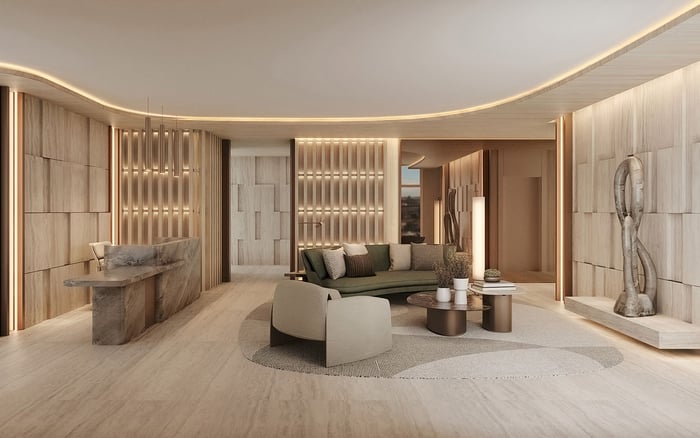
Start with walls. In a true collector-ready residence, wall space is not leftover space. It is planned, protected and lit with intention. Buyers should look for uninterrupted surfaces, logical focal points and rooms where art can be experienced from multiple angles. A dramatic window wall may sell a view, but a balanced room can support long-term livability.
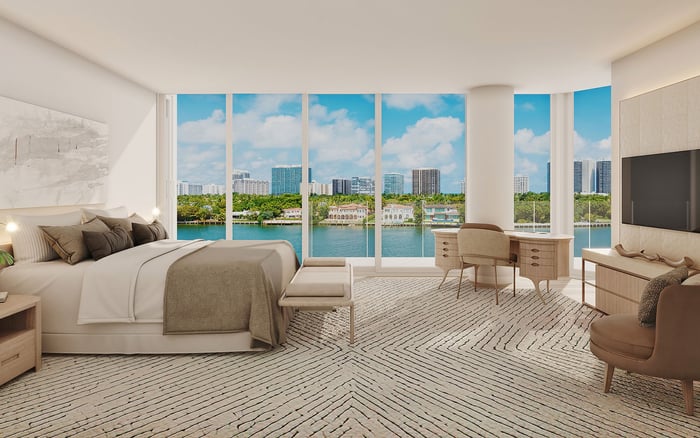
Next, study lighting. The most refined interiors rely on layers: ambient light for calm, task light for use and accent light for objects. During art season, buyers often become more aware of glare, reflections and uneven illumination. In Bay Harbor Islands, where water and sky can be part of the atmosphere, control matters. The ideal home lets the owner decide when the view leads and when the interior takes precedence.
Then consider entertaining. A luxury residence should allow hosting without turning private life into a production. The kitchen, bar, dining area, powder room and terrace should create intuitive movement. Guests should not cross bedroom corridors to reach social spaces. Staff or catering needs should be accommodated without interrupting the mood. These details rarely dominate marketing language, but they shape ownership.
Finally, evaluate storage and back-of-house function. Art crates, seasonal tableware, luggage, sporting equipment and wardrobe overflow all need real space. A residence can look serene only if it has the infrastructure to hide complexity. This is especially relevant for second-home owners who expect the property to feel ready, edited and effortless when they arrive.
Art Basel can heighten desire, but it should also discipline it. The week rewards novelty, yet the best homes reward restraint. In Bay Harbor Islands, the strongest luxury-home priorities are less about spectacle than alignment: calm architecture, intelligent layouts, privacy, controlled light, flexible entertaining and interiors that can evolve with a collection.
Buyers should be wary of spaces that look complete in only one decorative language. A refined home should be able to absorb new art, changing furniture and different modes of living. That adaptability is a quiet form of value. It allows a residence to remain personal rather than dated.
This is also where advisory perspective matters. A buyer moved by the cultural momentum of Miami should still proceed with a clear hierarchy: daily comfort first, collection needs second, entertaining third and resale discipline always present. When those priorities align, the result is not merely a beautiful residence. It is a home with cultural intelligence.
Should Art Basel influence a Bay Harbor Islands purchase? It can, if used as a lens for evaluating light, proportion, privacy and entertaining. It should not replace disciplined due diligence.
What is the most important design feature for collectors? Usable wall space is essential, especially when paired with lighting control and calm sightlines. A dramatic view should not eliminate every display opportunity.
Is Bay Harbor Islands too quiet for art-season living? Its quieter profile can be an advantage for buyers who want access to Miami’s cultural energy without living inside the busiest corridors.
How should buyers compare new projects in the area? Compare the real experience of arrival, layout, privacy, terrace use and interior flexibility. Amenities matter, but daily rhythm matters more.
Does a larger residence automatically work better for art? Not necessarily. Proportion, wall continuity, ceiling height and lighting often matter more than sheer size.
What entertaining features should be prioritized? Look for intuitive flow between living, dining, kitchen and outdoor areas. Guest circulation should not compromise private bedrooms or service areas.
Why does lighting control matter in waterfront homes? Water and sky can create glare and reflection. The best residences allow owners to modulate daylight and create refined evening atmospheres.
Are wellness features relevant to art-focused buyers? Yes, because many luxury buyers now value restoration as much as social access. A home should support both cultural engagement and private recovery.
Should buyers choose a highly branded interior? Only if the identity aligns with their long-term taste. Flexible, well-proportioned spaces often age more gracefully than trend-driven rooms.
What is the best way to buy with confidence during art season? Separate inspiration from urgency. Use the season to refine priorities, then evaluate each residence through comfort, privacy and long-term value.
If you'd like a private walkthrough and a curated shortlist, connect with MILLION.
If branded residences are on your mind — as a home or as an allocation — we would be glad to share what we are seeing, privately.
Begin a quiet conversation