A practical framework for evaluating Alana Bay Harbor Islands through the lens of repeatable wellness routines, personal priorities and project-level due diligence.
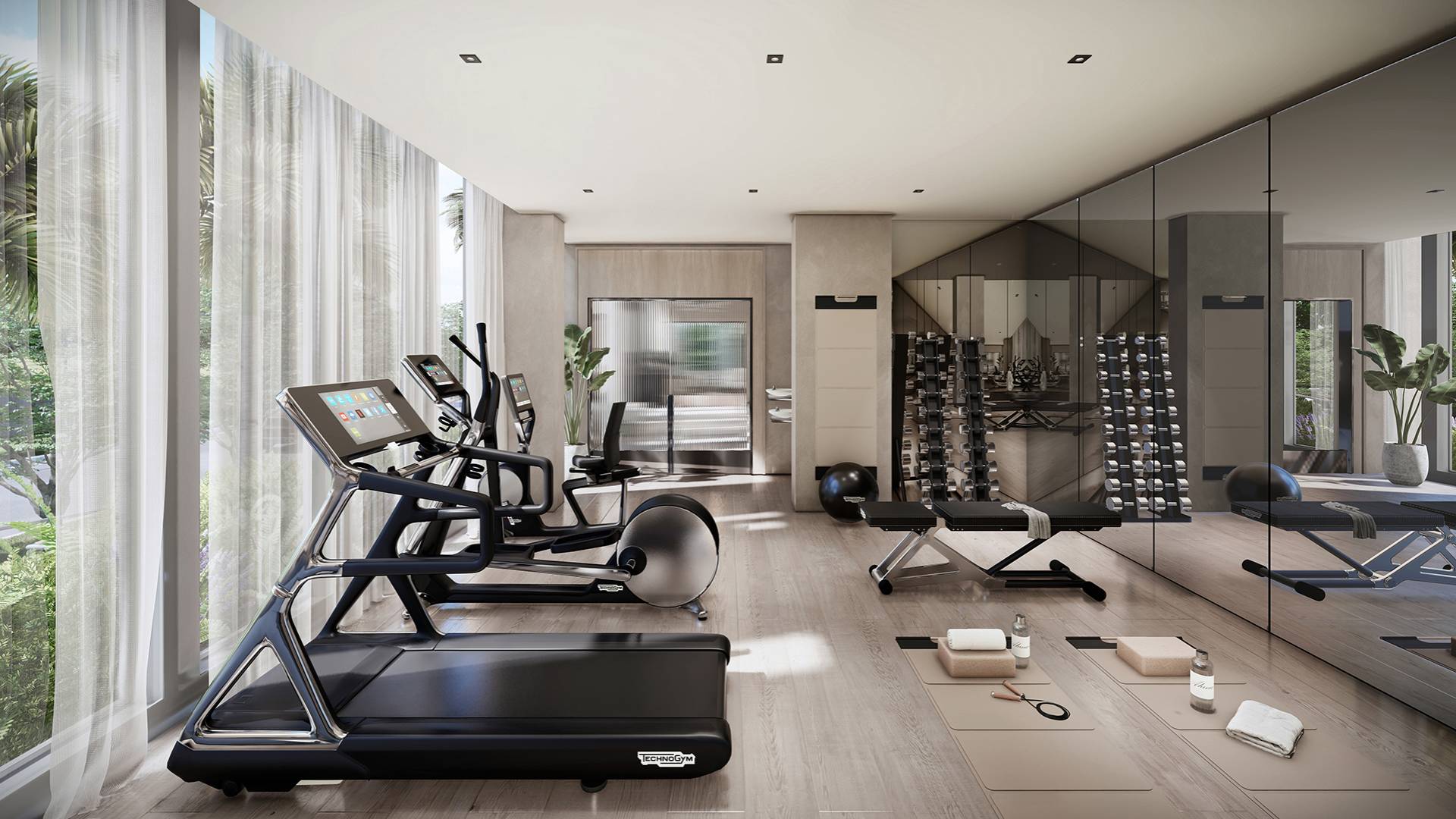
For buyers prioritizing wellness-led routines, the useful question is not whether a property carries a wellness label. It is whether the residence, shared spaces and location can accommodate the habits that matter to the buyer.
Alana Bay Harbor Islands can be assessed through that practical lens. Buyers can map a normal day-from morning movement to evening downtime-and determine whether the available layouts, amenities and circulation align with that schedule. Current project materials should be used to confirm every feature under consideration.
This approach keeps wellness personal and measurable. It also avoids treating a building feature as a promise of health benefits. A property may be a strong lifestyle match when it reduces friction around preferred routines, but that conclusion depends on the buyer’s habits and verified project details.
A useful evaluation begins with frequency. Buyers should identify which activities they expect to repeat daily or weekly, then consider how the residence could support those patterns. Movement, quiet time, sleep, outdoor time and convenient transitions may carry different weight for different households.
The next step is to distinguish essentials from occasional preferences. An amenity that appears attractive in a presentation may not influence daily life if it is rarely used. Conversely, a straightforward feature can be valuable when it fits naturally into an established routine.
Buyers should request current project documents before relying on descriptions of equipment, operating arrangements, access or specifications. The goal is to connect verified details with a realistic use case rather than make assumptions from marketing language.
Wellness-led living can also depend on how a building feels in use. Arrival, movement between the residence and shared areas, elevator access, noise expectations and privacy preferences can affect whether a routine feels comfortable and repeatable.
Building scale should be evaluated as a preference rather than an automatic advantage. Some buyers favor a more intimate atmosphere, while others prefer a broader social or amenity environment. A visit, plan review and discussion of current operating details can help clarify which setting feels appropriate.
A buyer can compare these considerations with The Well Bay Harbor Islands. The purpose of the comparison is not to assume that the projects are interchangeable, but to examine how each verified program aligns with the same daily schedule.
Floor-plan review should focus on how space would function throughout the day. Buyers can consider room placement, storage needs, work-from-home requirements, opportunities for quiet and the transitions between private and shared areas. Any project-specific conclusion should follow review of current plans and materials.
Amenities deserve the same use-based analysis. Rather than counting features, buyers can rank them by expected frequency and convenience. They should also verify availability, access terms and other relevant details directly through current project documentation.
Origin Bay Harbor Islands offers another project for a structured comparison. Using one checklist across multiple options can make differences easier to identify without relying on unsupported assumptions.
A residence does not operate separately from its surroundings. Buyers can evaluate how often they expect to leave home, which destinations matter to their schedule and whether the overall pattern feels manageable. Travel times, routes and access should be checked according to the buyer’s own needs rather than generalized.
This is especially relevant for buyers deciding between a primary home and a second home. A primary-residence review may emphasize weekday repetition, while a second-home review may focus on how easily preferred routines can resume after arrival. Neither use should be presumed; the buyer should verify that the residence and project rules fit the intended purpose.
Including La Maré Bay Harbor Islands in the comparison can help buyers test the same priorities across another option. Consistent criteria keep the decision centered on personal fit.
Before deciding, buyers should separate verified information from interpretation. Current plans, disclosures, specifications, contracts and applicable rules should guide conclusions about the residence and project. Qualified professional advice may also be appropriate depending on the transaction.
A practical checklist can cover intended use, preferred routines, privacy expectations, layout function, amenity relevance and the surrounding daily pattern. Buyers can then rank each point as essential, desirable or optional.
The strongest fit is the property that performs well against the buyer’s actual schedule and confirmed requirements. Wellness-led living is therefore best treated as a framework for decision-making, not a guaranteed outcome.
How should buyers evaluate Alana Bay Harbor Islands for wellness-led living? They can compare their normal routines with verified residence, amenity and project details.
Does a wellness-led residence guarantee health benefits? No. The term describes a lifestyle priority and should not be treated as a promise of health outcomes.
Which daily habits should be considered? Buyers can assess movement, rest, sleep, quiet time, work patterns and transitions according to their personal needs.
Why is amenity frequency important? A feature may contribute more to daily life when it is convenient and likely to be used consistently.
Should buyers rely on marketing descriptions? No. They should confirm relevant features, specifications, access and terms through current project documents.
How can floor plans affect routine fit? Layout, storage, room placement and circulation can influence how comfortably a home supports everyday activities.
Why compare building scale and privacy? Buyers differ in their preferences for intimacy, activity and shared-space use, so these factors should be assessed personally.
Can the evaluation differ for a primary home and a second home? Yes. Full-time and recurring-stay use can create different priorities, which should be tested against verified project details.
How should nearby projects be compared? Apply the same checklist to each option and avoid assuming that similarly located projects offer identical programs.
What is the best way to shortlist comparable options for touring? Start with location fit, delivery status, and daily lifestyle priorities, then compare stacks and elevations to validate views and privacy.
To compare the best-fit options with clarity, connect with MILLION.
If branded residences are on your mind — as a home or as an allocation — we would be glad to share what we are seeing, privately.
Begin a quiet conversation