A discreet planning guide for Design District homeowners preparing for Miami Art Week 2026, with practical recommendations for temporary protection, building approvals, communications and household privacy.
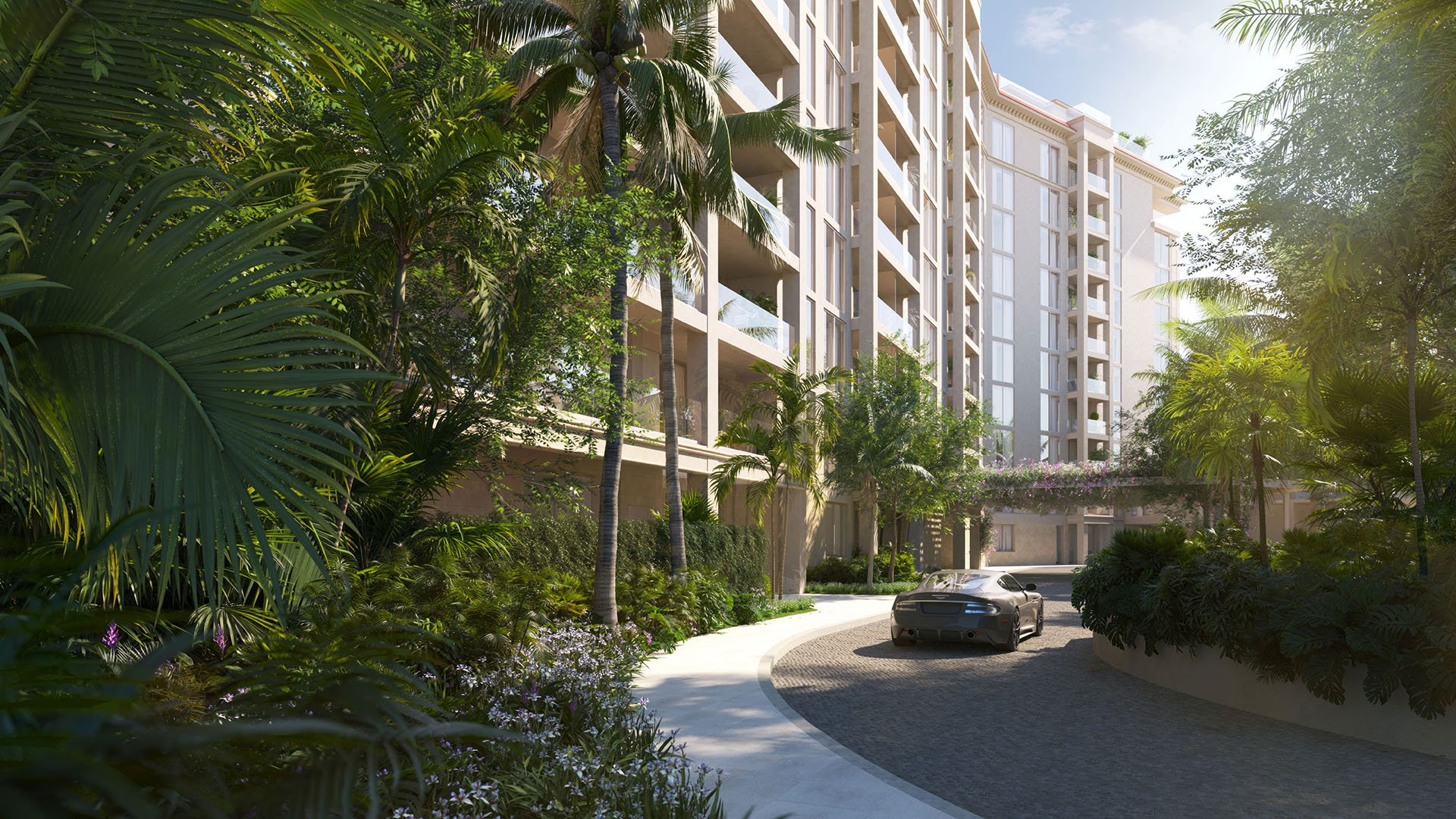
For a high-value residence in the Miami Design District, Art Week readiness should feel almost invisible. Guests arrive without confusion, deliveries reach the right person, and the household can leave for the evening knowing who remains responsible for the front door. The objective is not a conspicuous security presence. It is continuity between private protection, building operations and everyday residential life.
For buyers considering Miami Tropic Residences, the useful question is how a future household would coordinate temporary coverage with management-not what a project name implies about security. No project reference here establishes occupancy, Art Week availability or authorization for outside guards.
Treat the recommendations below as a planning framework. Confirm 2026 event schedules, staffing availability and property-specific conditions directly before making commitments. Neither historical deployments nor a provider’s advertised service area establishes this year’s arrangements.
Planning for a Design District property should begin by confirming applicable City of Miami requirements and the building’s own policies. Ask whether the proposed gathering requires a permit and whether any security-plan, staffing or police-coordination conditions would apply. Do not treat event conditions as household obligations without confirming their applicability.
Miami Beach procedures should not be treated as binding rules at a Design District address. Verify requirements for the actual property and proposed use rather than borrowing a plan from another municipality. Building consent and municipal compliance are separate questions; neither should be assumed from the other.
Write the assignment before selecting the team. Residence coverage might include visitor screening, delivery reception and overnight presence. A traveling detail serves a different purpose: accompanying the principal beyond the property. Private-party staffing is another assignment, potentially involving a temporary guest list and additional arrival activity.
The distinction matters when the household leaves. If every temporary agent accompanies the principal, the residence may lose the very coverage the owner intended to add. Plan residence posts independently, specifying who provides relief during breaks, shift changes and outings.
Ask prospective providers to verify relevant Florida licensing, identify the proposed personnel and confirm availability for the actual assignment. A luxury-retail service footprint in the Design District does not establish residential experience or building authorization. Nor does advertised protection for Art Basel attendees establish availability for a particular residence.
Temporary personnel should complement the building’s established operations, not arrive as a parallel authority. Share a roster, licensing information, shift schedule and designated supervisor with management in advance, following its submission and approval procedures. Ask which documents and permissions the property requires.
Create a short responsibility map covering the lobby, garage, elevators, deliveries and service entrances. At each point, establish who authorizes entry, who checks visitors and who resolves an unexpected arrival. Outside personnel should not assume control of shared spaces or building systems.
The same buyer diligence applies when considering Aria Reserve Miami in Edgewater: ask how management would review a temporary team rather than assuming a standard arrangement across residences.
Agree on shift handovers as well. A departing supervisor should communicate unresolved deliveries, expected visitors and access changes to the incoming contact without circulating the household’s full itinerary.
The radio procedures below are planning recommendations, not a statement of legal requirements. Start with one command contact, a clear route to building management and equipment the participating teams can use together.
Before service begins, agree on location-based call signs and concise language for routine requests. Test communications along management-approved working routes and establish a backup contact method if radio communication fails. Clarify which situations require the supervisor, building staff or emergency services. Escalation should not depend on improvisation.
Keep principal names, unit identifiers and detailed itineraries off routine radio traffic where practical. Move sensitive exchanges to an agreed, access-controlled channel appropriate to the information. Code names and radios that do not record conversations are not guarantees of confidentiality.
The test is straightforward: can a relief agent understand the procedure without a long explanation during an arrival?
Privacy planning should extend beyond the protection team. Set written expectations for household staff, temporary workers and vendors covering photographs, social-media posts, guest identities and the sharing of arrival or departure information. The aim is a consistent household standard, not a collection of informal promises.
Distribute information by role. A delivery contact may need an approved reception instruction, while a traveling supervisor needs a movement plan. Neither necessarily needs the other’s complete records. Agree on who can change the guest list and how staff should confirm unexpected requests without announcing private details in a shared lobby.
Set an end-of-assignment process for temporary credentials and sensitive records, coordinated with management and applicable retention obligations. Privacy depends not simply on collecting less information at the door, but on controlling what happens to it afterward.
An itinerary spanning the Design District and Miami Beach should not blur responsibility at either end. For a household evaluating Setai Residences Miami Beach alongside mainland options, the practical questions concern each property’s access procedures and coordination contacts-not an assumed common security model.
Confirm current traffic arrangements and any relevant public-safety guidance before finalizing travel plans. Do not treat prior Art Week arrangements as a confirmed 2026 deployment schedule or a substitute for private residence coverage.
Establish a clear handoff between the traveling detail and the residence contact whenever plans change. The home team needs enough notice to manage an arrival, not a running broadcast of the principal’s movements.
Beginning coordination six to eight weeks ahead is a reasonable planning recommendation, not a legal booking deadline or assurance of availability. Use that period to resolve scope, provider credentials, management approval and communications responsibilities.
Before activation, walk through an ordinary arrival, an unexpected visitor, a delayed delivery and a shift change. Confirm who makes each decision and who receives the handover. In a well-prepared residence, hospitality remains composed because responsibility is clear.
Explore residences that align with your household’s priorities through MILLION.
If branded residences are on your mind — as a home or as an allocation — we would be glad to share what we are seeing, privately.
Begin a quiet conversationThey should not be treated as binding requirements for a Design District address. Confirm applicable City of Miami requirements and the property’s own policies.
Do not assume a requirement either way. Confirm whether the proposed gathering requires a permit and what security conditions, if any, apply.
As a planning recommendation, provide the proposed roster, licensing information, shifts and supervisor contact. Ask management to confirm its documentation and approval requirements.
Treat residence coverage and traveling protection as separate assignments. Plan relief so the household’s outings do not unintentionally leave residence posts unstaffed.
Ask the provider to verify relevant Florida licensing and identify the personnel proposed for the assignment. Confirm actual availability and obtain any required building authorization.
Agree on a command contact, compatible communications, location-based call signs and escalation procedures. Test coverage and establish a backup contact method before service begins.
No. Keep sensitive names and itineraries off routine radio traffic, and use an agreed, access-controlled channel when private information must be shared.
Recommend written restrictions covering photographs, social-media posts and disclosure of guest identities or movements. Limit information access to what each role needs.
No; prior arrangements should not be treated as confirmation of 2026 plans. Verify current guidance and plan residence coverage separately.
Six to eight weeks ahead is a planning recommendation, not a legal deadline or availability guarantee. Allow time for provider checks, management review and communications preparation.