A buyer-focused guide to evaluating acoustic privacy in Coral Gables, from elevator adjacency and rooftop equipment to amenity impacts and room-by-room traffic exposure.
In a high-value Coral Gables residence, privacy deserves the same consideration as daylight, proportion, and views. An elegant floor plan can explain how rooms connect without revealing how sound reaches them. The question is not simply whether a building feels quiet during a showing, but whether the particular residence remains comfortable when neighboring spaces and building systems are active.
Acoustic privacy is a room-by-room consideration. Elevator movement, corridor conversations, mechanical hum, amenity activity, and traffic each deserve attention. A bedroom beside a service space presents a different question from a living room opening toward an outdoor gathering area. Neither condition establishes a defect; each warrants investigation.
For buyers considering Ponce Park Coral Gables, start with a residence-specific review rather than an assumption of quiet based on the address. The same discipline belongs in every premium purchase.
Request floor plans for the residence and adjoining levels, along with stacking, mechanical, and amenity plans. Locate elevator shafts, equipment rooms, service rooms, corridors, and outdoor activity areas relative to bedrooms and primary living spaces. Marketing layouts may omit spaces that matter acoustically.
For a comparison involving Cora Merrick Park, focus on the exact residence under consideration: what sits beside it, above it, and below it? Request the relevant documents rather than treating a neighboring layout as interchangeable.
Then distinguish the sound source from its possible route into the home. Concrete construction alone does not eliminate transmission through doors, shafts, penetrations, or poorly isolated equipment. Review the complete separation assembly, including acoustic underlayments, resilient channels, suspended ceilings, isolation joints, and pipe or duct penetrations where applicable.
A position near an elevator warrants two separate investigations. First, listen for landing and corridor activity, including voices and movement near the entry. Second, investigate elevator equipment noise and vibration. Distance from the visible elevator door does not answer every question about the shaft or machinery.
During an authorized visit, ask whether normal elevator operation can be observed while someone listens inside the residence. Check the entry, living area, and bedrooms rather than listening only at the front door. Record where sound is perceptible and whether it coincides with elevator movement or corridor activity.
Treat this as screening, not technical certification. If an exposure remains unresolved, ask an acoustical professional to define an appropriate assessment. A brief quiet interval does not establish performance across different operating conditions.
Assess vibration as well as audible noise, particularly around fans, cooling towers, and elevator equipment. Listen with the residence’s HVAC operating, and ask which nearby building systems are running during the visit. A listening session with equipment inactive cannot answer the same questions as one under normal operation.
Upper-floor residences warrant particular scrutiny of rooftop equipment. Greater height is not a guarantee of quiet. Ask to see the relationship between occupied rooms, rooftop machinery, and equipment spaces before drawing conclusions from a view or floor designation.
Do not treat visual screening of equipment as proof of acoustic privacy inside a particular residence. The inquiry must still address equipment location and separation details.
Below an amenity deck, conversation and music are only part of the inquiry. Footsteps, furniture movement, and fitness activity introduce impact exposures that require separate evaluation. When possible, arrange a visit during ordinary amenity use, with building permission, rather than judging the space only when empty.
Listen from the rooms directly beneath the activity, then extend the assessment to terraces, glazing, and operable doors. Outdoor sound can reach a residence through these paths even when the ceiling is not the principal concern.
Ask for the applicable floor-and-ceiling details and any available acoustic documentation. Where flooring changes are contemplated in Coral Gables, verify applicable permitting, association approval, and sound-transmission requirements before proceeding. Review the proposed assembly separately from an evaluation of the existing residence under actual use.
Evaluate traffic exposure by façade and individual room. Examine window specifications, frame seals, balcony doors, and façade penetrations. Do not reduce the assessment to whether the building fronts a busy corridor; compare the specific room and its enclosure.
Listen with windows and exterior doors closed, then compare conditions with an operable door open. Include bedrooms, living areas, and the terrace, noting traffic peaks separately from interior mechanical hum or neighboring activity. Exterior exposure can also include aircraft, so avoid attributing every intermittent sound to the street.
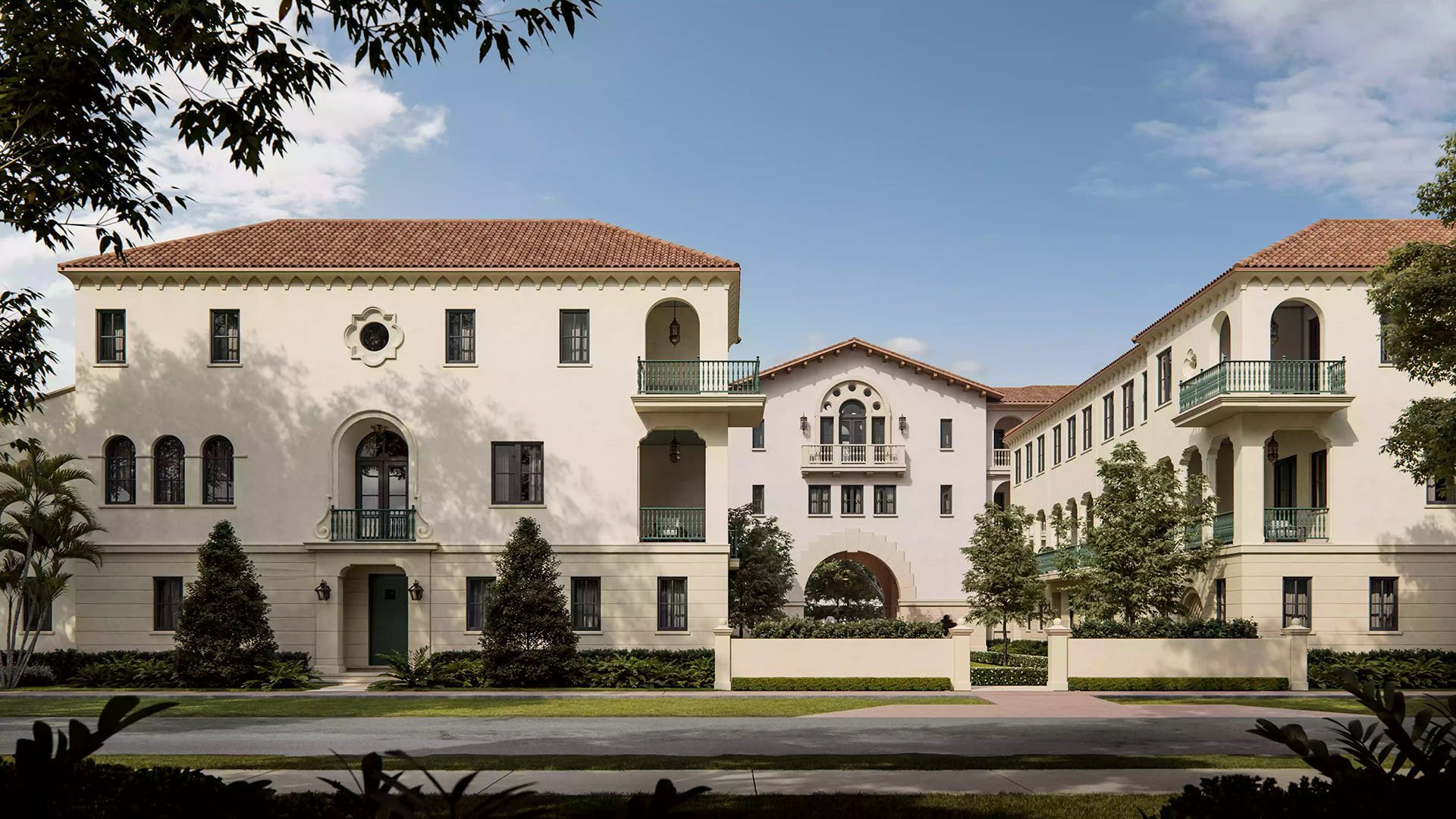
If The Village at Coral Gables is on the shortlist, apply the same room-specific questions without presuming an acoustic outcome. Project identity cannot replace an examination of the particular home’s orientation and enclosure.
Ask precise questions about systems and assemblies rather than inferring performance at any Coral Gables property. Ask whether residence-relevant criteria, assembly details, and test documentation are available, and have a qualified adviser explain what they do and do not demonstrate.
Do not substitute a general description such as solid construction for evidence about the interfaces that matter: the bedroom wall beside a shaft, the ceiling below an amenity area, or the glazing facing traffic.
Return under different conditions: mornings, evenings, weekends, and active amenity periods. Use the same listening locations each time, and keep a brief record of room, time, equipment operation, door position, and sound character. Distinguish hum, vibration, footsteps, voices, and traffic rather than assigning the entire residence a single impression of quiet.
The aim is not to promise silence. It is to identify which exposures are acceptable, which need clarification, and which merit specialist testing before a purchase decision. For an unbuilt residence, focus on plans and specified assemblies while keeping design intent distinct from completed performance.
For a considered approach to your Coral Gables residence search, explore MILLION.
If branded residences are on your mind — as a home or as an allocation — we would be glad to share what we are seeing, privately.
Begin a quiet conversationNo. Upper-floor residences warrant scrutiny of rooftop mechanical equipment, including audible noise and vibration.
Request residence and adjoining-level floor plans, stacking plans, mechanical plans, and amenity plans. These help identify nearby equipment and service spaces that marketing layouts may omit.
Investigate corridor voices and movement separately from elevator machinery noise and vibration. Listen inside bedrooms and living areas as well as near the entry.
Not by itself. Sound can travel through shafts, doors, penetrations, and poorly isolated equipment, so the complete separation assembly matters.
Evaluate impact noise from footsteps, furniture movement, and fitness activity, not just conversation or music. Also check sound entering through glazing, terraces, and operable doors.
Assess each façade and room, including window specifications, seals, balcony doors, and penetrations. Compare closed-window conditions with an exterior door open and listen during traffic peaks.
Yes, include listening with the residence’s HVAC operating and ask which nearby building systems are active. Assess vibration as well as audible hum.
No. Visual screening does not demonstrate acoustic privacy inside an individual residence; equipment location and separation details still warrant review.
Verify applicable permitting, association approval, and sound-transmission requirements before proceeding. Review the proposed assembly rather than considering the finish alone.
Consider specialist assessment when repeated visits reveal unresolved noise or vibration, or when assembly documentation needs interpretation. Informal listening is useful screening, not technical certification.