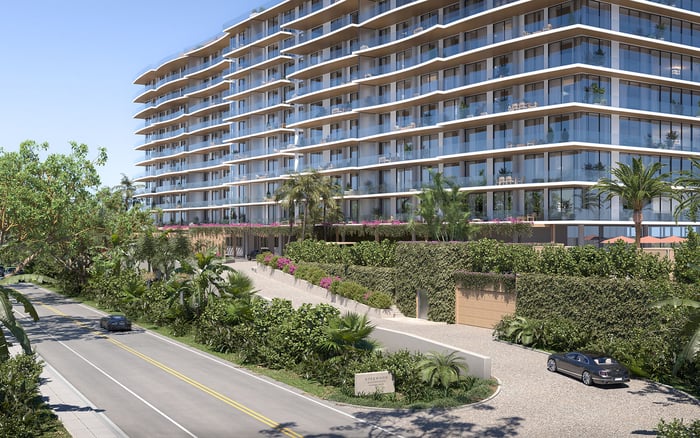
Guest-parking procedures can affect hosting, privacy, security, and everyday convenience. Buyers considering Rosewood Residences Hillsboro Beach should verify parking rights, valet terms, operating rules, budgets, and peak-demand procedures in the controlling documents rather than relying on assumptions.
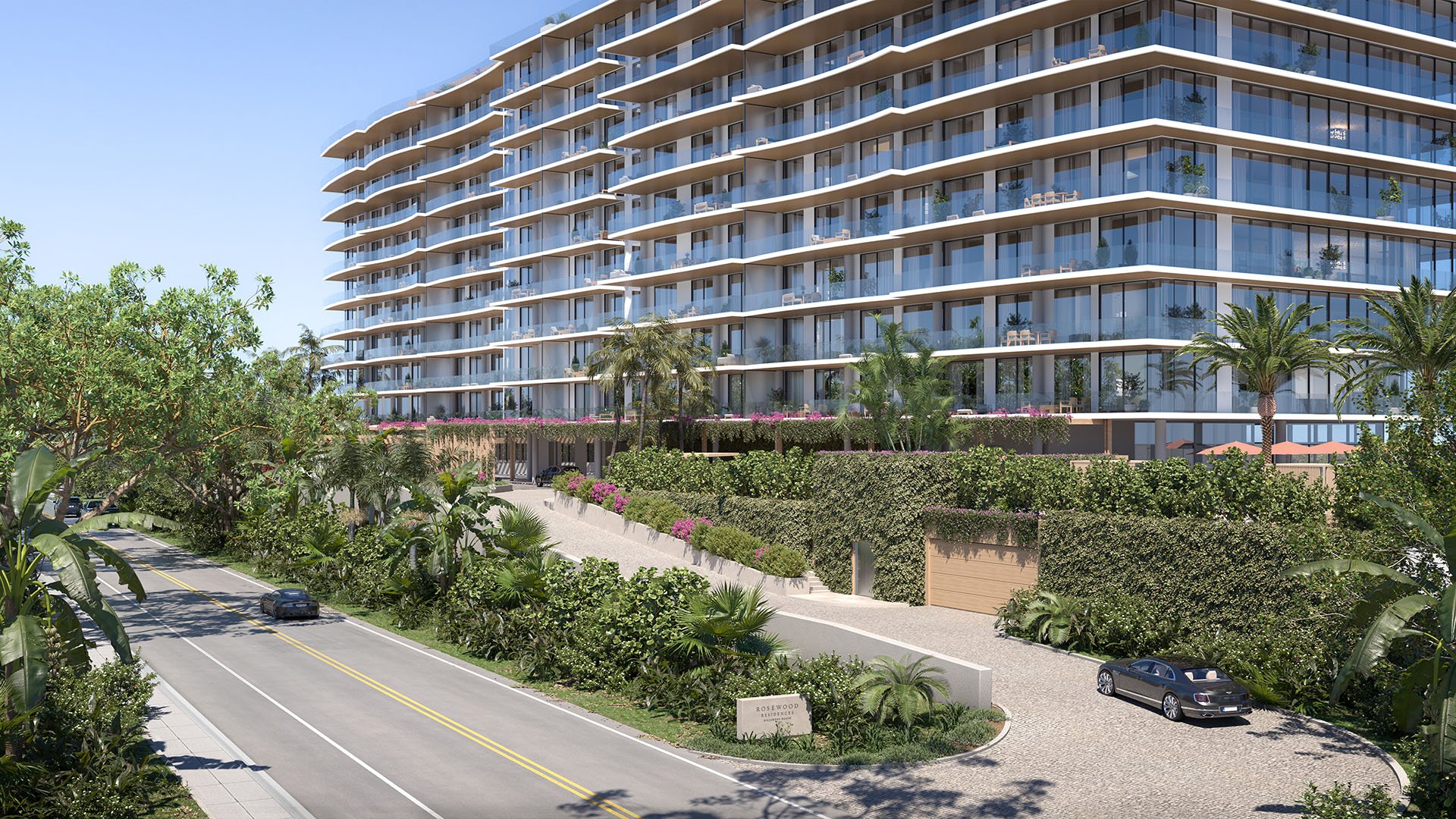
At Rosewood Residences Hillsboro Beach, prospective owners should treat guest parking as a due-diligence question rather than an assumed amenity. The procedures applied to arriving vehicles can influence how owners receive family, friends, private staff, contractors, and other visitors.
A clear process may support an orderly arrival, while unclear or restrictive procedures may create friction. The relevant questions concern access, registration, vehicle handoff, retrieval, security screening, and the treatment of overnight or peak-period visitors.
No guest-space count, resident allocation, valet capacity, fee schedule, time limit, or overnight policy is established by the available fact table. Buyers should therefore confirm each point through the controlling documents and current written procedures.
Any property with shared parking resources may need to balance demand from residents, guests, staff, vendors, and service providers. The practical ownership experience depends not only on physical capacity but also on how access is prioritized and managed.
A buyer evaluating Rosewood Residences Hillsboro Beach can ask what happens when several owners receive visitors at the same time. Other useful questions include whether advance notice is required, how vehicles are verified, where they are staged, and who makes decisions when demand exceeds availability.
These questions should be answered in writing. Presentation materials alone cannot establish the procedures that will govern day-to-day access.
Parking needs vary by owner. Someone who entertains regularly may assess guest access differently from a seasonal resident who rarely hosts. Overnight family members, private chefs, medical providers, designers, and contractors may also be classified differently under operating rules.
Buyers should determine whether guest access is guaranteed, discretionary, reservable, or subject to availability. They should also ask whether time limits, fees, overnight restrictions, holiday procedures, or event protocols apply.
Scenario-based questions can make the review more practical. A buyer might ask how the property would handle a dinner involving several guest vehicles, an overnight visitor, or multiple service providers arriving before an event. The response can clarify both the written rule and the intended operating process.
The review should include the declaration, bylaws, proposed or current rules, parking exhibits, space-assignment schedules, valet agreement, operating budget, and any written visitor procedures made available to the buyer.
These materials should be read together. A parking exhibit may describe physical arrangements, while association rules may determine eligibility and conditions of use. A service agreement may define valet responsibilities, and the budget may show how operations are funded.
Counsel can also clarify whether a space is owned with a residence, designated as a limited common element, licensed, assigned, or accessed only through an operating service. Buyers should not assume that visually similar parking arrangements create equivalent legal rights.
A consistent checklist helps buyers compare South Florida residences without assuming that different properties follow the same rules. The same guest-access questions can be raised when considering Armani Casa Residences Pompano Beach, W Pompano Beach Hotel & Residences, or Four Seasons Hotel & Private Residences Fort Lauderdale.
This comparison does not imply that the projects share policies, capacity, fees, or procedures. Its purpose is to apply the same due-diligence standard to every option: confirm visitor registration, vehicle staging, retrieval procedures, privacy safeguards, costs, and peak-demand protocols.
Small operating rules can materially affect the ownership experience because they govern recurring interactions at the point of arrival. Clear documentation allows a buyer to evaluate those interactions before committing to a purchase.
A hospitality name may shape service expectations, but it does not replace condominium governance or contractual terms. Binding parking rights and restrictions depend on the applicable documents, agreements, rules, and procedures-not on branding or general marketing language.
Buyers should request written answers where the documents leave discretion to management, an association, or an operator. They should also ask who exercises that discretion, how changes may be adopted, and what process applies when guest demand exceeds available capacity.
For Rosewood Residences Hillsboro Beach, the prudent approach is straightforward: identify the anticipated guest-parking experience, test it against realistic scenarios, and verify it against the documents available for review.
Is a specific number of guest parking spaces confirmed? No verified guest-space count is established by the available fact table. Buyers should confirm capacity in the applicable documents and exhibits.
Is guest parking guaranteed to every owner? That is not established. Buyers should determine whether access is guaranteed, discretionary, reservable, or subject to availability.
Can owners reserve parking for a private event? No reservation policy is confirmed. Request the applicable rules and a written explanation of event procedures.
Can overnight guests leave vehicles at the property? No overnight-parking policy is verified. Confirm registration requirements, time limits, fees, and restrictions before purchasing.
Why does valet capacity matter? Capacity and staffing can influence vehicle staging, retrieval, privacy, and the handling of simultaneous arrivals. No project-specific valet capacity is established here.
Which documents should a buyer request? Request the declaration, bylaws, parking exhibits, applicable rules, valet agreement, operating budget, and any space-assignment or visitor-procedure schedules.
Does marketing create binding parking rights? No. Rights and restrictions depend on the controlling documents, contracts, rules, and operating procedures.
How should contractors and service providers be addressed? Ask whether they use guest capacity, designated service areas, separate arrival windows, or distinct registration procedures.
What should buyers ask about peak periods? Ask how simultaneous arrivals, holidays, overnight visitors, private events, and demand exceeding capacity are managed.
Why review guest parking before purchasing? The rules may affect hosting, security, privacy, convenience, and recurring service interactions at the property.
For a tailored shortlist and next-step guidance, connect with MILLION.
If branded residences are on your mind — as a home or as an allocation — we would be glad to share what we are seeing, privately.
Begin a quiet conversation