A discreet buyer’s guide for international clients weighing South Florida homes through the practical lens of storm-day comfort, continuity, and calm.
For a buyer arriving from Geneva, South Florida can feel wonderfully direct: light, water, garden, terrace, club, school, marina, restaurant. Yet the most sophisticated residential decision is not only about the view on a perfect afternoon. It is also about how a home performs when the weather turns, schedules tighten, and the household wants calm instead of improvisation.
Storm-day livability is not fear-based buying. It is refined due diligence. A residence may be exquisite on arrival, but the more revealing question is how it supports family, staff, pets, vehicles, deliveries, privacy, and work when ordinary routines are interrupted. The best homes in South Florida are chosen with two lives in mind: the luminous resort life that draws buyers here, and the practical domestic life that must continue without drama.
This is especially true for international buyers comparing familiar European standards of order, service, and discretion with the particular rhythm of a subtropical market. A South Florida home should feel effortless in January, but it should also feel coherent when everyone is indoors, devices are charging, travel plans shift, and the household depends on the property team.
Before comparing neighborhoods, define how your household actually lives. A couple spending long weekends in Miami needs a different plan from a family relocating with children, pets, staff, and two cars. A seasonal owner may prioritize lock-and-leave simplicity, while a primary resident may need generous storage, internal circulation, private workspace, and proximity to essential routines.
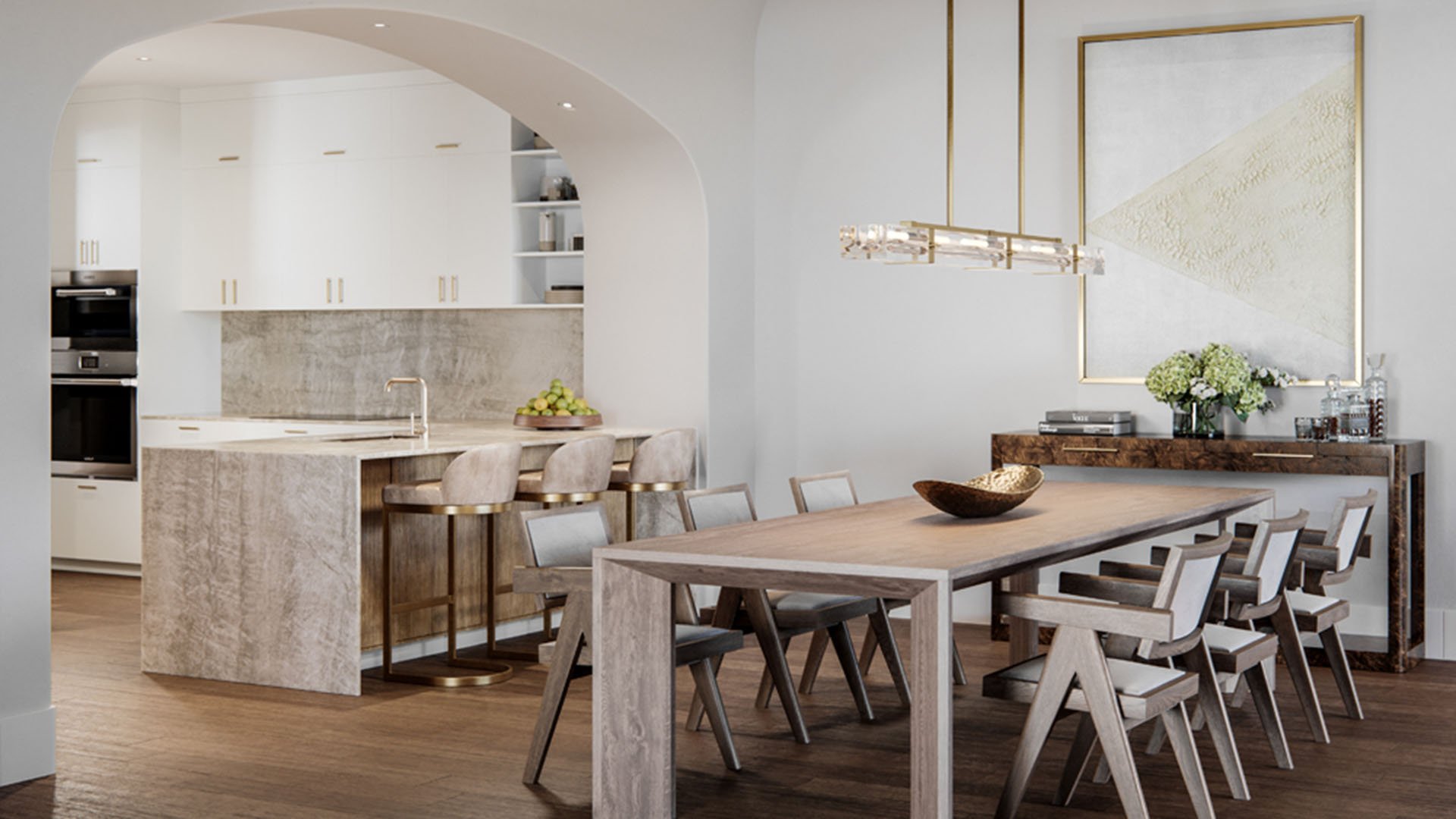
Ask whether the residence can support a full day inside without feeling compromised. Does the kitchen work for real meal preparation, or only for entertaining? Is there a quiet room for calls with Europe? Can children separate from adults? Is there a comfortable place for staff to coordinate logistics? Are terraces beautiful but not essential to the floor plan? A storm-day home should not collapse into one crowded living room when outdoor spaces are temporarily unavailable.
For many Geneva buyers, the deeper luxury is continuity. That means understanding how the residence manages access, building communication, parking, package handling, pet needs, and service requests. It also means looking closely at whether a home remains gracious when the glamour is paused.
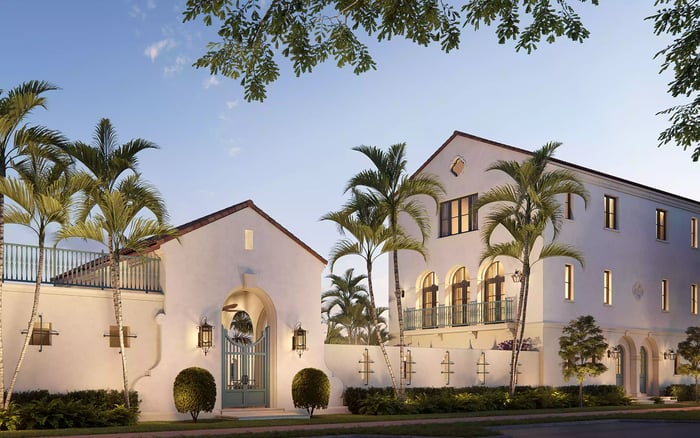
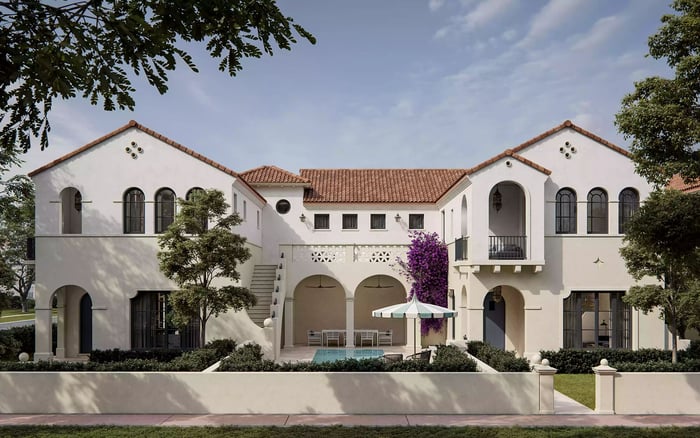
Coral Gables appeals to buyers who want a composed, residential atmosphere rather than a purely vertical waterfront identity. Its appeal is often emotional: shaded streets, architectural continuity, and the sense that daily life can be organized around home, school, dining, and privacy. For storm-day livability, that order can be valuable.
In Coral Gables, the key is to distinguish charm from function. A beautiful address should still offer practical parking, sensible storage, protected entries, and spaces that work during an extended indoor day. Buyers looking at new or recently planned residential options may find The Village at Coral Gables relevant because it aligns with a broader preference for a neighborhood-scaled lifestyle rather than a tower-only mindset.
For those who want the convenience of a more urban Gables location, Cora Merrick Park can be considered through the lens of daily access: how quickly one reaches essentials, how the building handles arrivals, and whether the immediate surroundings support a low-friction routine. The decision is less about spectacle and more about elegance under pressure.
Coconut Grove often speaks to buyers who want vegetation, village texture, and a softer pace while remaining close to Miami’s urban center. In a storm-day framework, the Grove conversation should focus on protected living spaces, covered movement from car to residence, and whether the plan remains comfortable when the terrace is not in use. A project such as Four Seasons Residences Coconut Grove naturally fits a buyer’s broader comparison of service, privacy, and neighborhood character.
Brickell is a different proposition. It is efficient, vertical, and business-forward, which can be attractive for owners who want proximity to finance, dining, and an urban routine. Storm-day livability in Brickell depends on how the building is managed, how parking and elevators are coordinated, and whether the residence itself has enough interior grace to offset a dense environment. Buyers considering The Residences at 1428 Brickell should think beyond skyline appeal and examine the everyday choreography of arrival, departure, work, and household support.
Miami Beach has its own logic, especially for buyers drawn to sand, wellness, and resort energy. The question is not simply whether one wants beach access or an oceanfront address. It is whether the residence works when the beach is not the day’s destination. At The Ritz-Carlton Residences® Miami Beach, for example, the more discerning lens is how the home supports quiet interior living, service coordination, and a polished sense of retreat.
Waterfront living is central to the South Florida dream, but it deserves disciplined review. The view is only the opening sentence. The rest of the story involves access, parking, maintenance culture, insurance questions, building reserves, staff readiness, and how the residence functions when outdoor amenities are unavailable.
A serious buyer should walk the property as if arriving in heavy weather. Where does the car stop? How exposed is the path to the lobby or front door? Are there covered areas for luggage and groceries? Can pets be handled comfortably? Are service elevators, package rooms, and staff entrances logically placed? If a residence has dramatic glass, terraces, or high-floor views, does it also have quiet interior zones that feel grounded?
This is where a buyer’s guide becomes personal. The right answer for one family may be a full-service condominium. For another, it may be a single-family residence with more autonomy. For another, it may be a boutique building where the staff knows the household intimately. Storm-day livability is not a generic checklist; it is the match between a property’s operating character and the owner’s tolerance for inconvenience.
In a luxury condominium, management quality is part of the residence. Ask how the building communicates with owners, how staffing is organized during severe weather, and what residents are expected to do before leaving for the season. Review rules for terrace furniture, contractors, deliveries, pets, guests, and vehicles. These details may seem administrative, but they become highly relevant when timing matters.
Elevators deserve special attention. A high-floor residence can be magnificent, but the buyer should understand how vertical circulation is managed, how service access is separated, and what the plan is if movement through the building becomes limited. Low-floor residences may sacrifice some drama, but they can feel more practical to certain owners. High-floor residences can offer privacy and views, but they require stronger confidence in building operations.
Also examine the practical interior. Deep closets, a proper laundry room, pantry capacity, durable flooring, acoustic privacy, and separate work areas can matter as much as a glamorous primary suite. In South Florida, a resilient home is not only engineered from the outside. It is edited from the inside.
The goal is not to eliminate weather from the equation. That would be impossible in any coastal luxury market. The goal is to buy with composure. Geneva buyers are often skilled at evaluating quality, privacy, service, and long-term value. Those same instincts translate well here when applied to storm-day living.
Visit at different times of day. Notice traffic, valet flow, lobby noise, and how the residence feels when the sun is strong or the sky is grey. Ask direct questions, then listen for specificity. A polished answer is helpful; a clear operating plan is better. Look for a property team that treats preparation as ordinary hospitality, not as a special performance.
Finally, resist buying only the postcard. The most satisfying South Florida home is the one that can host a glittering dinner, support a remote European workday, welcome family after the beach, and remain civilized when the weather asks everyone to stay in. That is the quiet measure of luxury.
What does storm-day livability mean for a South Florida home? It means the residence remains comfortable, organized, and serviceable when weather disrupts normal outdoor routines.
Is Coral Gables a practical choice for buyers from Geneva? Coral Gables can suit buyers who value residential calm, privacy, and a more gardened daily rhythm.
Should I prioritize a condominium or a single-family home? Choose based on your household’s need for service, autonomy, privacy, parking, storage, and day-to-day support.
Are high-floor residences less practical during storms? Not necessarily, but buyers should understand elevator planning, building management, and backup procedures.
What should I ask a condominium manager before buying? Ask about communication, staffing, access, deliveries, pets, terrace protocols, and owner responsibilities.
Does waterfront living require extra diligence? Yes. Review access, maintenance culture, insurance questions, parking, and how the home works indoors.
How important is storage in storm-day planning? Very important. Pantry space, closets, laundry capacity, and utility areas can make indoor days feel orderly.
Can a boutique building be better than a large tower? It depends on the staff model, owner expectations, privacy needs, and how the building handles operations.
Is Brickell suitable for full-time living during unsettled weather? Brickell can work well if the building has strong management and the residence offers enough interior comfort.
What is the best way to shortlist comparable options for touring? Start with location fit, delivery status, and daily lifestyle priorities, then compare stacks and elevations to validate views and privacy.
To compare the best-fit options with clarity, connect with MILLION.
If branded residences are on your mind — as a home or as an allocation — we would be glad to share what we are seeing, privately.
Begin a quiet conversation