A discreet owner’s framework for event-week hosting at Mr. C Tigertail, separating advertised residential services from the access, valet, and guest arrangements that require management confirmation.
For an owner hosting during a busy Coconut Grove event week, luxury is measured before anyone reaches the lounge. Guests should know where to arrive, whom to contact, and what happens next. Residents should retain an orderly entrance, while vendors should receive instructions distinct from those sent to invited guests.
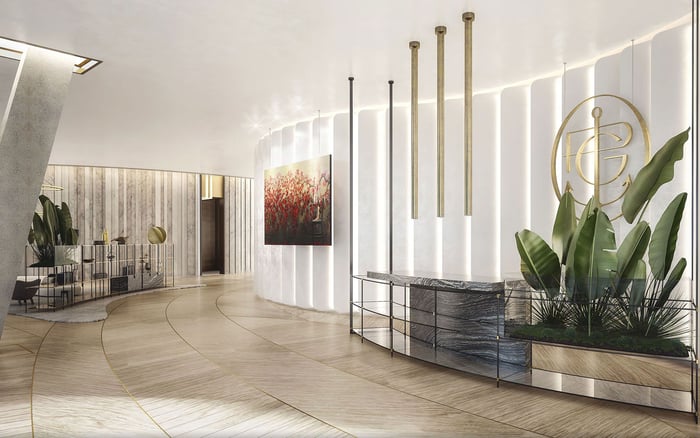
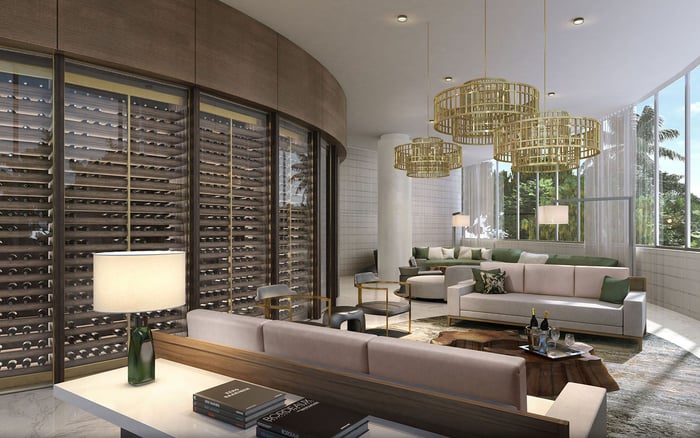
At Mr. C Tigertail Coconut Grove, the physical setting supports that ambition. Tigertail Tower stands at 2678 Tigertail Avenue and forms part of the Mr. C Residences development alongside Bayshore. The 21-story, 134-unit tower lists an event lounge, billiards lounge, and conference room. These are reasons to explore hosting-not substitutes for written approval of a particular gathering.
The essential distinction is between an advertised service and an agreed event plan. Round-the-clock service does not establish how many cars can arrive simultaneously, which guests may proceed upstairs, or who resolves an unexpected arrival.
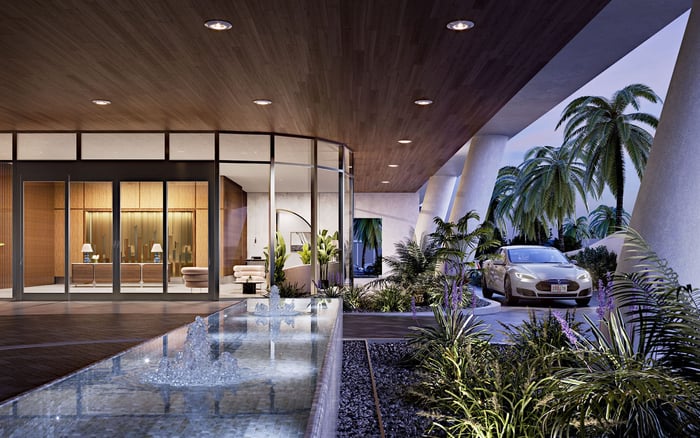
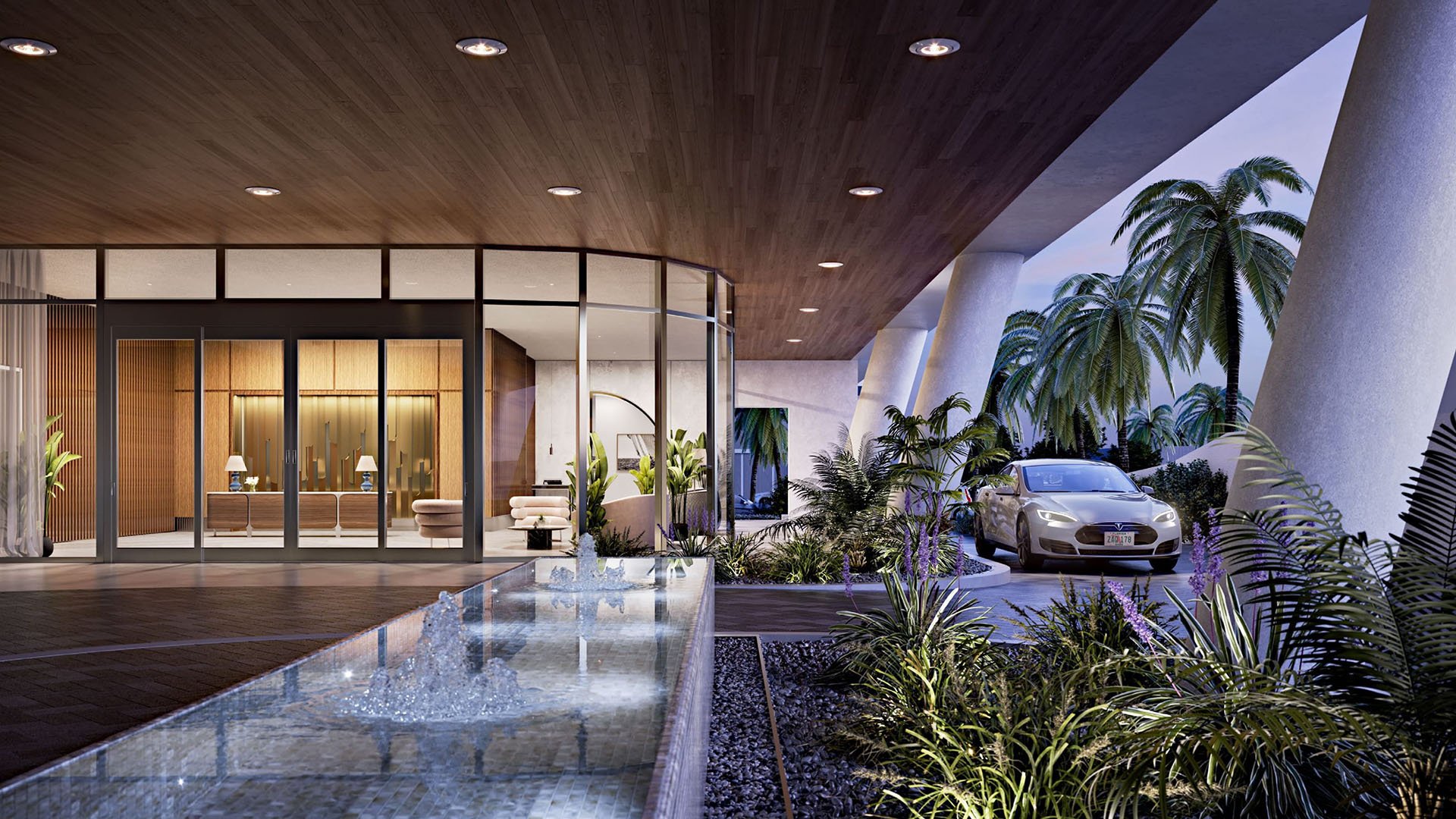
Advertised residential services include 24-hour valet, doorman and security service, and a Mr. C property-management team. Arrival facilities include a covered valet drop-off, reception and concierge desk, porte-cochère, lobby seating, and private high-speed elevators. Shared parking includes above-ground facilities with security surveillance and electric-vehicle charging ports.
These features are the starting point for a management discussion. Confirm whether the valet entrance is the designated event check-in point, where guests should wait, and how the host will be notified of their arrival. Private elevators do not, on their own, confirm a particular guest-release procedure.
Keep the residential tower distinct from the separate Mr. C Coconut Grove hotel. Hotel valet pricing and liability terms should not carry over into a residential event budget or invitation. Ask residential management to confirm applicable charges, vehicle-handling terms, and any event-specific conditions in writing.
Start with the space, then establish its permitted use. Request written approval covering hours, attendance, catering, vendors, music, and alcohol service. Confirm current occupancy limits and reservation conditions before committing to an invitation count.
The event lounge, billiards lounge, and conference room are not interchangeable venues. Have management confirm which space suits the proposed format and whether adjacent amenities remain available to residents. The rooftop pool deck and children’s club are listed amenities, but their presence does not establish permission to include them in a private gathering.
Request loading, elevator, insurance, vendor, and noise requirements at the same stage. An approved guest count alone does not establish when a caterer may unload or how equipment should move through the building. Consolidate approvals in a concise event brief so the owner, host representative, and management work from the same instructions.
Treat guest preclearance as a proposal for management approval, not an assumed tower policy. Offer a guest-and-vendor roster with arrival windows, relevant vehicle details where requested, an emergency contact, and a named host authorized to resolve exceptions within building rules.
Before collecting or distributing guest information, confirm what management needs and how it should be submitted. Ask whether identification is checked, whether names must match the roster, and how additional companions or substitutions are handled. Do not promise QR entry, vehicle whitelisting, or automatic elevator access unless management expressly confirms those arrangements.
The clearest test is an unlisted arrival. Establish whom staff should call, where the guest may wait, and what happens if the host cannot be reached. Host approval should never be presented as overriding security requirements. A clear exception procedure keeps a small discrepancy from becoming a prolonged conversation at reception.
A covered drop-off offers shelter; it does not establish queue capacity. Ask valet management to confirm event staffing, permissible staging, how many vehicles can be accommodated simultaneously, and how resident arrivals will be handled alongside guests. Confirm how retrieval delays will be escalated and whether an overflow arrangement is approved, rather than assuming nearby parking will be available.
Review departures as carefully as arrivals. An orderly reception can still end with many guests requesting cars at once. Ask what retrieval expectations can responsibly be shared and who should address an extended wait. Do not promise a retrieval time that has not been agreed.
Keep guest, vendor, delivery, and rideshare instructions separate. Discuss whether loading can be scheduled outside the main arrival window, and verify where rideshare vehicles may stop. Staggered arrival windows can be proposed, but they should support the building’s approved operating plan-not replace adequate staffing or authorized staging space.
The 2026 Coconut Grove Arts Festival illustrates why the route to the entrance warrants its own review. Traffic restrictions affected Tigertail Avenue, Southwest 27th Avenue, McFarlane Road, Grand Avenue, Aviation Avenue, and South Bayshore Drive. Closures generally extended from 11:55 p.m. Thursday through 11:55 p.m. Monday during that event period.
Those arrangements are historical, not standing instructions for another festival or future event. Verify current closures and residential access before distributing directions. Ask management which approach remains usable and whether guests, vendors, and residents need different instructions.
Parking alternatives during the 2026 festival included Regatta Harbour garage, Mayfair Parking Lot, CocoWalk garage, and Municipal Lot 6 near the Coconut Grove Playhouse. Treat these as locations to investigate, not guaranteed overflow. Confirm current availability and access before naming an alternative in guest communications.
For a buyer also considering Four Seasons Residences Coconut Grove, the useful comparison rests on documentation: request each property’s current hosting conditions, guest-access requirements, and event-valet arrangements. A brand name is not evidence of an operating protocol.
The same discipline applies when evaluating Park Grove Coconut Grove. Ask how private entertaining would coexist with everyday residential access, without assuming another development shares Tigertail’s services or rules. For an owner who entertains regularly, this review belongs alongside the assessment of floor plan and amenity design.
Building approval and public-event authorization are separate questions. An application is required for an event in Coconut Grove public space that requires road closures or attracts 300 or more attendees. An event in a city park requires reserving a park facility first. Neither condition establishes that an indoor private event is automatically permit-exempt.
Before releasing invitations, confirm the applicable approvals, guest instructions, valet arrangements, and current access route. The aim is simple: hospitality that feels effortless because the decisions have already been made.
For a considered perspective on Coconut Grove ownership and residential living, explore MILLION.
If branded residences are on your mind — as a home or as an allocation — we would be glad to share what we are seeing, privately.
Begin a quiet conversationTigertail Tower is at 2678 Tigertail Avenue, Coconut Grove, Miami, FL 33133. It is part of the Mr. C Residences development alongside Bayshore.
Tigertail is a 21-story, 134-unit residential tower.
Listed gathering spaces include an event lounge, billiards lounge, and conference room. Owners should confirm reservation conditions, permitted uses, and occupancy before planning a gathering.
Yes, 24-hour valet is advertised alongside 24-hour doorman and security service. Event staffing, queue capacity, and retrieval expectations should be confirmed separately.
No. Owners should confirm the approved guest-entry and elevator-authorization procedures with management before promising any particular access method.
Propose guest and vendor names, arrival windows, relevant vehicle details where requested, an emergency contact, and a named host for exceptions. Confirm management’s information and submission requirements first.
The separate hotel’s rates should not be treated as residential-tower pricing. Obtain residential event charges and vehicle-handling terms directly from residential management.
No, the 2026 closures are historical arrangements. Verify current street restrictions and the approved residential approach before sending directions.
Not without confirmation. Previously identified locations included Regatta Harbour garage, Mayfair Parking Lot, CocoWalk garage, and Municipal Lot 6, but current access and availability need checking.
No, building approval and public-event authorization are separate. Confirm the requirements applicable to the gathering rather than assuming an indoor private event is exempt.