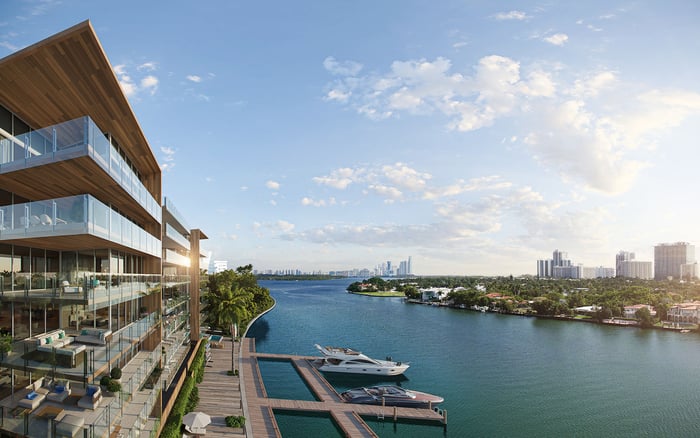
For a Tokyo-based household considering Bay Harbor Islands, a thoughtful purchase begins with coordinated decisions about residence use, deed ownership, trust provisions, insurance review, and succession across jurisdictions.
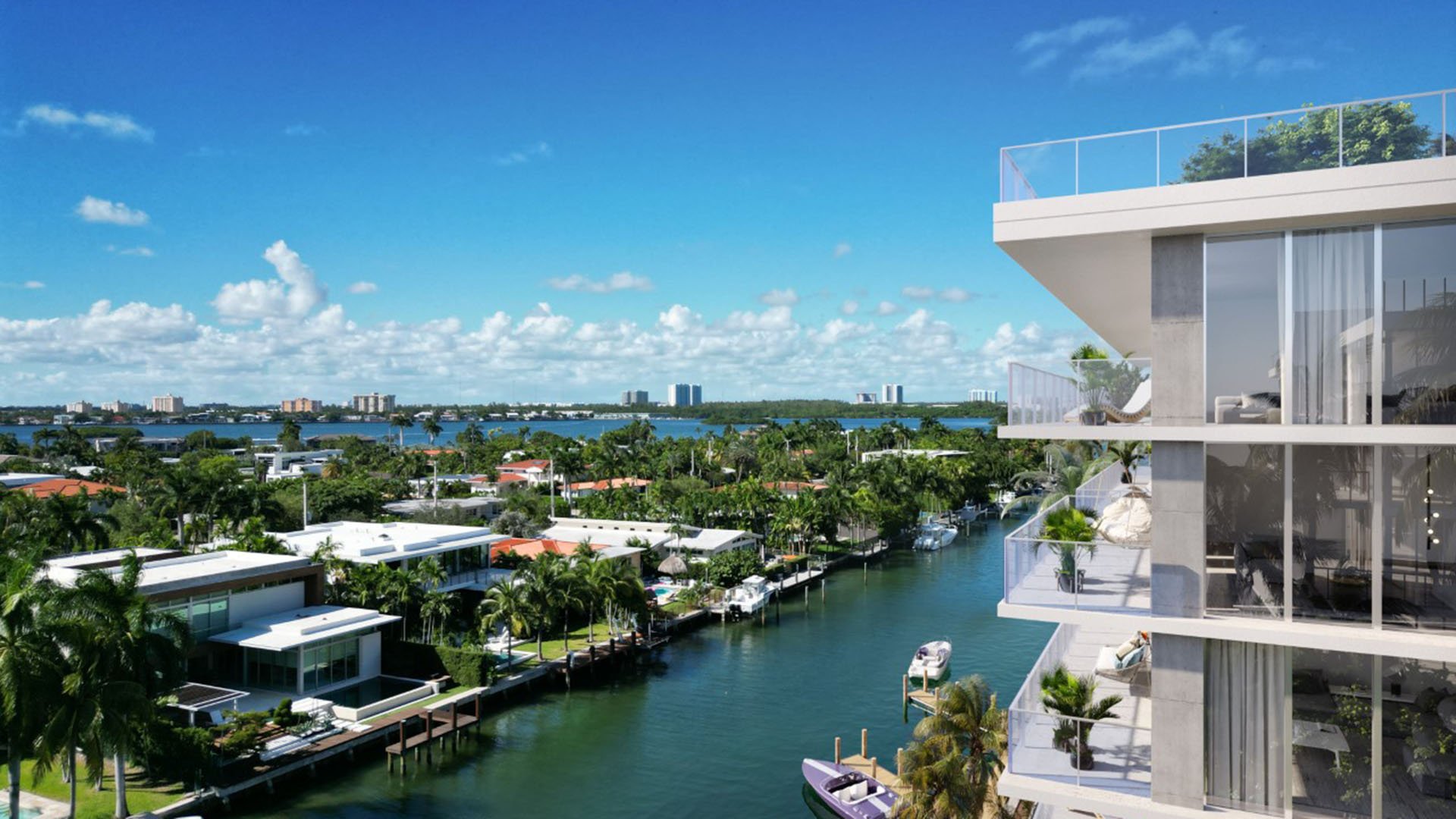
A Bay Harbor Islands residence can be both a personal retreat and a consequential family asset. For a household based in Tokyo, the purchase decision extends beyond which apartment to acquire. It is how the residence should be owned, occupied, insured, and eventually transferred without allowing one document to undermine another.
The strongest starting point is a written brief for the family’s advisers: intended use, proposed occupants, ownership preferences, financing expectations, and succession objectives. For a family comparing Bay Harbor Islands with Bal Harbour, that discipline should remain consistent across the shortlist. Architecture may influence the choice of address; it should not substitute for an ownership plan.
Treat the following as a coordination framework, not a determination of Florida homestead eligibility, Japanese tax exposure, or insurance coverage.
First, distinguish the home the family wants from the legal status advisers can support. Ask Florida counsel to evaluate the intended occupancy and circumstances before incorporating homestead assumptions into a trust or deed. A Tokyo address alone should be the basis for neither promising protection nor dismissing the need for analysis.
Qualifying Florida homestead protection generally shields a residence from forced sale by most judgment creditors. It does not protect against every claim. Nor does a discussion of constitutional creditor protection fully answer tax or succession questions.
For a buyer considering Origin Bay Harbor Islands, the same review belongs alongside property diligence. The 27-residence condominium at 9740-9760 West Bay Harbor Drive had a $30.5 million construction loan publicly disclosed in June 2025. That financing milestone provides historical context, not confirmation of present delivery or acceptance of a particular ownership structure.
A properly drafted revocable living trust can hold a qualifying Florida primary residence without sacrificing constitutional homestead creditor protection. The operative phrase is properly drafted. Trust language should preserve the settlor’s possessory interest, including occupancy rights; a standard revocable trust should not be assumed to achieve the intended result.
Ask counsel to review the proposed deed and trust together. The practical questions are precise: Who will hold title? What rights will the intended resident retain? Who may act if that person becomes unable to manage the property? What succession provisions apply when the owner dies?
Ordinary LLC or corporate ownership is not interchangeable with individual or qualifying trust ownership when homestead protection is a priority. Evaluate an entity against the family’s actual objectives, rather than selecting it merely because it sounds more private or sophisticated.
Before committing to a structure, request transaction-specific confirmation from the relevant seller, lender, and condominium representatives. Neither market conditions nor a project’s positioning establishes acceptance of trust or entity ownership.
Bay Harbor Islands combines substantial historical price growth with a more measured recent sales pace. By June 2024, closed condominium prices had increased approximately 60% since 2021, while average price per square foot had risen about 58%. These are dated market observations, not current valuations for an individual residence.
The broader condominium and townhome market recorded 28 sales in Q4 2025, with a median sale price of $767,500, up 25.8% year over year. It also recorded 168 active listings, 20.8 months of supply, and a median of approximately 161 days to contract. Those figures should not be mistaken for a profile of new luxury waterfront inventory alone.
For a buyer evaluating La Maré Bay Harbor Islands, keep project-specific evidence separate from market averages. Its 33-residence Regency Collection had $55.7 million in construction financing announced on January 6, 2025. Neither that announcement nor broader inventory levels establishes customized closing terms or legal flexibility.
Insurance requires a coordinated review; selecting a trust does not settle coverage questions. Ask a licensed insurance adviser to examine the proposed owner, actual occupants, intended use, and property documents before recommending coverage.
Request a written explanation of which interests and risks the proposed policies would address, which exclusions or deductibles deserve attention, and whether the ownership arrangement requires particular policy wording. Ask the adviser to compare the condominium’s insurance documents with the proposed residence coverage, rather than relying on a general description of either.
The same discipline applies at The Well Bay Harbor Islands, whose construction description included an eight-story building with 54 condominiums and a separate four-story, 102,000-square-foot office component. That physical description is not an insurance determination. Request documents for the actual property and ownership arrangement under consideration.
Do not select a universal coverage limit or an insurance-based estate strategy from the purchase price alone. Seek tailored recommendations before relying on protection.
Florida homestead restrictions on transfers at death require particular attention when a spouse or minor children survive. Trust succession provisions must be considered in that context; the trust’s beneficiary language should not be assumed to settle every question.
For the Tokyo-based household, commission coordinated advice from appropriately qualified U.S. and Japanese advisers. Ask them to address potential estate and inheritance taxation, any applicable treaty analysis, and the relationship between existing Japanese documents and proposed Florida documents. These are matters for individualized advice, not promised benefits of a Florida trust.
Create a shared document inventory for review: existing wills and trusts, proposed deed language, documents addressing incapacity, and the family’s intended succession instructions. Ask counsel whether any provisions conflict, whether revisions are advisable, and what execution or translation arrangements may be necessary.
The objective is not identical paperwork in two jurisdictions. It is a plan whose parts have been reviewed together.
Before closing, assemble a concise file recording the approved vesting approach, reviewed trust provisions, insurance recommendations, succession questions resolved by counsel, and any transaction approvals obtained. Distinguish final documents clearly from working drafts.
Assign responsibility for retaining signed documents and arranging future reviews. Ask advisers when changes in occupancy, family circumstances, ownership, or intended use should prompt another assessment. A residence strategy should remain clear to the people expected to carry it forward.
The most discreet form of luxury is clarity: knowing why the home is held as it is, who can act for it, and which questions have received professional attention.
Explore Bay Harbor Islands residences with MILLION while your advisers coordinate the ownership plan around your family.
If branded residences are on your mind — as a home or as an allocation — we would be glad to share what we are seeing, privately.
Begin a quiet conversationA properly drafted revocable living trust can hold a qualifying Florida primary residence without losing constitutional homestead creditor protection. Counsel should review eligibility and the trust’s specific provisions.
Preserving the settlor’s possessory interest, including occupancy rights, is important to the homestead analysis. A generic revocable trust should not be assumed to provide the intended protection.
No. Qualifying protection generally shields the residence from forced sale by most judgment creditors, but it is not blanket protection against every claim.
No. Ordinary LLC or corporate ownership is not interchangeable with individual or qualifying trust ownership when Florida homestead protection is a priority.
No eligibility conclusion should be drawn from the purchase alone. Florida counsel should evaluate intended occupancy and the buyer’s circumstances.
Florida homestead restrictions on transfers at death require attention, particularly when a spouse or minor children survive. Trust beneficiary language should be reviewed in that context.
Ask the adviser to review the proposed owner, occupants, intended use, condominium insurance documents, and proposed residence coverage. Request property-specific explanations of coverage, exclusions, deductibles, and ownership wording.
Do not assume it does. Qualified U.S. and Japanese advisers should evaluate potential taxation, applicable treaty questions, and coordination of succession documents.
No. The 28 sales and $767,500 median sale price cover the broader Bay Harbor Islands condominium and townhome market, not exclusively new luxury waterfront residences.
No. Inventory levels do not establish that a seller, lender, or condominium association will accept a particular ownership structure or customized closing terms.