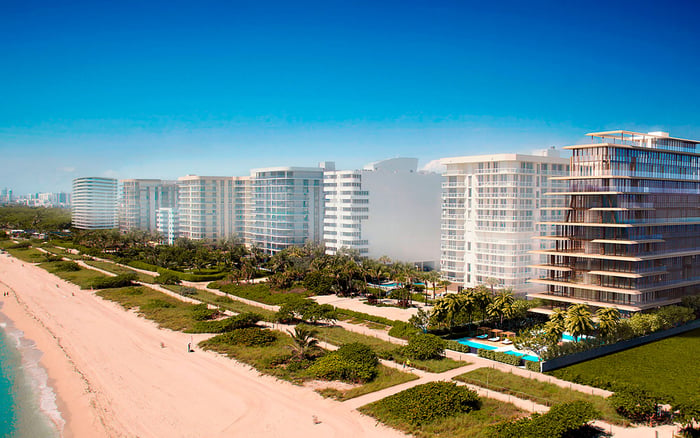
A Sydney sale and a Surfside purchase should share a funding strategy, not an assumed settlement date. Separate deposits, closing funds, and reserves, verify any bridge facility, and prepare evidence of liquidity before committing to the Florida timetable.
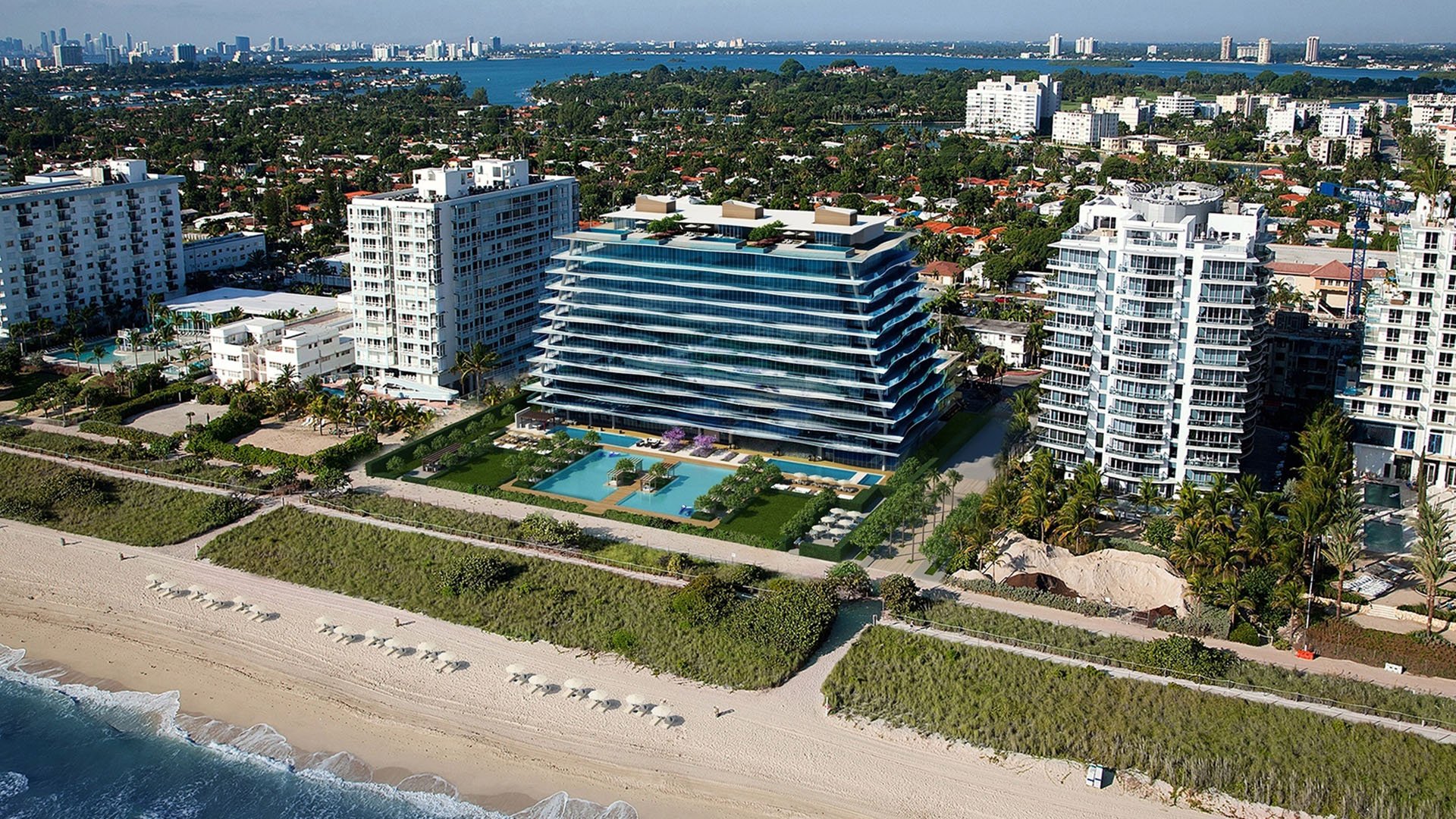
Moving from Sydney to Surfside is a residence decision with a treasury problem beneath it. The critical number is not simply the Sydney sale price, but the money available-in the required currency and account-when each Florida obligation falls due.
A shortlist that includes The Surf Club Four Seasons Surfside can begin with lifestyle preferences. The offer strategy should begin with a funding calendar. Sydney settlement, proceeds release, currency conversion, transfer, and verification are separate events. Treating them as a single moment leaves little room for delay.
The governing principle is straightforward: anticipated proceeds are not cleared purchase funds. Align the residence search with the earliest defensible funding date, rather than asking the banking arrangements to catch up after signing.
For an existing residence purchase, broad Miami planning ranges are approximately 30-45 days for cash and 45-60 days with financing. These are neither Surfside-specific rules nor guaranteed deadlines. The executed contract, lender, closing agent, and any association requirements control the timetable.
A Florida single-family cash purchase without an association can sometimes close in 10-21 days when title, funds, notarization, and recording arrangements are ready. That narrower scenario should not become the default assumption for a condominium acquisition.
When evaluating Arte Surfside, ask the advisers handling the transaction to establish its actual milestones before proposing dates. The calendar should distinguish the contract deposit deadline from the closing date and identify any intervening requirements.
International wires may take 2-5 business days to arrive and clear; compliance reviews can add time. That window covers only part of the sequence. Allow separately for the release of Sydney proceeds and currency conversion. Settlement in Australia does not mean dollars are immediately available in Florida.
A useful planning document separates money by purpose rather than presenting a single balance.
The contract deposit:
Identify funds that can reach escrow by the contractual receipt deadline. If the Sydney sale has not settled, do not assign its anticipated proceeds to this obligation. Initiate overseas transfers several days before the required receipt date, with the closing agent confirming the arrangements.
The closing balance:
Identify the funds needed to complete the purchase, including transaction costs confirmed by the closing team. Map the originating account, conversion step, receiving account, and final wire. Obtain the actual dollar requirement rather than estimating it from the advertised price alone.
Post-closing reserves:
Keep lender-required reserves separate from money earmarked for escrow. Foreign-buyer lending parameters may include 25-35% down payments and 6-12 months of principal, interest, taxes, and insurance reserves, depending on the lender and borrower.
Some foreign-national programs require reserves in a U.S. FDIC-insured bank account with approximately 30-60 days of seasoning. Sufficient overall wealth does not necessarily eliminate the time needed to satisfy a particular program.
There are three useful planning approaches: sell first and purchase with cleared proceeds; commit to the purchase using independently available liquidity; or investigate temporary financing to cover a defined gap. Test each against the deposit, closing balance, and reserves separately.
Selling first reduces reliance on the Sydney transaction completing before a Florida deadline. Buying with existing liquidity separates the purchase from the sale timetable, provided those funds are genuinely available. Evaluate a bridge as a specific financing proposal, not a general promise that an asset-rich balance sheet can resolve a timing gap.
Before relying on temporary borrowing, obtain written confirmation of the borrower, acceptable collateral, available proceeds, funding conditions, repayment terms, and costs. Confirm with any purchase lender how the borrowing affects approval and reserves. Confirm with the closing agent how the proceeds must be documented and delivered.
Do not assume Sydney property collateral or securities-backed borrowing will be accepted, or treat an indicative discussion as funded liquidity. The prudent test is whether the facility can meet the relevant obligation even if Sydney settlement is delayed.
Proof of funds and source of funds answer different questions. The first demonstrates available liquidity; the second explains its origin. A credible purchase file should address both.
Common proof-of-funds documents include recent bank statements showing liquid funds or an official bank letter identifying the account owner, institution, balance, and issuance date. Aim for documents dated within 30 days where possible, and confirm what the recipient accepts.
For a prospective purchase at Fendi Château Residences Surfside, prepare that evidence alongside the offer strategy-not after selecting a deadline. A future sale price should not be presented as a current liquid balance.
After the Sydney sale, a certified settlement statement can help substantiate the origin of the proceeds. Preserve the supporting account records showing their movement. Depending on the funds involved, reviewers may request several months of statements and additional property-sale, tax, inheritance, or business-sale documents. Refresh the liquidity evidence as the money changes accounts.
Establishing a U.S. banking relationship several months before closing can help accommodate incoming proceeds, reserve requirements, and the final wire. Foreign-national mortgage pre-approval may take approximately 2-6 weeks while overseas income, assets, liabilities, identity, and supporting records are reviewed. Start that work before relying on a financed closing schedule.
If Ocean House Surfside is under consideration, distinguish the specific contract's deposit and completion obligations from general cash or mortgage planning ranges. Confirm the transaction's structure rather than carrying over assumptions from another residence.
Before wiring, verify the permitted originating account. The closing agent may require funds from an account in the purchaser's legal name and may delay or reject third-party transfers. Confirm escrow instructions by telephone using a known number from the title company's official materials, not email alone.
Florida purchases can generally be completed remotely through electronic contracts, wires, and closing arrangements coordinated by a title company or attorney. That team generally handles title examination, escrow, applicable title insurance, and deed recording. Confirm signing and notarization arrangements early.
Also establish the seller's foreign-person status. FIRPTA generally makes the buyer the withholding agent when acquiring U.S. real property from a foreign seller, with withholding generally at 15% of the amount realized, subject to exceptions and special rules. The buyer's Australian nationality is not the trigger. Form 8288 is generally due by the 20th day after disposition, although a timely withholding-certificate application can change reporting and payment timing. Have the closing and tax advisers resolve the applicable treatment.
The strongest sequence makes every obligation visible before it becomes urgent: documented liquidity, accepted accounts, realistic transfer time, and a contingency for delayed sale proceeds.
For a discreet conversation about aligning your Surfside residence search with your purchase timetable, connect with MILLION.
If branded residences are on your mind — as a home or as an allocation — we would be glad to share what we are seeing, privately.
Begin a quiet conversationBroad Miami planning ranges are 30–45 days for cash purchases and 45–60 days with financing. The contract, lender, closing agent, and any association requirements determine the actual schedule.
Do not assume same-day availability. Proceeds release, currency conversion, international transfer, and verification each need room in the schedule.
International wires may take 2–5 business days to arrive and clear. Compliance or source-of-funds reviews can add delays.
Yes, distinguish the contract deposit, closing balance, and post-closing reserves. Money committed to escrow should not also be treated as available reserves.
Recent bank statements showing liquid funds or an official bank letter identifying the account owner, institution, balance, and issuance date are common forms. The recipient determines what is acceptable.
Aim for documents dated within 30 days where possible. Confirm the recipient's requirements and refresh the evidence as funds move between accounts.
A certified settlement statement can help establish the origin of the proceeds. Supporting bank statements and other records may also be requested.
No, acceptance of Sydney collateral or securities-backed borrowing should not be assumed. Verify the specific facility's terms, funding conditions, and compatibility with the purchase lender and closing arrangements.
Pre-approval may take approximately 2–6 weeks, and some programs require 30–60 days of reserve seasoning. Starting banking and lending work several months before closing can help accommodate those requirements.
No, FIRPTA turns on the seller's foreign-person status, not merely the buyer's nationality. When it applies, the buyer is generally the withholding agent, subject to exceptions and special rules.