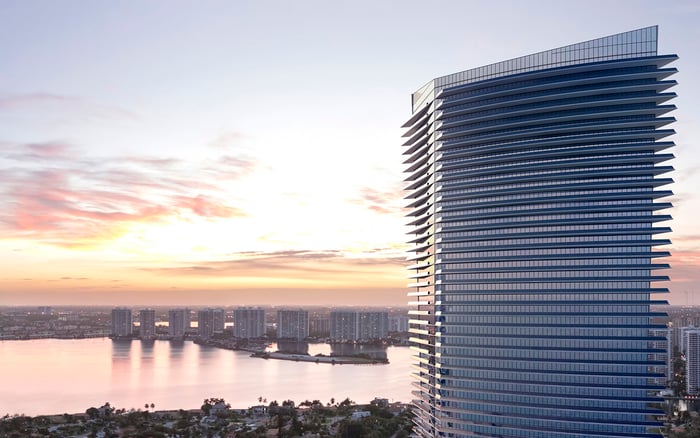
A discreet cash acquisition deserves rigorous building-level review. Keep structural findings, reserve funding, repair completion, and transaction privacy separate, then reconcile them before proceeding to closing and recording.

An off-market cash purchase should be quiet in presentation and exacting in substance. For a South Florida condominium buyer, the essential distinction is between controlling the circulation of transaction information and understanding the building being acquired. Privacy is a transaction objective, not a substitute for structural or financial review.
Before making an offer, ask counsel to organize two parallel workstreams: transaction confidentiality and property diligence. The first should define who needs information and how it will be shared. The second should establish which building documents require review before the buyer is comfortable proceeding. These are practical recommendations, not a prescribed legal sequence.
A Miami Beach shortlist that includes Apogee South Beach deserves the same document-first discipline as any other address under consideration. Neither a private introduction nor a cash offer justifies leaving important questions unanswered.
Ask counsel to recommend an offer structure that gives the team a meaningful opportunity to examine association records and unresolved work. Do not assume an informal promise to supply documents later provides adequate protection. Have counsel clarify what the proposed agreement allows if material information remains unavailable or raises concerns.
Structural inspection reports and reserve studies form part of a condominium association’s official records and must be provided to prospective purchasers. Request complete documents, not merely confirmation that an inspection occurred.
For a practical review package, seek the milestone inspection, SIRS, current budget, reserve schedule, financial statements, and special-assessment notices. Request available turnover materials and repair documentation separately. Maintain an index of document dates, outstanding questions, and the adviser responsible for each review. A well-organized file makes discretion compatible with rigorous scrutiny.
Florida’s milestone-inspection requirements generally cover residential condominium and cooperative buildings with three or more habitable stories. The initial inspection is generally due by December 31 of the year the building reaches 30 years of age, subject to applicable statutory exceptions and local requirements. Subsequent inspections generally recur every 10 years.
Establish the building’s age through the certificate of occupancy and applicable building records, not marketing language. The inspection must be performed by a Florida-licensed architect or engineer and evaluates structural condition and life safety, including whether substantial structural deterioration exists.
For a Surfside search that includes Arte Surfside, verify applicability and timing for the actual building rather than drawing conclusions from appearance or positioning. This is a review principle, not a statement about that property’s inspection status.
Crucially, a milestone inspection neither replaces a unit inspection nor establishes whether the association can finance needed repairs.
A Structural Integrity Reserve Study, or SIRS, addresses reserve funding for major building components, including structural and life-safety elements. Keep its purpose distinct from the milestone inspection: one concerns reserve planning; the other, structural condition.
Read the SIRS alongside the current budget, reserve schedule, financial statements, and special-assessment notices. Ask the financial reviewer to explain how the reserve plan relates to current funding and any proposed repair expenditure. A completed study is an input to analysis, not standalone financial clearance.
For a Brickell buyer considering Una Residences Brickell, the useful question is not simply whether a study exists. It is what the applicable documents, read together, reveal about the ownership commitment under consideration.
A specific coordination provision allows associations required to complete a milestone inspection on or before December 31, 2026, to complete their SIRS simultaneously. That arrangement cannot push SIRS completion beyond December 31, 2026. This is not a universal deadline for every condominium; ask counsel to verify the applicable schedule.
Treat available turnover materials as a separate review category rather than folding them into the milestone or SIRS file. Ask counsel and the technical adviser to identify each document’s scope, date, and unanswered questions. Do not assume a document’s title establishes its scope or resolves a current concern.
Where those materials identify work, compare it with later inspection findings and available repair records. The aim is a coherent account of what was identified and the evidence supporting its present status.
Do not treat the existence of turnover documentation as proof of completion, funding, or purchaser responsibility. Have the relevant adviser explain its significance, if any, for this transaction. Those conclusions require document-specific review, not a general rule about turnover.
An identified repair is not the same as a priced, funded, completed, and accepted repair. For unresolved milestone findings, review the required work and the local building official’s follow-up requirements-not merely whether an inspection took place.
Build a working repair schedule around five questions:
What condition was identified, and what work is required?
What documentation supports the proposed scope and cost?
What funding is identified in the association’s financial records?
What evidence supports the claimed completion status?
What follow-up remains with the local building official?
Ask counsel to address responsibility for relevant costs in the proposed contract and closing documentation. Do not presume timing alone determines whether the seller or purchaser bears an expense.
For a Sunny Isles Beach search including Jade Signature Sunny Isles Beach, apply the same framework without inferring any property-specific repair issue. The discipline is universal; the findings must remain building-specific.
Before authorizing closing, request an updated review of unresolved items. Ask whether newly supplied inspection material, assessment notices, or repair documentation changes the team’s earlier conclusions. Distinguish conclusions supported by written evidence from assurances that still require verification.
Maintain a clear decision record: matters resolved, matters accepted after professional advice, and matters requiring further action. A buyer may choose to proceed with an open item but should understand precisely what remains uncertain.
For heightened privacy, ask counsel and the closing team to explain the contemplated ownership arrangement, required disclosures, recording process, and limits of confidentiality. Do not assume an off-market transaction or cash payment guarantees anonymity. Decide what information will circulate within the advisory team while preserving necessary professional access and compliance.
The objective is not a frictionless signature. It is a considered acquisition in which structural condition, reserve planning, unresolved work, and privacy expectations have each received a distinct review. This framework is practical buyer guidance, not transaction-specific legal advice.
For a discreet perspective on South Florida residential ownership, explore MILLION.
If branded residences are on your mind — as a home or as an allocation — we would be glad to share what we are seeing, privately.
Begin a quiet conversationThe requirements generally cover residential condominium and cooperative buildings with three or more habitable stories. Applicability should be checked for the specific building.
It is generally due by December 31 of the year the building reaches 30 years of age, subject to applicable statutory exceptions and local requirements. Subsequent inspections generally recur every 10 years.
Use the certificate of occupancy and applicable building records rather than marketing descriptions.
A Florida-licensed architect or engineer must perform it. The inspection evaluates structural condition and life safety, including whether substantial structural deterioration exists.
SIRS addresses reserve funding for major building components, including structural and life-safety elements. A milestone inspection concerns structural condition, not the association’s capacity to finance repairs.
No. A specific provision allows associations with milestone inspections required on or before that date to complete SIRS simultaneously, without extending SIRS completion beyond December 31, 2026.
As a practical recommendation, review the current budget, reserve schedule, financial statements, and special-assessment notices together with SIRS.
Ask counsel and a technical adviser to assess their scope, date, and relevance. Do not treat their existence as proof that repairs are completed or funded.
Review the required repairs, supporting scope and cost documentation, funding, completion evidence, and local building official’s follow-up requirements. Ask counsel to address cost responsibility in the transaction documents.
Do not assume it guarantees anonymity. Ask counsel and the closing team to explain required disclosures, recording, ownership arrangements, and the limits of confidentiality.