A buyer-focused guide to Jade Signature’s historical emergency-power provisions, the questions surrounding cooled refuge areas, and the distinctions that matter when planning a post-storm return.
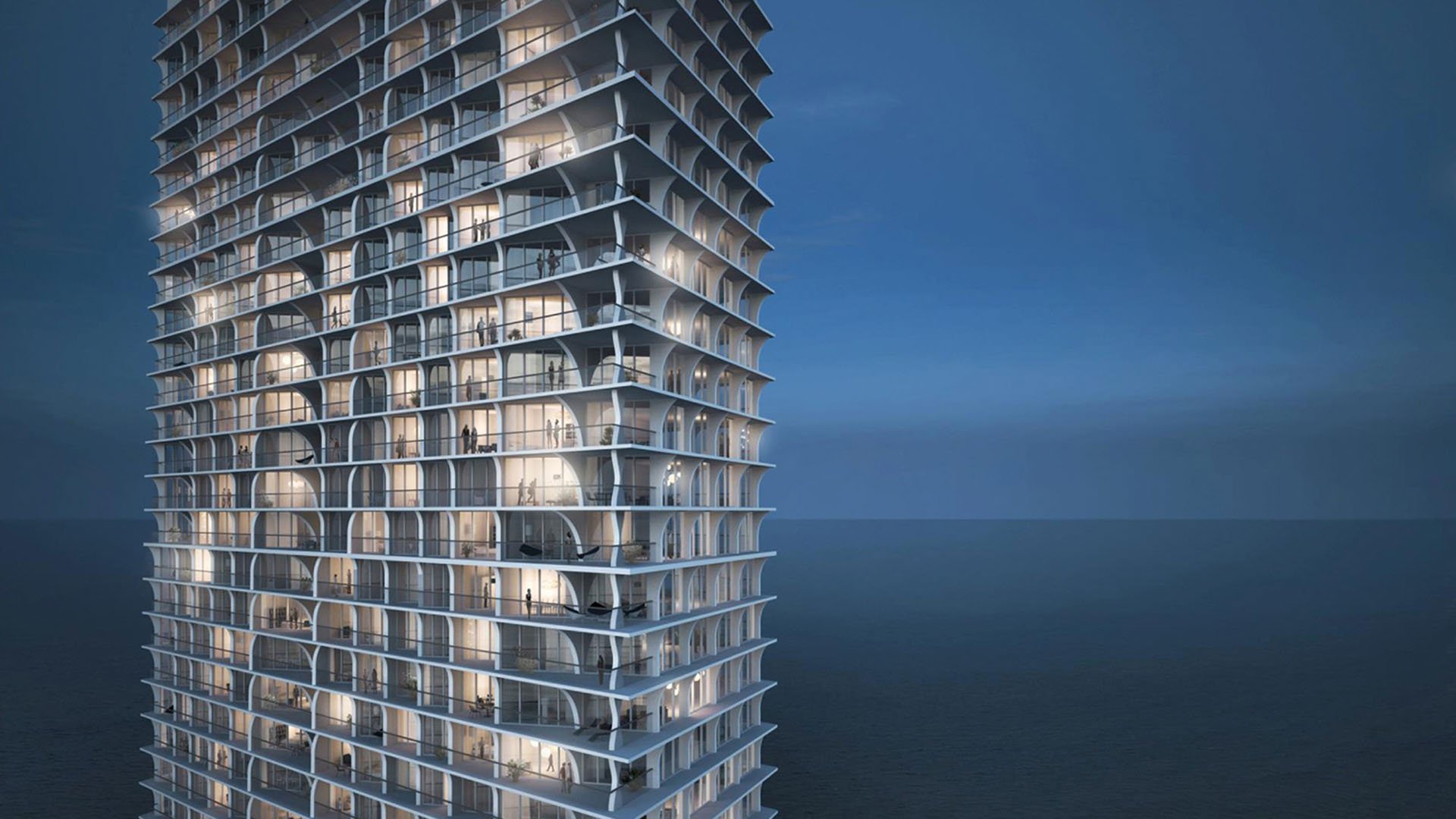
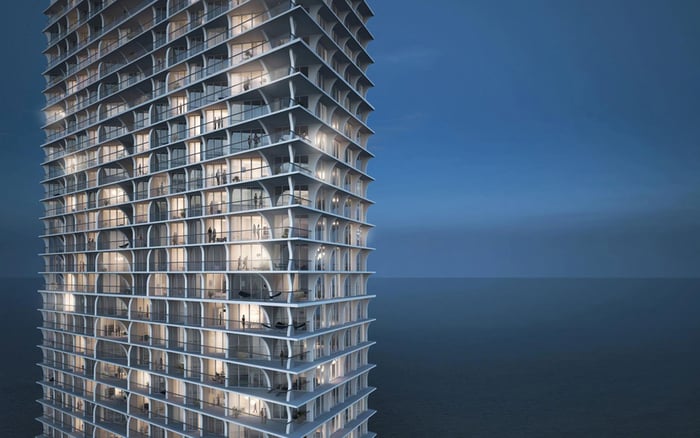
At Jade Signature Sunny Isles Beach, architectural distinction is established: the oceanfront condominium at 16901 Collins Avenue comprises 192 residences, was completed in 2018 and was designed by Herzog & de Meuron. For a purchaser, turning an exceptional address into a dependable home requires a less visible review: what remains available when utility power fails, where cooling might be accessible and when a post-storm return is permitted.
Emergency power is not the same as uninterrupted residential living. That distinction should guide both offer-stage diligence and ownership planning, particularly for households that depend on air-conditioning, refrigeration or reliable elevator access.
The operational details discussed here reflect 2019 hurricane procedures, not verified current commitments. Before relying on them, obtain the current association-approved procedures and written confirmation that they apply to Jade Signature today.
The historical emergency-power arrangement provides for a generator that starts automatically when building power fails. Its listed loads are service and designated residential elevators, common-area emergency lighting, domestic water pumps and the fire-safety system. This allocation supports essential building functions; it is not a promise to power every space or service.
Individual residences are explicitly excluded. There is therefore no promise of electricity for private air-conditioning, refrigerators, outlets or other in-unit equipment. A general reference to a building generator is not evidence that an apartment remains powered during an outage.
During the offer stage, request a current written schedule of supported loads. Ask which elevators are connected, what operating restrictions apply and whether any changes have been approved since 2019. Have the purchase team review those answers within the transaction’s available diligence period, rather than leaving them for move-in.
If your search also includes Jade Ocean Sunny Isles Beach, ask the same questions there, but obtain that building’s own answers. Neither a shared name nor a location establishes equivalent emergency-power arrangements.
Domestic water pumps are among the historical generator-supported loads. That connection can support water service during an outage, subject to fuel availability and operational restrictions. It does not establish uninterrupted running water throughout a hurricane.
Under the 2019 procedures, the pumps may be manually shut down at sustained winds of approximately 45 mph. A functioning generator and a temporary loss of domestic water are therefore not necessarily contradictory conditions.
For ownership planning, ask management to explain the current shutdown and restoration protocol, including how residents receive updates. Keep the distinction precise: backup power for equipment does not establish that the equipment will remain in operation under every storm condition. Neither answer should be inferred from the other.
The historical preparation measures call for filling the generator fuel tank to capacity before landfall. For outages extending beyond three days after the storm passes, the commitment is to make “all reasonable attempts” to refuel. That language describes an effort, not a guaranteed delivery.
Nor does it establish three days of assured generator operation. A refueling provision is not a tested runtime statement, a fuel-capacity specification or a firm replenishment window.
Request the current tank capacity, expected runtime at stated loads and refueling arrangements in writing. Ask what contingency applies if deliveries cannot be made. These are separate questions; an answer to one should not substitute for the others.
The stakes extend beyond convenience. Under the historical procedures, government or fire authorities may require evacuation if fuel cannot be obtained and emergency power can no longer support fire-safety systems. A generator should never be treated as permission to disregard evacuation instructions.
The historical emergency-power provisions establish neither a designated, generator-cooled refuge area nor guaranteed common-area air-conditioning during an outage. No lounge, lobby or amenity should be treated as an assured cooling destination on that basis.
This does not prove that no current cooling arrangement exists. It means buyers need a specific, current answer before building household plans around one. Ask whether a designated location exists, whether its cooling equipment is generator-supported, who may use it and what capacity, access and duration limits apply.
Households with heat-sensitive occupants should also request any current heat-vulnerability protocol. Until an arrangement is confirmed, alternative lodging belongs in the ownership plan rather than being left to an improvised response.
For a buyer considering Turnberry Ocean Club Sunny Isles alongside Jade Signature, the comparison should rest on documented provisions, not assumptions about amenity quality. These historical details establish no cooling or backup-power commitments at another property.
Under the 2019 procedures, management may secure selected entrance and exit doors once a Hurricane Warning is issued. Elevator access to particular floors may be restricted, and garage entry or exit may be limited when storm surge is a concern. Residents are advised not to enter or leave during the storm, both for safety and to reduce water intrusion.
Designated ingress and egress doors are to be identified by signage before and after the storm. Doors secured under the hurricane protocols remain locked until a recognized authority lifts the warning.
Lifting the warning does not, by itself, establish that residents can return to the barrier island or occupy their homes. Officials may prevent residents from returning for several days after a major storm, initially admitting only essential emergency personnel.
Treat the return as three separate questions: have authorities permitted island access, has management confirmed usable building access, and has residential occupancy been cleared? No Jade Signature-specific post-storm inspection or occupancy-clearance timetable is established here. Do not schedule a return solely around the end of a warning.
An absentee owner needs a practical communication and access plan. Confirm how management will distribute updates, who in the household will receive them and how an authorized representative should request access once restrictions are lifted.
Vendor entry, private-unit inspections and alternative lodging remain planning questions, not services or timelines promised by the historical procedures. Ask what authorization a caretaker would need and when an inspection could be arranged. Assume neither immediate access nor a guaranteed appointment.
The objective is not to demand certainty that storm conditions cannot provide. It is to distinguish documented building capabilities from household responsibilities. Before closing, assemble current answers on generator loads, water restrictions, fuel, cooling and re-entry, then align your personal arrangements with those limits.
For a considered approach to South Florida ownership, explore MILLION.
If branded residences are on your mind — as a home or as an allocation — we would be glad to share what we are seeing, privately.
Begin a quiet conversationJade Signature is an oceanfront condominium with 192 residences at 16901 Collins Avenue in Sunny Isles Beach. It was completed in 2018 and designed by Herzog & de Meuron.
They reflect 2019 hurricane procedures, not verified current operating commitments. Obtain the current association-approved version and confirm its applicability before relying on these details.
The historical procedures list service and designated residential elevators, common-area emergency lighting, domestic water pumps and the fire-safety system. They also describe automatic generator startup when building power fails.
The 2019 provisions explicitly exclude individual residences. They do not promise backup electricity for private air-conditioning, refrigerators, outlets or other in-unit equipment.
Yes. The historical procedures allow domestic water pumps to be manually shut down at sustained winds of approximately 45 mph, despite their generator connection.
No. The provision for reasonable refueling attempts during outages extending beyond three days after the storm passes establishes neither guaranteed runtime nor a firm delivery window.
The historical provisions do not establish a designated cooled refuge or guarantee common-area air-conditioning. Request current written confirmation of any cooling arrangement and its limits.
Government or fire authorities may require evacuation if fuel cannot be obtained and emergency power can no longer support fire-safety systems.
Not necessarily. Warning clearance does not establish island access or residential occupancy clearance, and officials may restrict return to the barrier island for several days after a major storm.
Ask about authorized representative access, vendor entry and arrangements for inspecting the private residence. The historical procedures do not establish guaranteed inspection services or a Jade Signature-specific occupancy-clearance timetable.