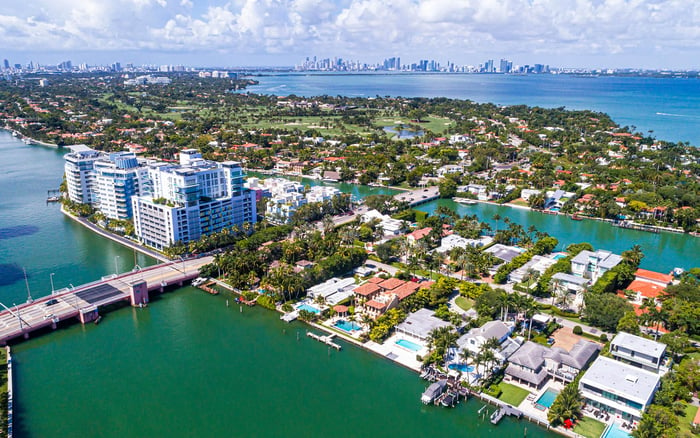
A disciplined Key Biscayne purchase begins by coordinating contract review, intended ownership, deposit timing, financing plans, and Seattle-based liquidity before closing.

For a Seattle family purchasing in Key Biscayne, preparation should begin before the contract is signed. The proposed agreement should be reviewed together with the planned ownership structure, deposit funding, financing strategy, and closing timeline.
Start by reconciling three details: the buyer named in the agreement, the person or entity expected to hold title, and the accounts expected to fund deposits and closing. If those elements do not align, the family should ask its Florida real-estate attorney what must be addressed before execution.
This planning is especially important when funds may come from securities sales, business distributions, multiple accounts, or a lending facility. A move may evolve over time, but the transaction should be managed according to the executed documents and advice from the appropriate professionals.
A buyer should not assume that an individual purchaser can be replaced later by an LLC, trust, or family entity. Assignment rights and restrictions should be identified in the proposed contract, with counsel confirming whether consent, additional documentation, or revised terms may be needed.
The family should also distinguish between permission to assign and the documents required to complete a proposed change. Before signing, ask counsel to explain whether the original buyer could retain obligations after an assignment and whether a change in buyer could affect financing, title work, or closing logistics.
If the intended ownership vehicle has not been established, document the preferred structure and a backup plan. Estate-planning, tax, lending, and title questions should be directed to the relevant advisers rather than resolved through assumptions about the purchase agreement.
Create a single calendar covering the expected contract date, deposits, financing milestones, planned transfers, internal approval steps, and closing funds. Each obligation should be paired with a proposed funding source, an authorized signer, and an earlier family decision date.
The calendar should account for practical steps such as moving funds between accounts, completing lender requests, and confirming wire procedures with the closing professional through independently verified contact information. Families expecting liquidity from a securities transaction or business distribution should discuss timing and contingencies with their financial, tax, legal, and lending advisers.
If the funding plan changes, raise the issue promptly. Counsel can review the agreement and advise whether a written request, amendment, or other response should be considered. The family should not rely on an informal conversation to revise a documented obligation.
Financing expectations should be compared directly with the proposed contract. Confirm the planned loan structure, the lender's requested materials, the relevant review periods, and the party responsible for monitoring each milestone.
Use internal decision dates that precede the dates shown in the agreement. This gives the family and its advisers time to assess an inspection result, financing development, ownership change, or liquidity issue and then determine the appropriate response.
Property comparisons can continue without displacing the Key Biscayne transaction plan. Families may benchmark island living against The Ritz-Carlton Residences® Miami Beach, The Village at Coral Gables, or Una Residences Brickell, but every active purchase should have its own document and funding checklist.
A concise control sheet can keep the Seattle family, attorney, lender, title professional, and financial advisers aligned. It should identify the proposed buyer, intended title holder, assignment questions, planned deposit sources, financing contacts, closing-fund source, authorized signers, and all dates requiring attention.
For an Oceana Key Biscayne purchase or another residence on the island, the control sheet should remain transaction-specific. Update it whenever the ownership plan, lender, funding source, or timing changes, and ask the appropriate professional to evaluate any effect on the documents or closing process.
The objective is not to predict every development. It is to identify decisions early, assign responsibility, and prevent an internal family plan from drifting away from the transaction documents.
When should a Seattle family begin contract review for a Key Biscayne purchase? Review should begin before signing so the family can align the proposed agreement with its ownership, funding, and financing plans.
Why does the buyer name require early attention? The named buyer should be compared with the person or entity intended to take title, and any mismatch should be discussed with Florida counsel.
Can a buyer assume the contract may be assigned later? No assumption should be made. The proposed agreement should be reviewed for its specific assignment language and related requirements.
How should a planned LLC or trust be handled? Share the intended structure with the family's legal, tax, estate-planning, lending, and title advisers before execution whenever possible.
What belongs on a liquidity calendar? Include deposits, closing funds, planned asset transactions, transfers, lender milestones, authorized signers, and internal decision dates.
What should the family do if expected liquidity changes? Notify the relevant advisers promptly and ask Florida counsel to review the agreement before deciding how to proceed.
How should financing plans be coordinated with the contract? Compare the proposed loan structure and lender timeline with the written agreement, then assign responsibility for each required step.
Why use internal dates ahead of transaction dates? Earlier internal dates create time to review new information, obtain advice, and prepare an appropriate response.
Can property comparisons share one transaction checklist? A general family checklist may help, but each active purchase should have its own documents, dates, funding plan, and responsible contacts.
Who should participate in the pre-closing review? Depending on the family's circumstances, the team may include a Florida real-estate attorney, lender, title professional, financial adviser, tax adviser, and estate-planning counsel.
For a confidential assessment and a building-by-building shortlist, connect with MILLION.
If branded residences are on your mind — as a home or as an allocation — we would be glad to share what we are seeing, privately.
Begin a quiet conversation