A disciplined Brickell closing review connects building condition, reserve assumptions, committed funding, and repair timing. Treating major systems as one capital plan helps buyers distinguish a documented ownership obligation from an unresolved financial exposure.
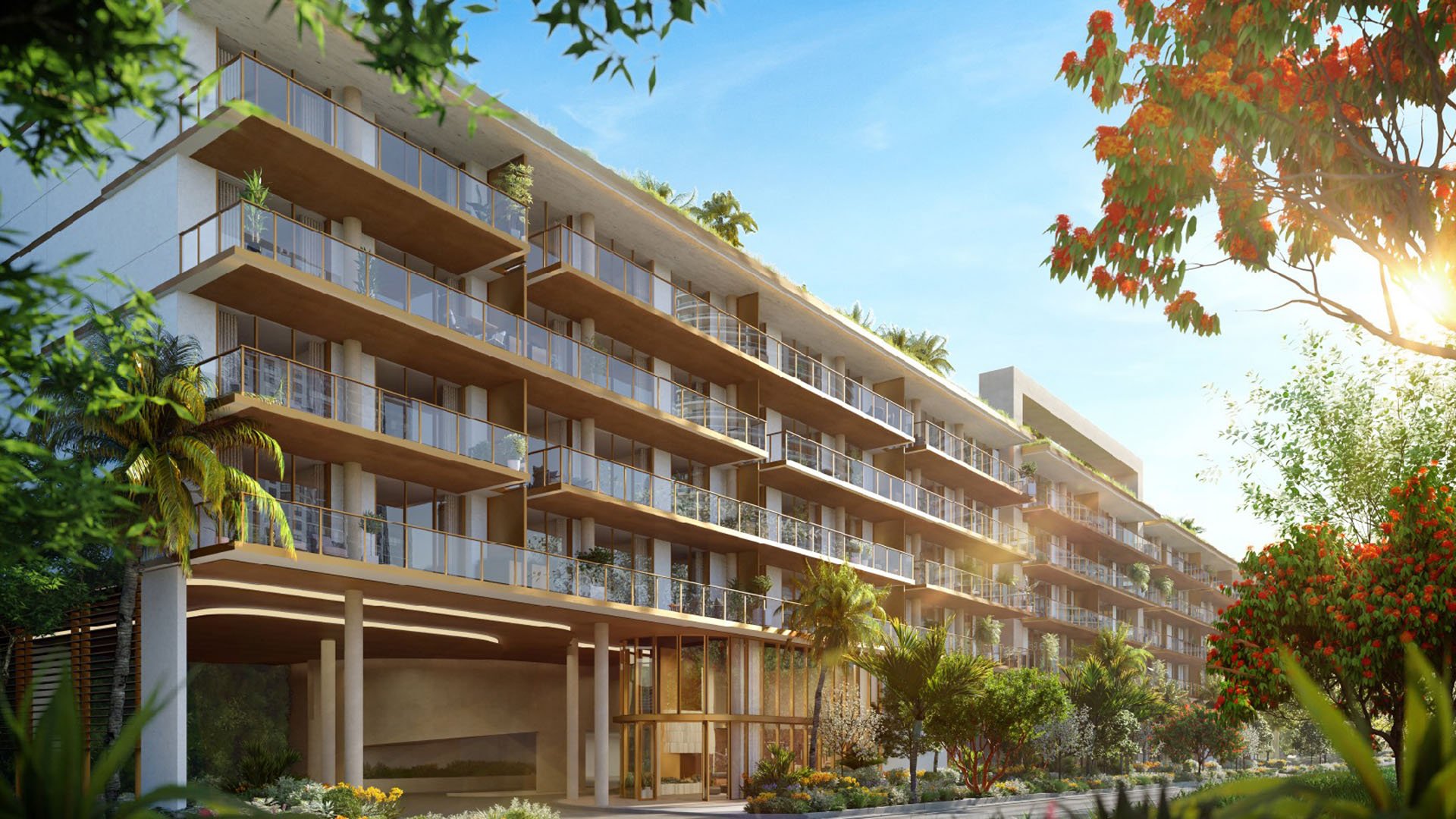
In Brickell, closing readiness extends beyond finishes, outlook, and floor plan. The more consequential question is whether the building’s major systems have a coherent financial future. A roof approaching replacement, façade work awaiting definition, and plumbing renewal scheduled further out should be evaluated together-not treated as unrelated maintenance matters.
Florida’s Structural Integrity Reserve Study, or SIRS, connects covered components’ remaining useful lives and estimated costs to a reserve-funding schedule. For a buyer, that relationship matters more than a reserve balance in isolation. Cash held today must be measured against the work expected tomorrow.
Whether a search includes 2200 Brickell or another address, apply the same discipline to the transaction documents. A project name does not establish inspection status, funding adequacy, or future assessment exposure. Those conclusions require building-specific evidence.
Florida condominium buildings with three or more habitable stories generally require a SIRS at least every 10 years. The study must identify inspected components, estimate remaining useful lives and replacement costs or deferred-maintenance expenses, and provide a funding schedule with a recommended annual reserve contribution.
Request the complete study and compare its recommendations with the association’s current budget and funding decisions. Examine the assumptions behind each major expenditure: when the work is expected, what scope the estimate covers, and whether adopted contributions follow the recommended schedule. Where documents disagree, request a written reconciliation rather than a verbal assurance.
A SIRS is a reserve-planning exercise based on visual inspection. It neither guarantees that the building is defect-free nor replaces a structural life-safety inspection. Its value at closing lies in an organized view of anticipated obligations, supported by assumptions that warrant careful examination.
Required categories include the roof and structural systems, including load-bearing walls and primary structural members. Plumbing, electrical systems, and fireproofing and fire-protection systems also belong in the review. Waterproofing, exterior painting, windows, and exterior doors should not be dismissed as decorative expenses.
Façade work deserves particular attention because it may span several categories rather than appear under a single heading. Ask whether the relevant scope is captured within structural work, waterproofing, exterior painting, or windows. The aim is to avoid overlooking an obligation because its description varies across documents.
Additional qualifying items must be included when their failure could adversely affect covered components, subject to the statute’s cost threshold and other conditions. The broader capital and deferred-maintenance budget also matters, including items such as pavement resurfacing.
For a buyer considering Una Residences Brickell, the useful question is not whether a reserve line sounds substantial. It is whether the available documents account for the relevant building obligations and their timing. This is a diligence standard, not a statement about that project’s condition.
A consolidated schedule turns a collection of documents into a usable closing review. It is a buyer’s diligence tool, not a prescribed statutory form. Give each major component a separate row and use the following fields:
Condition: Record the documented condition and any unresolved findings.
Remaining useful life: Carry forward the study’s estimate and flag conflicting assumptions.
Estimated cost: Identify the covered scope and the date of the estimate.
Committed funding: Separate cash held from approved assessments and financing.
Funding gap: Identify the unresolved amount or funding decision, without double-counting shared funds.
Permitting status: Request confirmation where permits are relevant to planned work.
Target completion date: Distinguish an adopted schedule from a preliminary expectation.
Ask the association and appropriate advisers to reconcile this schedule with the funding plan. The exercise should reveal whether several obligations converge within the same period and whether available funds are expected to cover that sequence. A substantial total reserve balance cannot answer those questions on its own.
A milestone inspection evaluates structural life safety and the adequacy of load-bearing elements and primary structural systems. The framework generally covers residential condominium and cooperative buildings at least three habitable stories high, including mixed-ownership buildings.
The initial inspection generally occurs at 30 years. A local enforcement agency can require inspection at 25 years because of environmental conditions, including proximity to salt water; subsequent inspections recur every 10 years. Brickell buyers should verify the actual trigger and official notices rather than assume a coastal address automatically creates a 25-year deadline.
If Phase 1 identifies substantial structural deterioration, Phase 2 is required to assess affected areas more fully and establish repair recommendations. Review those findings separately from the funding schedule. Structural findings do not establish that repairs are funded; a funded reserve plan does not establish that a building is defect-free.
When comparing The Residences at 1428 Brickell with other options, maintain that distinction and confirm which requirements apply to each transaction.
Reserve funding can involve regular assessments, special assessments, loans, and lines of credit under applicable statutory conditions. These are not interchangeable forms of readiness. Cash already held differs from proposed borrowing, and approved financing must be distinguished from financing still under discussion.
Request documentation of the relevant approvals, payment schedules, and outstanding obligations. Compare them with the component schedule and ask how the association expects to meet each expenditure when it comes due. If the answer depends on a future decision, mark that decision as unresolved in the closing review.
The same approach applies when evaluating Cipriani Residences Brickell: establish the transaction’s applicable documentation and obligations without inferring financial readiness from presentation or branding.
For qualifying associations existing on or before July 1, 2022, the general initial SIRS deadline was December 31, 2025. A conditional extension linked to milestone-inspection timing can apply, but the statute specifies an outside date of December 31, 2026. Confirm deadlines, exceptions, funding rules, and enacted amendments as of the transaction date; a filed bill is not enacted law.
Finally, obtain written agreement on pending assessments and payment responsibility. Do not assume a universal buyer-versus-seller allocation. Have counsel align the contract language with the identified obligations, their approval status, and payment timing.
The objective is informed ownership: a residence selected with a clear understanding of the building’s condition, capital needs, and funding commitments.
For a considered perspective on your next Brickell residence, explore MILLION.
If branded residences are on your mind — as a home or as an allocation — we would be glad to share what we are seeing, privately.
Begin a quiet conversationIt connects covered components’ estimated remaining useful lives and costs to a reserve-funding schedule. Reviewing the full study helps a buyer understand anticipated capital obligations.
Florida condominium buildings with three or more habitable stories generally require a SIRS at least every 10 years. Confirm the requirements applicable to the specific building.
No. It is a reserve-planning exercise based on visual inspection, not a guarantee of condition or a substitute for a structural life-safety inspection.
Façade-related work may fall within structural systems, waterproofing, exterior painting, or windows. Reviewing those categories together helps avoid overlooking relevant work.
Yes. Plumbing and electrical systems are required SIRS categories, as are fireproofing and fire-protection systems.
Include condition, remaining useful life, estimated cost, committed funding, funding gap, permitting status, and target completion date. This is a practical diligence tool, not a statutory form.
No. The initial inspection generally occurs at 30 years, but a local enforcement agency can require it at 25 years because of environmental conditions; verify official notices.
Phase 2 is required when Phase 1 identifies substantial structural deterioration. It assesses the affected areas more fully and establishes repair recommendations.
Cash already held and proposed borrowing have different levels of certainty. Review approvals and payment schedules before treating financing as committed funding.
Do not assume a universal buyer-versus-seller rule. Obtain written agreement on responsibility and have counsel align the contract with the assessment’s status and payment timing.