A buyer-focused look at Frida Kahlo Wynwood Residences, from its planned furnished homes and art-inspired identity to pricing, wellness amenities, rental flexibility, and the documents that should guide a purchase.
An art-inspired residence should offer more than a memorable name. For buyers considering Frida Kahlo Wynwood Residences, the central question is whether its design identity, furnished interiors, and planned services translate into a convincing everyday home. The planned condominium is in Miami’s Wynwood arts district, with a listed address of 1018 N Miami Ave, Miami, FL 33136.
Plans call for 244 fully finished and furnished residences, with advertised layouts spanning studios, one-, two-, and three-bedroom homes, plus penthouses. That range accommodates different ownership strategies, from a personal city retreat to a larger residence. It does not, by itself, establish which layouts are currently available or suitable for a particular rental plan.
For buyers evaluating Frida Kahlo Wynwood Residences, the strongest approach is to separate the appeal of the concept from the rights and obligations attached to an individual home.
The project is billed as the first Frida Kahlo-inspired residences designed by Carlos Ott. Property Markets Group, or PMG, and LNDMRK Development are the developers. PMG Residential serves as the exclusive sales team, a role distinct from the development partnership.
The artistic premise extends to planned custom art installations and landscaping inspired by Kahlo’s garden. These elements give buyers a design narrative to assess, but the more consequential decisions remain specific: the floor plan, furnishing inventory, finish schedule, and relationship between private rooms and shared spaces.
If a shortlist also includes Casa Bella by B&B Italia Downtown Miami, apply the same discipline to both purchases: evaluate the actual residence specifications rather than allowing a design association to substitute for them.
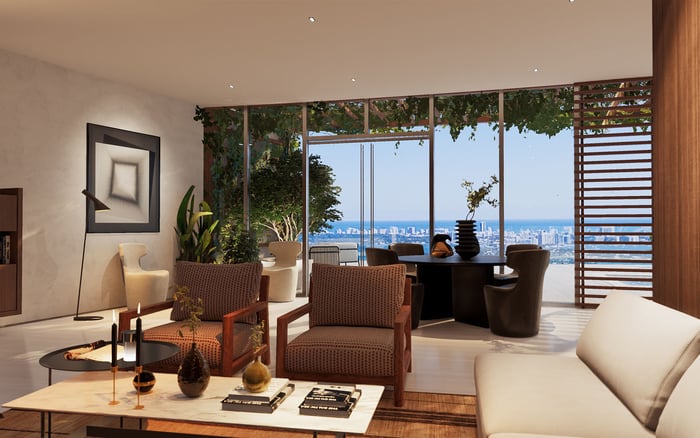
Advertised specifications include integrated kitchens, contemporary bathroom cabinetry, appliances, washer/dryers, lighting packages, and built-out primary closets. Balconies are offered in select units, not every residence. Some layouts also include dens with custom Murphy beds.
For a second-home buyer, furnished delivery can reduce the work of preparing a residence for use. Still, “fully furnished” warrants a detailed inventory. Request the furniture schedule, included accessories, substitution provisions, and any distinctions between the presentation materials and the contracted package.
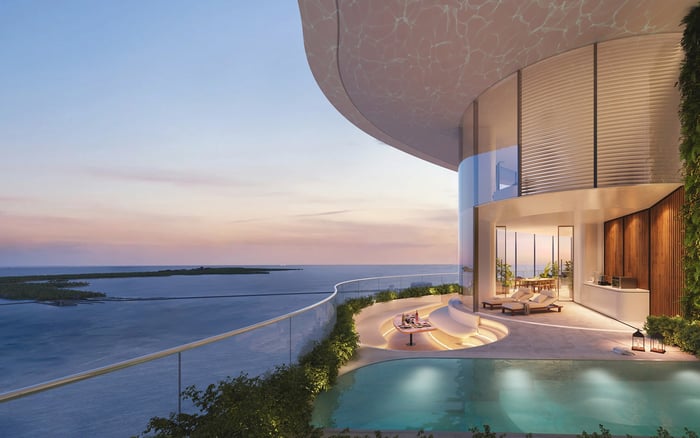
Evaluate a den with a Murphy bed for circulation, storage, and privacy rather than treating it automatically as another bedroom. Likewise, buyers who prioritize outdoor living should confirm the balcony on the exact plan they are purchasing. Selected residences are also advertised with furnished office suites or office-suite access; whether those rights are deeded, assigned, or shared must be resolved in writing.
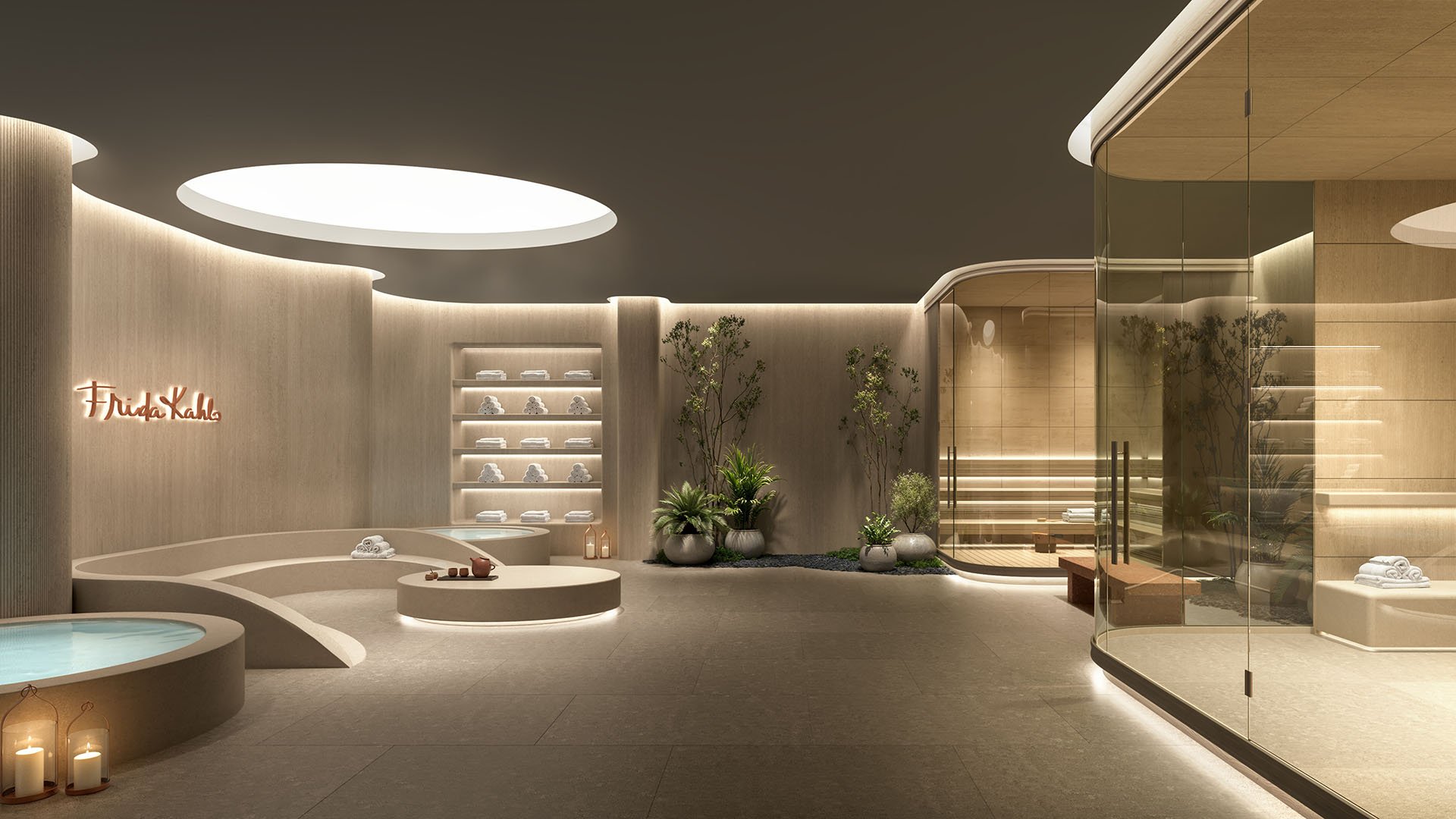
The planned resort-style pool is advertised with Miami skyline views, shaded lounges, and garden-inspired landscaping. Planned wellness facilities include a fitness studio and a thermal circuit with sauna, steam room, and cold plunge. Social and work spaces are expected to include an outdoor bar, speakeasy-style lounge, conference rooms, and a coffee station.
The healthcare component warrants separate review. Plans call for an approximately 5,000-square-foot Baker Health center and a one-year concierge membership for owners. Advertised services include physician access, same-day appointments, in-residence care coordination, nutrition, mental health, weight management, hormone therapy, and diagnostics.
These descriptions should not be read as an unlimited package of included care. Ask which services the membership covers, which carry additional charges, how appointments are arranged, and what renewal costs may apply after the first year. Buyers also considering The Well Bay Harbor Islands can apply the same distinction: evaluate physical amenities separately from the terms of any service offering.
Advertised starting prices are in the $500,000s, with an approximate advertised range of $500,000 to $1.6 million. Neither figure replaces a current, unit-specific proposal. Consider the purchase price alongside the condominium budget, assessments, and any recurring amenity or medical-service charges.
An advertised payment schedule calls for 10% at contract, another 10% five months later, 10% at groundbreaking, 10% one year after groundbreaking, and 60% at closing. Under that sequence, 40% is due before closing. Buyers should confirm the operative schedule and understand how construction milestones affect payment obligations.
The target for groundbreaking was Q3 2026, but that target does not establish that construction began. Completion has been estimated around 2029, not guaranteed. A purchase decision should therefore rest on the contract’s delivery provisions, permitted extensions, escrow protections, and cancellation rights rather than a promotional timeline.
Short-term rental flexibility is advertised, but the available terms do not establish minimum stays, licensing requirements, platform restrictions, or final condominium rules. Flexibility is an invitation to investigate, not a promise of unrestricted rentals or investment returns.
Before underwriting rental income, obtain the governing rental provisions and confirm approval procedures, management requirements, owner-use restrictions, and applicable fees. Ask how rental operations would interact with the furnishings package and office-suite access. These questions matter even when the intended use is primarily personal, because ownership plans can change.
A prudent financial model should also account for vacancy, operating expenses, and potential changes in service costs. Neither the advertised entry price nor a flexible-rental headline substitutes for a unit-level assessment of carrying costs and permitted use.
The project’s appeal lies in its combination of an art-district identity, furnished homes, work-oriented spaces, and planned wellness facilities. Its suitability depends on which features a buyer will actually use. A frequent visitor may value a ready-to-use interior; an owner working remotely may care more about the precise office arrangement.
Before committing, reconcile the selected floor plan, furnishing schedule, amenity commitments, rental provisions, and healthcare terms with the purchase documents. Have counsel review the condominium budget, assessment exposure, escrow arrangements, cancellation provisions, and delivery language. Any feature central to the decision should be documented rather than assumed.
For a discreet review of how this residence fits your South Florida priorities, connect with MILLION.
If branded residences are on your mind — as a home or as an allocation — we would be glad to share what we are seeing, privately.
Begin a quiet conversationThe project is marketed in Miami’s Wynwood arts district, with a published address of 1018 N Miami Ave, Miami, FL 33136.
Plans call for 244 fully finished and furnished residences. Advertised layouts include studios, one-, two-, and three-bedroom homes, plus penthouses.
Property Markets Group and LNDMRK Development are identified as the developers. The project is marketed as the first Frida Kahlo-inspired residences designed by Carlos Ott.
Starting prices are advertised in the $500,000s, with an approximate marketed range of $500,000 to $1.6 million. Buyers should obtain current, unit-specific pricing and contractual terms.
One schedule specifies four 10% installments: at contract, five months later, at groundbreaking, and one year after groundbreaking. The remaining 60% is due at closing, subject to the final purchase agreement.
Marketing targeted Q3 2026 groundbreaking, which does not confirm construction began. Completion has been estimated around 2029, but that is not a guaranteed delivery date.
Short-term rental flexibility is advertised, but minimum stays, licensing requirements, platform restrictions, and final condominium rules are not established. Buyers should verify the governing provisions before relying on rental income.
Plans include a resort-style pool, fitness studio, sauna, steam room, and cold plunge. Marketing also describes an approximately 5,000-square-foot Baker Health center and a one-year concierge membership, with coverage and recurring costs requiring confirmation.
Balconies are advertised only in select residences, while selected homes are marketed with furnished office suites or office-suite access. Buyers should confirm the exact layout and whether office rights are deeded, assigned, or shared.
Review the purchase agreement, condominium budget, rental rules, furnishing schedule, office-suite rights, and service terms. Counsel should also examine assessments, escrow protections, cancellation rights, and delivery provisions.