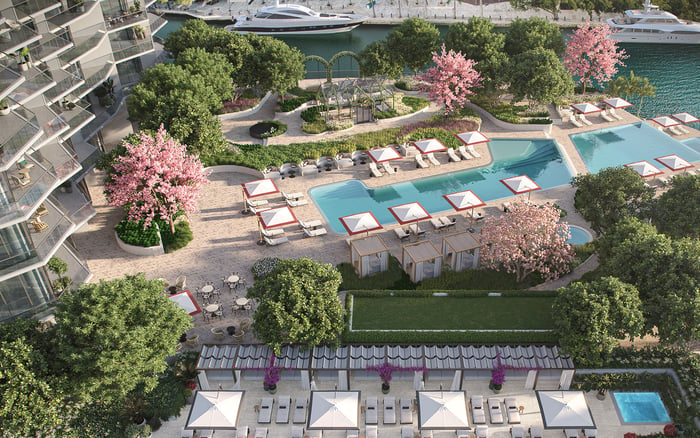
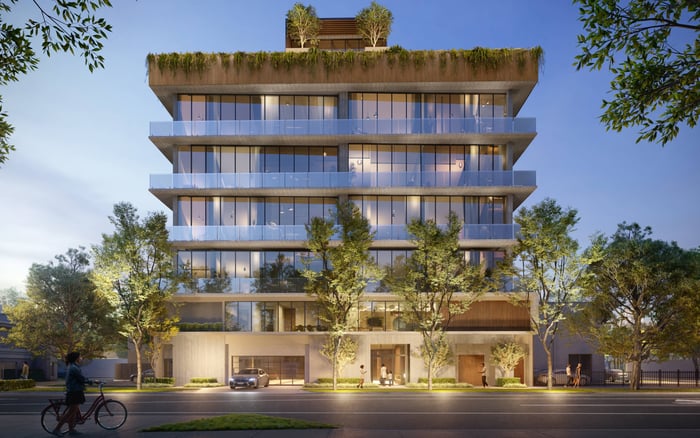
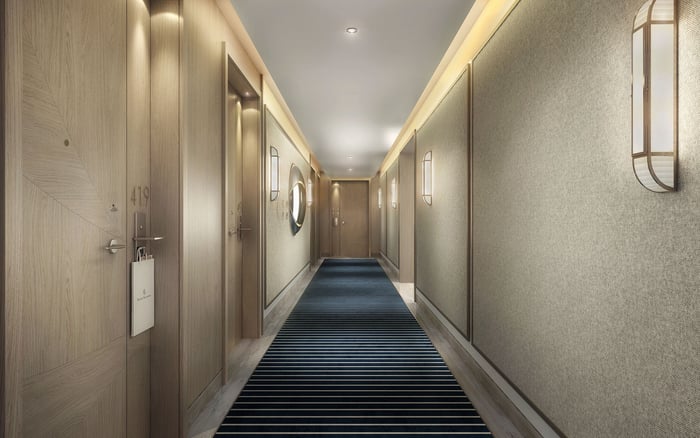
Pending building work should influence a Casa Bella offer through documented scope, responsibility, timing, and ownership exposure, not an assumed defect or an arbitrary discount. A disciplined buyer separates construction milestones from completion evidence and negotiates protections around the actual contract.
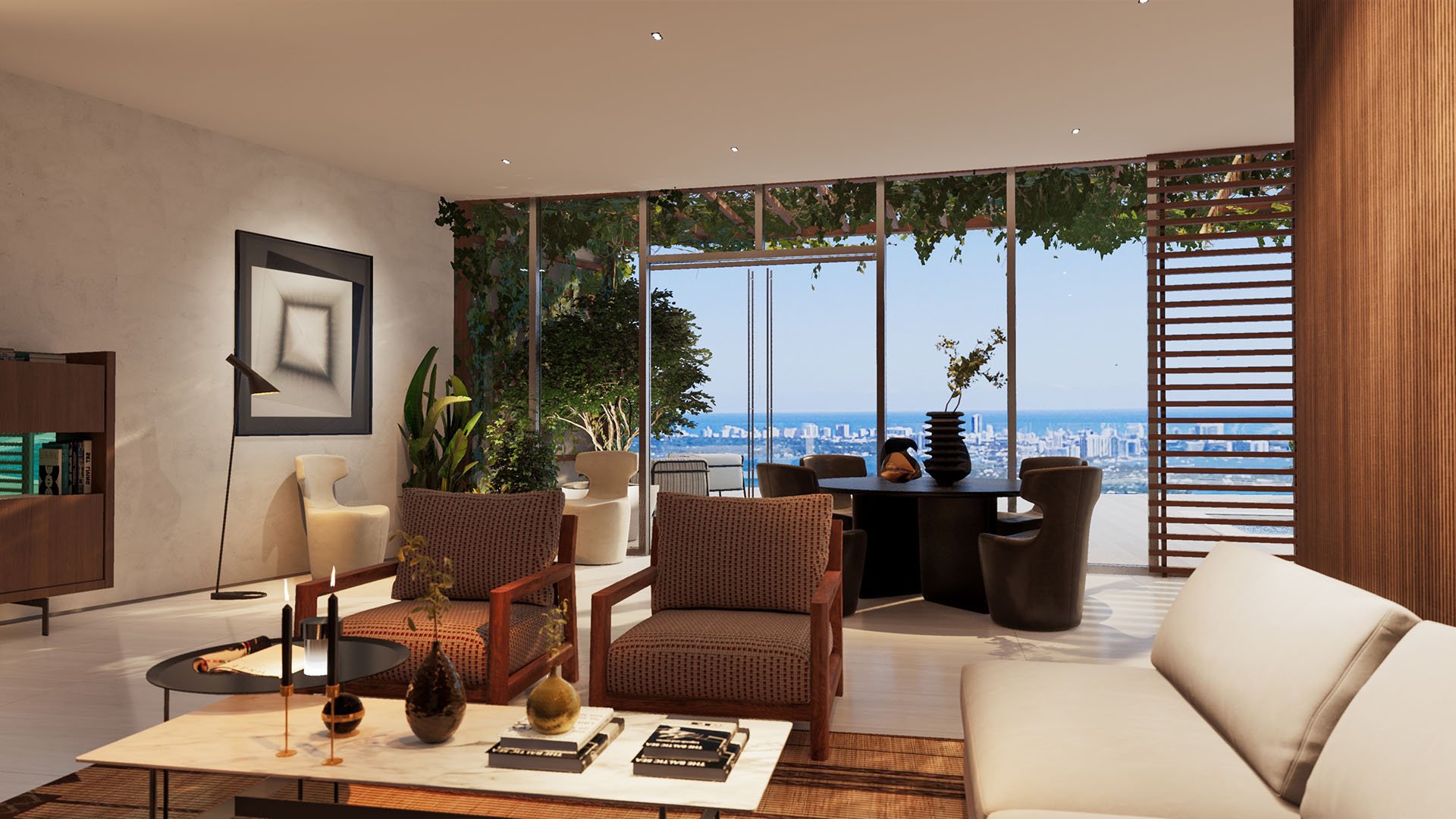
For a buyer considering Casa Bella by B&B Italia Downtown Miami, pending concrete, waterproofing, or façade work warrants neither automatic reassurance nor an immediate demand for a price reduction. First establish what remains unfinished, why it is unresolved, who must complete it, and whether the buyer would inherit any cost or inconvenience.
The available construction history does not establish concrete damage, waterproofing failure, façade remediation, or a related special assessment at Casa Bella. This is a framework for evaluating work disclosed during due diligence, not a statement that the building has a known defect. An offer should price documented exposure, not an ambiguous description of pending work.
Casa Bella is a 56-story condominium tower at 1400 Biscayne Boulevard in Miami’s Downtown Arts & Entertainment corridor, with 319 planned residences, including penthouses. Related Group and Alta Developers are the developers; Arquitectonica designed the building, with interiors by Piero Lissoni. Coastal Construction is the general contractor.
Those credentials establish the project’s identity, not the condition of a particular assembly. Keep architectural appeal separate from technical acceptance. Apply the same discipline when comparing Casa Bella with Aston Martin Residences Downtown Miami: evaluate each property’s documents individually rather than treating a recognizable name as assurance of construction quality.
Casa Bella reached its full structural height at the July 9, 2025 topping-off ceremony. That milestone does not establish completed waterproofing, passed envelope testing, or permission to occupy. The summer 2026 completion expectation expressed in November 2025 was a forecast, not confirmation of delivery. Verify current occupancy documentation and closing status directly; those historical milestones establish neither.
Ask the seller to separate open items into three categories: ordinary unfinished construction, punch-list items, and corrective work identified by an engineer. Each classification should have documentary support; the terms are not interchangeable.
Ordinary unfinished construction
calls for a defined remaining scope, sequence, and completion timetable. In March 2025, glazing had reached around the 30th floor and balcony railings around the 15th, while structural work had advanced above the 42nd. Those different stages of completion were not, by themselves, evidence of failure.
Punch-list items
should be identified by location and assigned to a responsible party, with an agreed acceptance standard. Ask whether each item affects appearance, function, access, or use.
Corrective work, if disclosed, warrants closer technical review: the observed condition, proposed remedy, affected area, and evidence needed to confirm successful completion. Do not negotiate from the word “repair” alone.
Through counsel and a qualified inspector, request relevant permits, inspection results, engineering assessments, envelope testing, warranties, and temporary or final occupancy documentation. Ask which records cover the residence itself and which address shared building systems.
Focus the technical review on balcony waterproofing, slab edges, railing anchors, stucco interfaces, glazing, and balcony-door transitions. March 2025 construction progress included stucco application beneath windows beside curved balconies. That identifies elements worth understanding, not evidence of a defect.
For each disclosed issue, request a written scope specifying its location, responsible party, completion target, and acceptance evidence. If corrective work requires testing, ask the reviewing professional which tests are appropriate and whether completion documentation addresses the affected area.
A beautifully finished interior cannot answer these questions. Nor should a buyer assume that an occupancy document alone resolves every contractual completion obligation. Have counsel and the technical reviewer explain what each document establishes.
There is no established standard discount percentage here for pending work at Casa Bella. Build the negotiation around four questions: What could the buyer pay? What use could be interrupted? How long could uncertainty last? Who is contractually responsible?
If work is clearly scoped, funded by the responsible party, and scheduled for completion before closing, prioritize completion evidence and inspection access. A discount may be less useful than a precise obligation that prevents an item from remaining unresolved.
If work may continue after closing, examine potential access restrictions, disruption, and the enforceability of the completion commitment. Explore a credit or escrow holdback with counsel, but do not assume either is available or that the developer must accept it.
If scope or responsibility remains unresolved, a larger concession does not necessarily make the purchase prudent. Consider making the offer conditional on satisfactory clarification, subject to negotiated terms. Avoid counting the same exposure twice through both a repair allowance and a separate price deduction.
A project deposit schedule calls for 20% at contract, 10% at groundbreaking, and 10% at topping off, with the balance at closing. Under that schedule, 40% is due before closing, making deposit exposure central to the decision.
Do not assume those terms govern remaining inventory, an assignment, or a particular agreement. Before funds are committed, counsel should verify the actual payment schedule, deposit treatment, completion provisions, default consequences, and any negotiated inspection or termination rights.
For buyers also considering Waldorf Astoria Residences Downtown Miami, compare contractual exposure alongside the residence itself. The useful comparison is not an assumed construction equivalence, but how each agreement allocates unresolved obligations.
Any proposed holdback needs more than a dollar amount. Discuss who controls release, what evidence permits it, the completion deadline, and what happens if that deadline passes. These are negotiating objectives, not established buyer entitlements.
Review available association budgets, reserves, insurance, and responsibility for unresolved common-area work. Ask whether any disclosed scope falls within existing obligations or could create an expense for owners. Nothing in the construction history establishes a related special assessment, but responsibility still deserves explicit review.
Distinguish a seller’s commitment from an obligation that would remain enforceable after closing. Ask counsel to identify the obligated party, the available remedy, and whether warranty documents address the work in question. A promised repair and a funded, enforceable completion mechanism are not interchangeable.
Casa Bella’s design identity may be a compelling reason to buy. It should not determine how much unfinished work a buyer accepts without documentation.
The strongest offer separates value from uncertainty: a supported purchase price, a clear schedule of open items, identified responsibility, and negotiated protections for whatever remains. Where uncertainty cannot be bounded, preserve the ability to pause rather than treating a concession as a substitute for satisfactory due diligence.
For a discreet conversation about your Downtown Miami purchase priorities, connect with MILLION.
If branded residences are on your mind — as a home or as an allocation — we would be glad to share what we are seeing, privately.
Begin a quiet conversationThe available construction history does not establish concrete damage, waterproofing failure, façade remediation, or a related special assessment. Pending work should be investigated without assuming it is defective.
The July 9, 2025 ceremony marked the tower reaching its full 56-story structural height. It did not establish completed waterproofing, passed envelope testing, or permission to occupy.
The summer 2026 expectation expressed in November 2025 was a forecast, not confirmation of delivery. Buyers should verify present occupancy documentation and closing status directly.
Separate ordinary unfinished construction, punch-list items, and engineer-identified corrective work. Each category needs a documented scope, responsible party, and completion timetable.
Ask a qualified reviewer about balcony waterproofing, slab edges, railing anchors, stucco interfaces, glazing, and balcony-door transitions. These are review priorities, not identified defects.
Seek relevant permits, inspection results, engineering assessments, envelope testing, warranties, and temporary or final occupancy documentation. Counsel and a qualified inspector should assess what those records establish.
There is no supported standard discount percentage. Any adjustment should reflect documented buyer costs, disruption, timing, and contractual responsibility.
A holdback can be explored with counsel as a negotiated protection, but developer acceptance is not assured. Its terms should specify release evidence, control of funds, deadlines, and remedies.
The published schedule totals 40% by topping off: 20% at contract, 10% at groundbreaking, and 10% at topping off. The actual agreement must be checked because that schedule may not govern a particular purchase.
Budgets, reserves, insurance, and completion obligations help clarify potential ownership-level exposure. Buyers should determine who is responsible for any unresolved common-area work without assuming a special assessment exists.