A buyer-focused framework for comparing wellness-led design at Forté on Flagler and Shorecrest, with attention to private interiors, shared amenities, services, and ownership considerations.
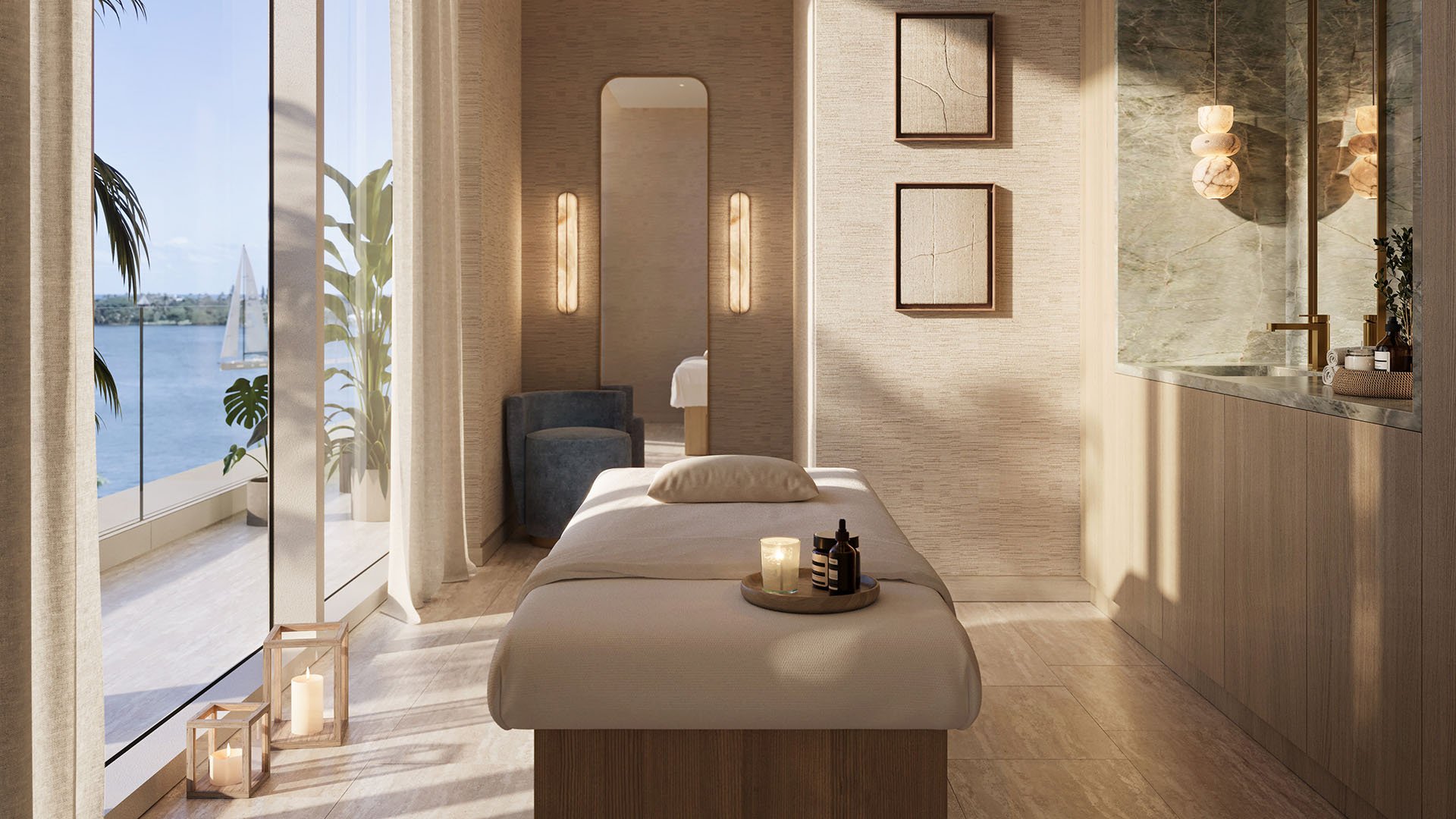
Wellness-led residential design is most useful when it is evaluated as a complete experience rather than a list of amenity names. Buyers comparing Forté on Flagler West Palm Beach and Shorecrest Flagler Drive West Palm Beach should examine how private residences, shared spaces, operations, and services could fit their routines.
The central question is practical: will the property make preferred habits easier to maintain? A compelling presentation should be followed by careful review of current plans, specifications, offering documents, rules, fees, and other applicable materials.
Start inside the residence. Ask for available details about ventilation and filtration, daylight by exposure, acoustic assemblies, glazing, material care, and maintenance responsibilities. These elements can affect daily comfort more consistently than occasional access to a specialized shared space.
Orientation and floor position should be assessed for the specific residence under consideration. Buyers can review plans, visit the area at relevant times, and seek professional advice where technical performance matters. Renderings and general building imagery should not replace residence-level diligence.
Material selection also warrants a practical review. Consider durability, ease of care, replacement obligations, and suitability for full-time or seasonal use. The goal is to understand how the home may function, not merely how its finishes appear in marketing materials.
A useful comparison begins with personal priorities. Some buyers may place greater weight on quiet, privacy, and straightforward property oversight, while others may focus on training, recovery, outdoor movement, or social spaces. Ranking those preferences can prevent an extensive amenity program from overshadowing the features that will actually be used.
For each project, verify which elements are included, how access is managed, and whether any details remain subject to change. Confirm operating expectations, staffing, guest rules, reservation procedures, maintenance obligations, and recurring costs through the appropriate project documents and advisers.
Nearby options can provide additional context. Alba West Palm Beach and The Ritz-Carlton Residences® West Palm Beach may help buyers refine their preferences, but every residence and project requires its own review.
The area around a residence forms part of its daily-use equation. Buyers should test likely walking, driving, and service routes; visit at different times; and consider whether the setting supports their preferred seasonal or full-time patterns.
This review should remain personal and specific. A location that suits one buyer’s routine may create friction for another. Time spent examining access, circulation, privacy, and the transition between the residence and surrounding area can reveal more than broad lifestyle language.
Concierge, valet, security, and management can affect convenience, privacy, and peace of mind, but their value depends on execution. Ask about staffing, hours, response procedures, service boundaries, and charges that may sit outside regular ownership costs.
Amenity access deserves the same scrutiny. Capacity, reservation systems, guest policies, closures, and maintenance schedules can determine whether a shared space is reliably useful. Buyers should also understand how specialized facilities, equipment, staffing, and programming may affect recurring expenses.
Translate wellness into a short list of personal requirements, then test each property against that list. Trace a typical day from the residence to shared spaces, building services, arrival points, and the surrounding area. Note where reservations, staffing, circulation, or rules could affect use.
Before committing, verify representations in the controlling documents and consult qualified legal, financial, tax, inspection, or technical professionals as appropriate. The strongest choice is the residence whose verified design and operating structure best align with the buyer’s actual habits, privacy expectations, and ownership plans.
What does wellness-led amenity design mean for a buyer? It is a way to assess how private space, shared facilities, services, and operations may support everyday comfort and preferred routines.
How should buyers compare Forté on Flagler and Shorecrest? Buyers can rank their priorities, then compare verified project details, access arrangements, operating rules, and ownership obligations.
Which in-residence features deserve close review? Ventilation, filtration, daylight, acoustics, glazing, materials, privacy, and maintenance responsibilities are useful areas for diligence.
Why should a specific residence be evaluated separately from the building? Exposure, orientation, layout, and position can shape the experience of an individual home and should not be inferred from general imagery.
How can buyers assess amenity usefulness? Review hours, capacity, reservation procedures, guest rules, staffing, closures, and the path between the residence and each shared space.
Why do services matter in a wellness-focused comparison? Reliable management and resident services may reduce logistical friction, but buyers should confirm scope, hours, procedures, and additional charges.
What documents should buyers review? Buyers should examine current plans, specifications, offering documents, rules, fee disclosures, and other applicable materials with qualified advisers.
How should recurring costs be considered? Evaluate whether expected expenses align with the facilities, staffing, programming, and level of service the buyer expects to use.
What role does the surrounding area play? Access, circulation, privacy, and likely daily routes can influence whether a location supports a buyer’s full-time or seasonal routine.
What is the best final test before choosing a residence? Compare each property’s verified design, operations, costs, and obligations with a realistic day in the buyer’s life.
When you're ready to tour or underwrite the options, connect with MILLION.
If branded residences are on your mind — as a home or as an allocation — we would be glad to share what we are seeing, privately.
Begin a quiet conversation