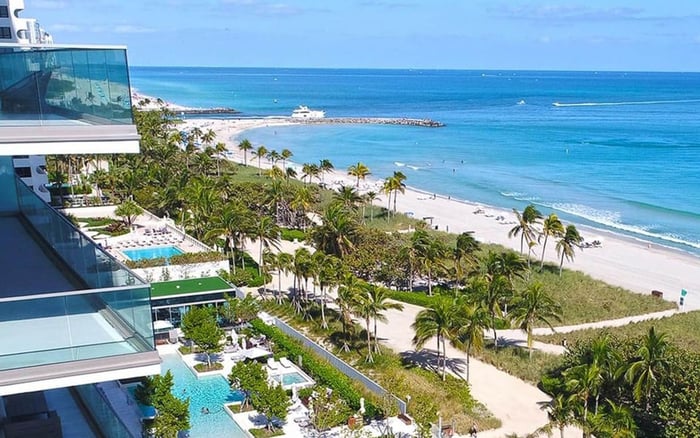
Bal Harbour favors a self-contained beach, spa, and shopping escape. Fort Lauderdale makes the stronger case when airport access and Port Everglades shape a brief itinerary. For occasional owners, the deciding question is how much of each visit remains available to enjoy.

For a traveler who visits South Florida in short intervals rather than settling in for winter, the better address is not necessarily the one with the broadest seasonal appeal. It is the one that makes a brief stay feel complete. Arrival, the first afternoon, and departure deserve as much attention as the residence itself.
The distinction is clear: favor Bal Harbour for a self-contained luxury escape centered on the beach, spa, dining, and shopping. Favor Fort Lauderdale when flights or a cruise from Port Everglades determine the itinerary. Neither is the universal winner. Each removes a different kind of friction; occasional visitors should decide which matters more.
Bal Harbour’s appeal lies in concentration. Luxury hotels, beach access, restaurants, and designer shopping sit within a compact village whose atmosphere favors serenity over an activity-heavy urban agenda. For travelers with little interest in organizing excursions, that arrangement is a substantial advantage.
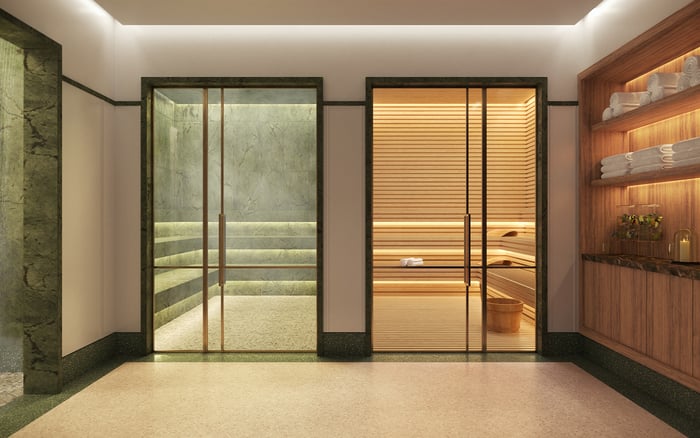
The St. Regis Bal Harbour Resort illustrates the appeal. Directly across from Bal Harbour Shops, it combines beach access with proximity to more than 100 luxury designer boutiques. Two ocean-view pools, a 14,000-square-foot spa, private beach services, and butler service make it possible to build a satisfying stay around relatively few decisions.
That is also a useful lens for a buyer considering Oceana Bal Harbour. The neighborhood question comes first: would returning to this concentrated beach-and-shopping setting make each visit easier? A hotel stay helps test the destination, but it does not establish that a particular residence provides the same services or access arrangements.
Bal Harbour supports an unhurried visit without requiring every day to look alike. Its one-mile beach path has separate pedestrian and cycling lanes. The waterfront park and jetty offer alternatives to time on the sand, while hotels can arrange snorkeling, diving, deep-sea fishing, kayaking, and paddleboarding.
The distinction is between having options and feeling obliged to pursue them. A beach walk, lunch, and a spa appointment can constitute a complete day rather than a pause between larger plans. For travelers seeking restoration, that modest itinerary may be precisely the point.
Accommodation format also matters. The Ritz-Carlton Bal Harbour offers rooms and executive suites, with suite features including full kitchens, large living areas, private terraces, and semi-private elevators. Beach Haus offers rooms and suites with kitchens or kitchenettes. These formats give prospective occasional residents different ways to test how much domestic space a short visit actually requires.
For someone considering Rivage Bal Harbour, the practical exercise is to separate affection for the village from the requirements of ownership. Decide what must be ready on arrival, what support is needed during an absence, and whether the intended pattern is frequent weekends or less frequent, longer breaks. Those answers should guide property-specific inquiries.
Fort Lauderdale’s strongest case in this comparison begins with transportation. Fort Lauderdale-Hollywood International Airport is within Greater Fort Lauderdale, and Port Everglades sits adjacent to the airport and city infrastructure. For pre- and post-cruise stays, that relationship can simplify the sequence from aircraft to hotel, beach, and ship.
Port Everglades serves cruise operators ranging from ultra-luxury to family-oriented lines. If a sailing anchors the trip, a Fort Lauderdale base is more than a concession to convenience. It can be the more coherent choice, keeping the stay connected to the reason for traveling.
Buyers considering Four Seasons Hotel & Private Residences Fort Lauderdale should apply that logic to the actual address, not the city name alone. Map the intended arrival and departure sequence, then confirm the residence-specific services and arrangements that would support occasional use. Regional proximity does not establish a particular building’s transfer time.
The same discipline applies when evaluating Andare Residences Fort Lauderdale. Start with the visits already on the calendar. If they repeatedly revolve around the airport or Port Everglades, Fort Lauderdale deserves serious consideration before a more resort-focused destination wins on atmosphere alone.
A short visit leaves little room for optimistic assumptions. Bal Harbour’s airport-transfer estimates vary, and a promotional journey time should never underpin a tightly scheduled arrival or departure. Confirm the route for the actual travel window and allow an appropriate buffer.
Fort Lauderdale’s airport-and-port relationship supports a logistical advantage for cruise-linked stays, but it does not make every transfer effortless. Compare two complete itineraries, not two generalized impressions of distance.
Consider when the flight lands, whether the first afternoon is usable, and what must happen before departure. A destination that requires more planning to reach may still be preferable if it delivers exactly the beach-and-shopping escape desired. Conversely, a stay built around a sailing may gain more from straightforward logistics than from an additional resort amenity.
Occasional ownership deserves its own brief. Assess a residence intended for short visits against the routines those visits require, rather than an imagined winter of entertaining and extended leisure. Ask about arrival preparation, housekeeping arrangements, maintenance coordination, and procedures during absences. Confirm each point for the individual property.
Keep cost and rental assumptions separate from the lifestyle verdict. This comparison does not establish either destination as the cheaper ownership choice, and short-term rental permissions or returns should not be assumed. A compelling weekend does not, by itself, establish an investment case.
The final choice is personal, but not vague. Choose Bal Harbour when the purpose is to arrive, settle quickly, and enjoy a compact concentration of luxury pleasures. Choose Fort Lauderdale when the trip revolves around flights, a cruise, or the connection between them. For the short-stay traveler, the most persuasive luxury is having more of the visit left to enjoy.
Explore a residential base suited to your actual travel rhythm with MILLION.
If branded residences are on your mind — as a home or as an allocation — we would be glad to share what we are seeing, privately.
Begin a quiet conversationBal Harbour is the stronger fit for a self-contained beach, spa, and shopping stay. Fort Lauderdale is more compelling when airport or cruise logistics drive the itinerary.
Its compact village setting brings luxury hotels, beach access, restaurants, and designer shopping close together. That concentration can reduce the planning needed for a satisfying stay.
Fort Lauderdale has the practical advantage because Port Everglades is adjacent to its airport and city infrastructure. Exact transfers still depend on the chosen address and travel window.
The resort is directly across from Bal Harbour Shops, which offers more than 100 luxury designer boutiques. It also offers direct beach access, pools, and a spa.
The village has a one-mile beach path with separate pedestrian and cycling lanes, a waterfront park, and a jetty. Hotels can also arrange activities including paddleboarding, diving, and fishing.
The Ritz-Carlton Bal Harbour offers executive suites with full kitchens. Beach Haus offers rooms and suites with kitchens or kitchenettes.
No; estimates vary and should not be treated as guaranteed door-to-door journey times. Confirm the actual route and allow a buffer.
No; a hotel stay can help test the destination, but it does not establish a residence’s services or access arrangements. Confirm those details for the individual property.
This comparison does not establish a cost advantage for either destination. Hotel rates, ownership carrying costs, and any rental assumptions require separate evaluation.
Confirm arrival preparation, housekeeping, maintenance coordination, and procedures during absences. Evaluate those arrangements against the visits you actually expect to make.