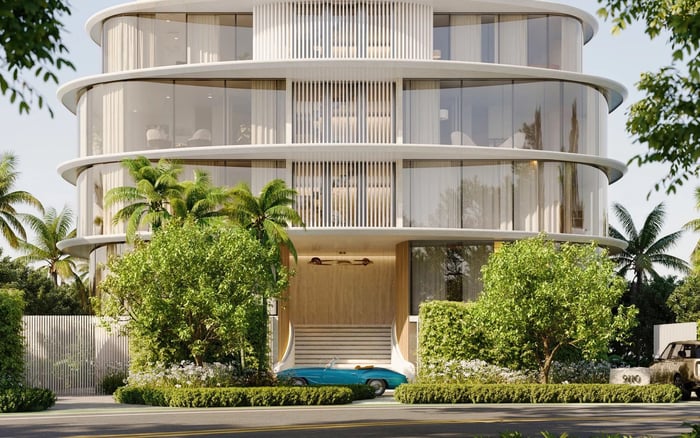
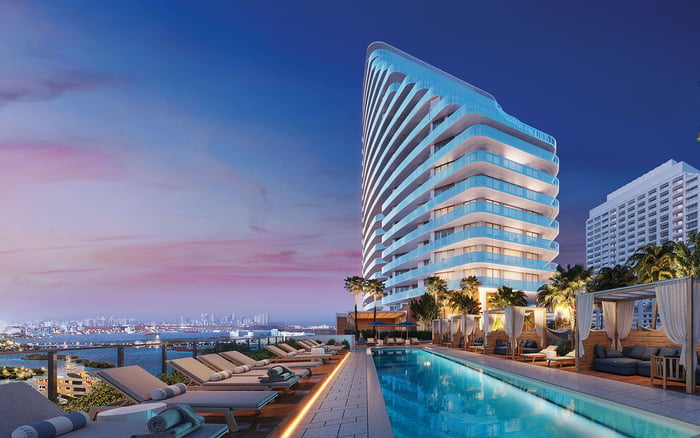
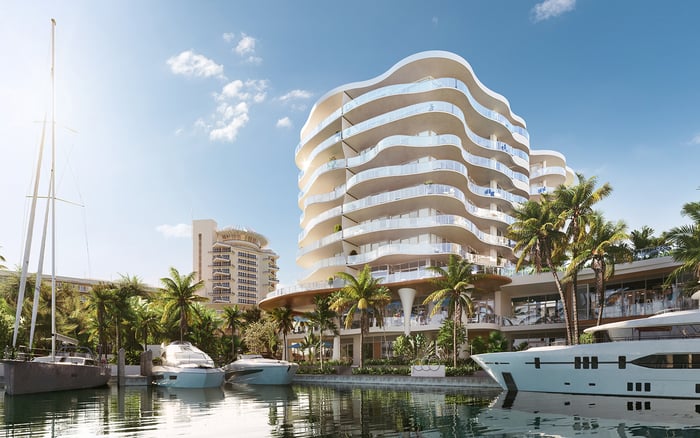
Fort Lauderdale’s luxury conversation is increasingly shaped by buyers who evaluate homes through the lens of the yachting lifestyle: arrival sequence, privacy, waterfront utility, hotel-caliber service, and long-term ease of ownership. For 2026 purchasers, the most compelling residences are those that translate the discipline of a superyacht into everyday living.
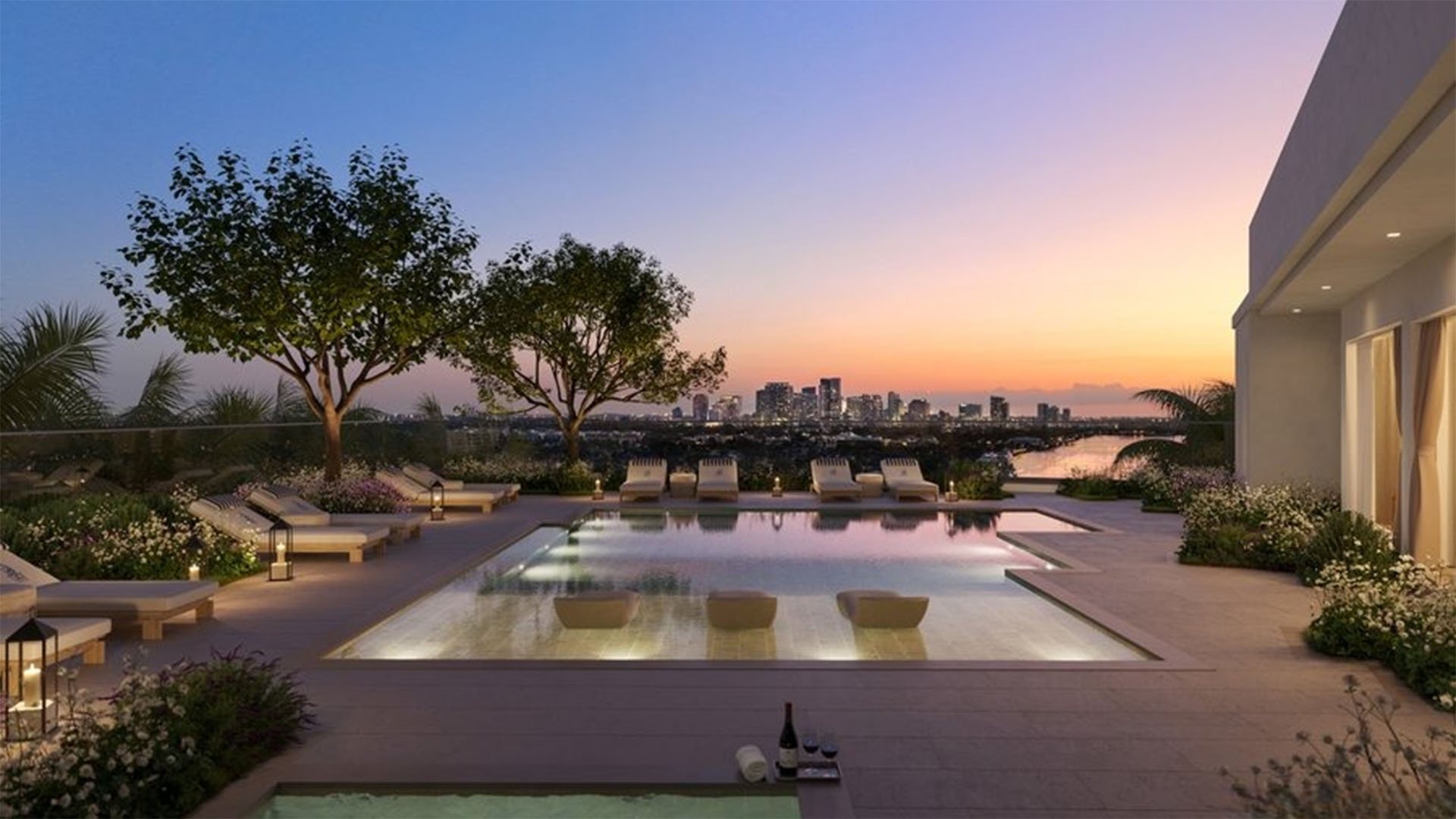
Fort Lauderdale has always understood the language of water. For the 2026 luxury purchaser, that language is becoming more exacting. The buyer arriving during a superyacht show is not simply moving between appointments. That buyer is studying approach, privacy, service flow, marina adjacency, and the quiet mechanics of ownership.
This is a different kind of residential evaluation. The conversation is less about spectacle and more about whether a home can support an effortless South Florida life. A residence must feel polished on arrival, calm in use, and credible within a broader ownership portfolio. The yacht-informed buyer often already understands maintenance, crew coordination, hospitality standards, and the value of a trusted local base. Real estate becomes another vessel for lifestyle control.
In Fort Lauderdale, that lens gives waterfront and near-water residences a particular advantage. Projects such as Four Seasons Hotel & Private Residences Fort Lauderdale speak to buyers who want hotel-level ease without surrendering residential discretion. The appeal is not only the address. It is the promise that the daily experience can be managed with the same fluency as a well-run yacht.
The most sophisticated buyers are not asking only, “Is it beautiful?” They are asking whether the property understands their rhythm. Can guests arrive gracefully? Is the residence easy to leave for weeks at a time? Does the building feel private without feeling isolated? Is the surrounding neighborhood compatible with a waterfront schedule, fine dining, wellness, aviation access, and seasonal entertaining?
This is why the 2026 purchase conversation is moving beyond traditional luxury shorthand. Marble, views, and brand names still matter, but they are no longer sufficient on their own. The yacht-minded buyer is attentive to the choreography behind the finish: valet, lobby sequence, staff professionalism, delivery protocol, storage, terraces, service elevators, and the distance between a relaxed evening and a complicated one.
For many, St. Regis® Residences Bahia Mar Fort Lauderdale sits naturally inside that conversation because Bahia Mar carries an immediate association with waterfront culture. Without excess explanation, the setting aligns with a buyer who wants Fort Lauderdale to function as both retreat and operating base.
A buyer’s internal brief may read: Fort Lauderdale for location focus, marina for daily rhythm, boat-slip optionality, waterview for daily atmosphere, new construction for modern systems, and second-home use for portfolio fit. Those ideas may look practical, but they define the new luxury grammar.
The 2026 buyer is not necessarily in a hurry, but that does not mean they are passive. Many are using seasonal visits to compare buildings, neighborhoods, service cultures, and the degree to which a residence can absorb the complexity of their lives. The result is a market where the strongest properties are not simply those with the loudest presence. They are those that answer a deeper question: will this home make South Florida easier?
Fort Lauderdale benefits from that question because it offers a waterfront identity without demanding a single lifestyle script. Some buyers want beach proximity. Others prefer riverfront calm, walkable dining, or a residence that feels slightly removed from the most public corridors. Riva Residenze Fort Lauderdale is relevant to the buyer who reads the city through water, architecture, and a more residential cadence.
The market shift is subtle but meaningful. Instead of trophy acquisition alone, the emphasis is turning toward usability. A penthouse that is difficult to service may lose ground to a slightly quieter residence that functions beautifully. A dramatic view may be less persuasive if arrival is chaotic. A familiar hospitality brand may matter less than the actual lived feeling of discretion, care, and competence.
Superyacht owners and charter clients understand that luxury is operational. The visible design is only one layer. What separates an exceptional experience from an ordinary one is often the unseen system behind it. In residential real estate, that same expectation gives branded and hospitality-led buildings a clear role.
The buyer does not simply want amenities. They want predictability. A well-composed building can support a travel-heavy life by smoothing transitions: arrival after a late flight, a short-notice guest visit, a family weekend, or a quiet month between itineraries. This is why service-rich residences are gaining attention among buyers who divide time across multiple cities and coastlines.
The Ritz-Carlton Residences® Fort Lauderdale enters the discussion for purchasers who associate luxury with consistency, privacy, and a recognizable service culture. In this segment, familiarity can be valuable. It reduces friction, particularly for buyers comparing South Florida with other global leisure markets.
Yet discernment remains essential. A brand can open the door, but it should not end the analysis. Buyers should compare floor plan privacy, terrace usability, building density, parking logic, neighborhood tone, and whether the service model feels elegant or intrusive. The best fit is rarely the most obvious one. It is the residence that matches the owner’s pace.
One of Fort Lauderdale’s most important 2026 themes is the lock-and-leave residence that still feels emotionally substantial. Buyers want the freedom to travel without returning to a home that feels impersonal. They want security and management, but also warmth, view, and identity.
This is especially relevant for buyers whose primary life may be elsewhere, but whose South Florida presence is becoming more intentional. The residence becomes a winter salon, a family meeting point, a pre-cruise base, or a discreet place to host friends after days on the water. The strongest properties let owners live lightly when they choose and expansively when the calendar calls for it.
For those seeking a more urban Fort Lauderdale expression, Sixth & Rio Fort Lauderdale may appeal to buyers who want proximity to the city’s river-oriented lifestyle rather than a purely beachfront pattern. That distinction matters. Not every yacht-adjacent buyer wants the same horizon.
The smartest search begins with behavior, not inventory. Before comparing buildings, buyers should define how the residence will actually be used. Is it a seasonal home, a family base, a hosting address, or a long-term relocation step? Will water access be central to daily life or simply part of the atmosphere? Is the priority brand service, marina logic, privacy, or future optionality?
Once those answers are clear, the market becomes easier to read. A waterfront residence should be tested for more than view. A branded address should be tested for actual service fit. A new development should be evaluated for how it will age, not only how it presents at launch. For 2026, the winning purchase is not the one that photographs best. It is the one that continues to feel effortless after the season ends.
Fort Lauderdale’s luxury market is being shaped by buyers who understand that ease is not accidental. It is designed, staffed, managed, and located. The superyacht show visitor brings that standard ashore, and the city’s best residential offerings are being judged accordingly.
Why are superyacht show attendees important to Fort Lauderdale real estate? They often evaluate property through a waterfront and service-oriented lens, making their preferences especially relevant to the luxury segment.
What do these buyers typically prioritize in a residence? Privacy, arrival experience, water proximity, service quality, and an easy lock-and-leave lifestyle tend to matter most.
Is waterfront access always required? Not always. Some buyers value direct water utility, while others prefer views, marina proximity, or a refined coastal atmosphere.
Are branded residences especially appealing to this audience? They can be, particularly when the service culture supports a travel-heavy and hospitality-driven lifestyle.
How should a buyer compare Fort Lauderdale neighborhoods? The best approach is to compare daily rhythm, privacy, dining access, waterfront logic, and how each area supports actual use.
Does new construction matter for 2026 buyers? It often matters because modern systems, fresh design, and managed amenities can support a lower-friction ownership experience.
What is the biggest mistake yacht-oriented buyers make? They sometimes focus too heavily on view and not enough on service flow, access, building operations, and long-term usability.
Can a Fort Lauderdale residence function as a second home? Yes, when the building offers strong security, management, and a lifestyle that remains simple during absences.
Should buyers choose beachfront or riverfront living? It depends on lifestyle. Beachfront emphasizes resort atmosphere, while riverfront can offer a more urban and boating-oriented cadence.
What is the best way to shortlist comparable options for touring? Start with location fit, delivery status, and daily lifestyle priorities, then compare stacks and elevations to validate views and privacy.
When you're ready to tour or underwrite the options, connect with MILLION.
If branded residences are on your mind — as a home or as an allocation — we would be glad to share what we are seeing, privately.
Begin a quiet conversation