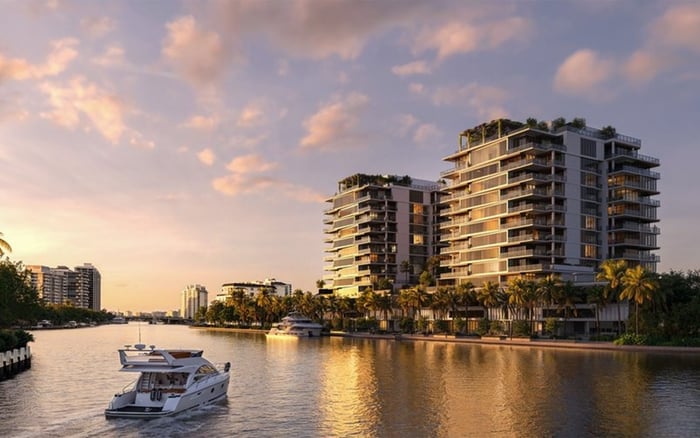
For buyers who genuinely organize their lifestyle around time on the water, Fort Lauderdale beachside and Las Olas riverfront serve very different priorities. Beachside offers faster Atlantic departures, fewer inland bottlenecks, and a clearer fit for larger-yacht and offshore use. Las Olas, by contrast, trades navigational simplicity for downtown walkability, social energy, and the romance of a riverfront address.
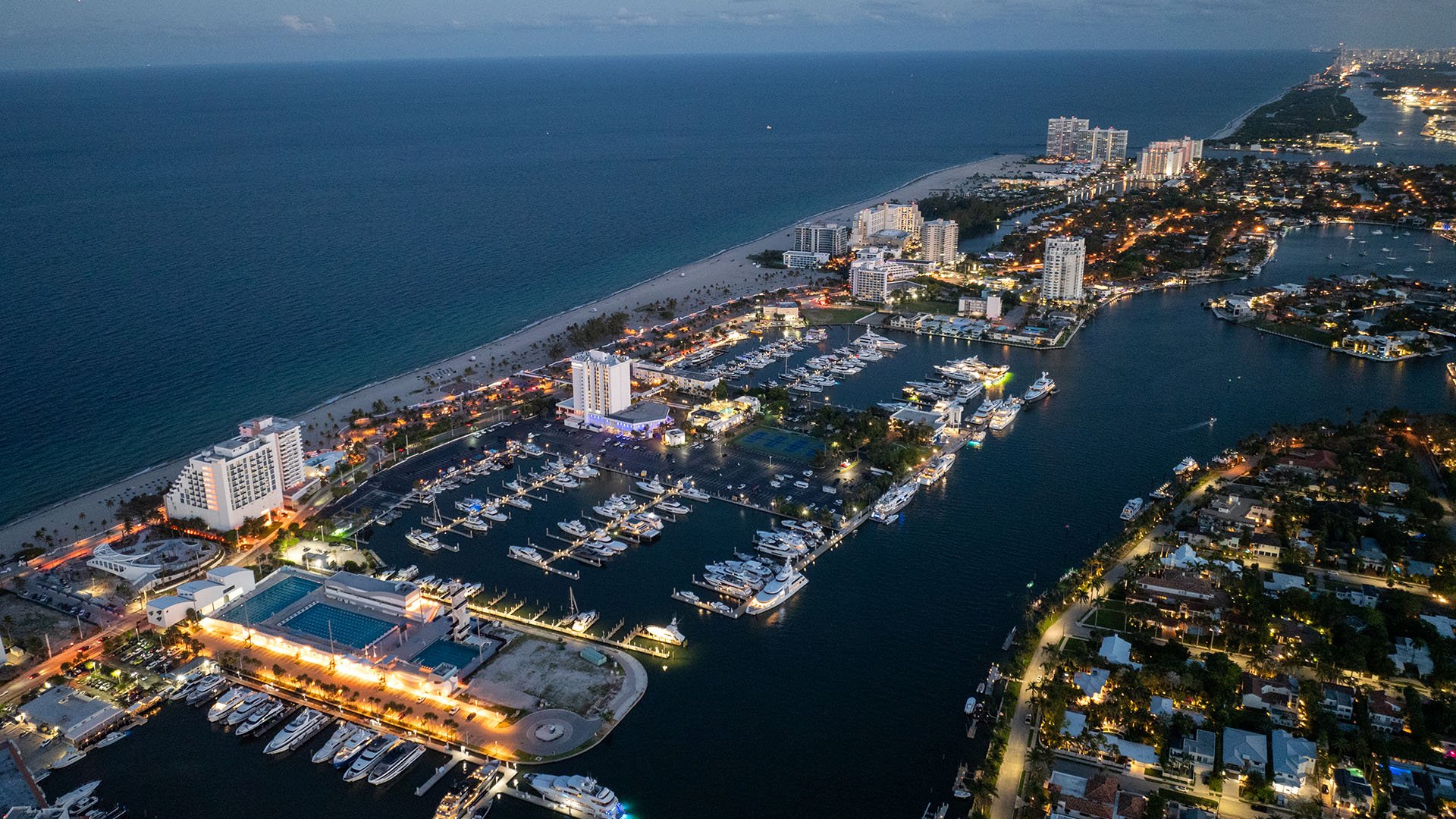
For the buyer who truly boats, rather than simply enjoying a water view, beachside Fort Lauderdale is usually the stronger choice. The reason is practical, not romantic. Beachside owners reach the Intracoastal and Atlantic routes with fewer constraints, while Las Olas riverfront owners typically accept a more technical run through the New River before reaching open water.
That distinction matters even more as the vessel becomes larger, taller, deeper, or more frequently used. If your boating life means offshore fishing, blue-water weekends, regular departures at first light, or slip needs that favor ocean-near movement, beachside is the cleaner fit. If your version of waterfront living is a sophisticated residence within easy reach of restaurants, galleries, and downtown social life, Las Olas remains one of Fort Lauderdale’s most compelling addresses.
In other words, this is not a question of which area is better in the abstract. It is a question of whether your primary luxury is navigational ease or urban lifestyle.
Fort Lauderdale’s beachside advantage is straightforward: you are closer to the Intracoastal Waterway and nearby Atlantic access without first committing to a downtown river transit. For owners who leave the dock often, that saved time becomes part of everyday quality of life.
Beachside also tends to align better with larger-yacht operation. It is simply easier to plan departures when your route is not shaped by multiple downtown spans, tighter turns, and the operating rhythm of an urban river corridor. Even in a city defined by its boating identity, not every waterfront address serves the same kind of captain.
A residence such as St. Regis® Residences Bahia Mar Fort Lauderdale naturally resonates with that ocean-near mindset, while Four Seasons Hotel & Private Residences Fort Lauderdale speaks to buyers who want polished beachfront living with boating access still central to the decision.
None of this means beachside is frictionless. Movable bridges still shape marine timing, and the 17th Street Causeway Bridge remains part of normal route planning. Seasonal traffic can also create pressure around coastal corridors. But those are generally more manageable complications than running a more constrained inland route every time you want the ocean.
Las Olas is compelling for a different reason. It offers a richer urban waterfront experience. You are closer to boutiques, dining, galleries, and the kind of social calendar that makes a downtown address feel alive year-round. For many luxury buyers, that is not a secondary benefit. It is the point.
The New River setting adds an atmosphere that beachside cannot fully replicate. There is a distinct sense of place to a riverfront residence, particularly when the view includes passing boats, city lights, and the cadence of downtown life. Developments such as Andare Residences Fort Lauderdale and Sixth & Rio Fort Lauderdale fit that buyer profile well: sophisticated, connected, and embedded in the social geography of Fort Lauderdale rather than slightly apart from it.
For owners with smaller vessels, more casual cruising habits, or a stronger preference for walkability than offshore efficiency, Las Olas can absolutely work. It simply asks more of the boater. You are choosing a lifestyle district first and a navigation environment second.
This is the dividing line that matters most. The New River through downtown is a constrained urban waterway. For boaters, that means more technical navigation than a beachside or open-ICW approach. Bridge openings, bridge clearances, river geometry, and route timing all become more central to ownership.
For smaller day boats, that may feel manageable or even charming. For larger yachts, deeper drafts, or vessels with height sensitivities, it becomes a meaningful operational consideration. Ease of use is not just about whether a route is possible. It is about whether it feels elegant on a Tuesday morning when you want to leave quickly, or after sunset when you are returning tired from a longer run.
This is where many luxury buyers quietly recalibrate. They may love the address, but serious boating habits tend to reward simplicity. When water access is frequent, every extra bridge and every tighter segment matters.
A residence such as Riva Residenze Fort Lauderdale enters that conversation because it speaks to the broader Fort Lauderdale luxury waterfront buyer. Yet the essential question remains unchanged: do you want your boating routine shaped by downtown river conditions, or by faster access to coastal movement?
Fort Lauderdale has robust boating infrastructure overall. Harbor support, transient docking guidance, mooring resources, and marine services reinforce why the city remains one of the country’s most established waterfront markets. Its Venice of America reputation is not branding alone. The canal and Intracoastal network genuinely support a boating-centered lifestyle.
Still, citywide infrastructure does not erase submarket differences. Beachside generally offers easier transient-boating logistics because it sits closer to inlet and coastal traffic patterns. Las Olas operates more as a lifestyle-forward riverfront market where the boating experience can be rewarding, but less effortless.
Port activity should also be understood correctly. The presence of a major seaport nearby reinforces Fort Lauderdale’s maritime identity, but that does not make every nearby residential location equally attractive for private-yacht operation. Serious boaters look less at symbolism and more at route efficiency, bridge patterns, vessel profile, and how quickly they can move from dock to open water.
Choose beachside if you are the owner who leaves early, returns late, runs offshore, or wants a residence that supports boating as a primary use rather than a scenic accessory. If your vessel size, draft, or air clearance makes route simplicity valuable, beachside becomes even more persuasive. The strongest argument for beachside is not glamour. It is repeatable convenience.
Choose Las Olas riverfront if your ideal day includes a shorter cruise, a polished lunch, an afternoon of shopping, and an evening where the boat is part of the setting rather than the entire agenda. For some buyers, that is the more luxurious life. They are not trying to optimize every departure. They are optimizing for a complete urban waterfront experience in Broward.
This is why the debate is often misframed. Las Olas may be the more atmospheric address. Beachside may be the more useful one. For a genuine boater, usefulness often wins.
If the brief is true boating, beachside Fort Lauderdale works better. It offers more direct ocean access, fewer inland bottlenecks, and a stronger fit for owners whose vessel choice and travel patterns make efficiency non-negotiable. Las Olas riverfront remains highly desirable, especially for buyers drawn to downtown energy and refined walkability, but it is the better answer for lifestyle-first owners rather than boating-first ones.
That conclusion does not diminish Las Olas. It simply recognizes that luxury waterfront real estate is not one category. Some homes are best because they frame the water beautifully. Others are best because they let you use it with ease.
Is beachside Fort Lauderdale better for large yachts? In most cases, yes. Ocean-near routing and fewer inland constraints generally make beachside more practical for larger vessels.
Does Las Olas riverfront still work for boat owners? Yes, especially for owners with smaller boats or lighter usage patterns. It is simply a more technical and lifestyle-driven boating environment.
Why does the New River matter so much in this comparison? Because it adds route complexity. Bridges, clearance considerations, and tighter urban navigation shape every departure and return.
Is Las Olas more walkable than beachside? Yes. Las Olas is better aligned with dining, shopping, galleries, and a downtown social routine.
Do beachside boaters still deal with bridge timing? Yes. Bridge operations remain part of normal planning, including movement around the 17th Street corridor.
Which area is better for offshore fishing or blue-water cruising? Beachside is usually the stronger fit. It gets owners toward Atlantic routes more directly.
Is a riverfront address automatically the best choice for a serious boater? Not always. A dramatic waterfront setting can be appealing, but route simplicity often matters more to frequent boat use.
Does Fort Lauderdale have strong boating infrastructure overall? Yes. The city’s canal and Intracoastal network support a mature boating ecosystem across multiple neighborhoods.
Is Las Olas a poor choice for serious buyers? Not at all. It is an excellent choice for buyers whose luxury priorities center on address, ambiance, and downtown access.
What is the simplest takeaway for a boater choosing between the two? If you prize easy water movement, choose beachside. If you prize riverfront lifestyle and walkability, choose Las Olas.
If you'd like a private walkthrough and a curated shortlist, connect with MILLION Luxury.
If branded residences are on your mind — as a home or as an allocation — we would be glad to share what we are seeing, privately.
Begin a quiet conversation