A discreet buyer’s guide to evaluating delivery-room access, hospital logistics, and family planning considerations before purchasing luxury real estate in Hallandale Beach.
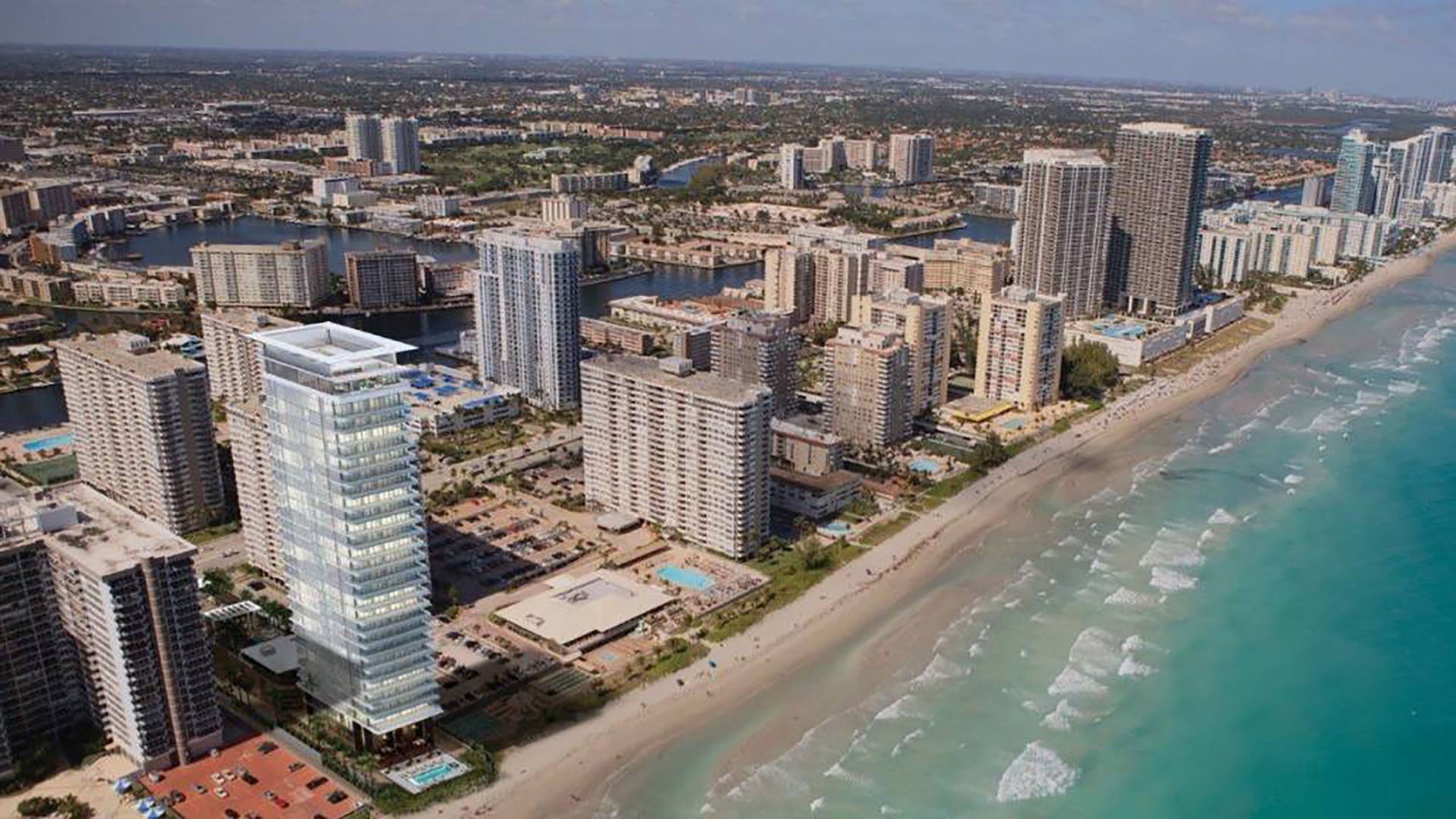
For many buyers, Hallandale Beach is evaluated through the familiar lens of water, architecture, privacy, club access, and easy movement between Miami and Fort Lauderdale. Yet for families planning a birth, or for multigenerational buyers who expect children and grandchildren to use the residence, delivery-room capacity deserves the same quiet scrutiny as elevator ratios, hurricane glazing, and reserve strength.
This is not about turning a real estate tour into a medical consultation. It is about understanding whether a residence supports the life that will unfold inside it. In Hallandale, where an oceanfront home may function as a primary residence, a second home, or a seasonal family base, the questions around maternity access can be surprisingly practical: how long it takes to reach preferred care, what happens during peak traffic, and how the building handles an urgent departure at 2 a.m.
The most refined buyers already ask about security, discretion, staff circulation, and service access. Delivery-room planning extends that same mindset to a deeply personal milestone. A home near the water can feel serene on a Tuesday afternoon, but a buyer with a due date on the calendar should test the same location against the realities of timing, staffing, weather, valet flow, and hospital intake.
Before comparing buildings, clarify your medical team and hospital preference with your physician. Real estate should follow that care plan, not the other way around. Ask whether your expected delivery site is fixed or flexible, whether your physician or practice delivers at more than one hospital, and how changes are handled if a preferred location is full or temporarily constrained.
Once that is clear, evaluate Hallandale as a living map. A buyer considering 2000 Ocean Hallandale Beach, for example, may be drawn first to the oceanfront setting and residential privacy. The maternity question adds a second layer: how comfortably does that address connect to the hospital routes and care providers your family actually intends to use?
Ask your physician direct, non-hypothetical questions. What should we do if contractions begin during rush hour? What if the assigned delivery area is at capacity? How often are patients redirected within the hospital system? Who makes that call, and at what stage? The answers may not be real estate facts, but they determine whether a glamorous address also feels composed under pressure.
The most useful questions are specific, calm, and operational. Begin with proximity, but do not stop there. Drive time can matter less than route reliability, building egress, and the ability to move from residence to vehicle without unnecessary friction.
Ask the sales team or building management how valet operates after hours, whether residents can self-park or stage a car quickly, and how guest access works for a doula, night nurse, pediatric nurse, or grandparent arriving without notice. Ask whether service elevators can be prioritized in an urgent situation, whether security requires advance authorization for recurring caregivers, and whether loading or receiving areas become congested at predictable times.
For new-construction buyers, the conversation should also include opening timelines, temporary procedures, and early operational maturity. A polished rendering does not yet reveal how a building performs at 4 a.m. Buyers looking at Shell Bay by Auberge Hallandale may naturally focus on lifestyle programming and the broader Hallandale setting, but family buyers should also ask how residential services, access control, and private transport coordination are expected to function once the property is occupied.
Consider the residence itself as well. Is the primary suite positioned for quiet recovery? Is there a secondary bedroom that works for overnight support? Can a nursery be located away from entertaining spaces? Is there a powder room near the living area so guests and caregivers do not pass through private zones? These are design questions, but in the weeks after delivery, they become questions of health and comfort.
Luxury buyers are often promised privacy, service, and ease. For maternity planning, those words need operational meaning. A building that performs beautifully for dinner reservations and beach chairs should also know how to handle a time-sensitive departure, a physician-approved support team, and a family member arriving with minimal notice.
Ask whether the building has written procedures for medical access or emergency response. Ask how front-desk staff communicate with valet, security, and management. Ask whether an ambulance can access the property without delay, and whether any gates, ramps, garages, or porte-cochere constraints could slow movement.
This is especially relevant in a market where residences may be highly serviced and private. Privacy is valuable, but it should not become friction. The best buildings balance discretion with clarity. Staff should not need to improvise when a resident is in labor, when a newborn is returning home, or when postpartum support begins working a regular overnight schedule.
Hallandale sits within a broader luxury corridor that includes Aventura, Sunny Isles, Hollywood, and Fort Lauderdale. For some buyers, the right answer is not simply the closest beach or the newest tower. It is the address that best harmonizes family logistics, physician access, airport preferences, schools, clubs, and extended-family patterns.
A buyer who likes Hallandale may also study Avenia Aventura for proximity to daily conveniences, or St. Regis® Residences Bahia Mar Fort Lauderdale for a different coastal rhythm. The exercise is not to rank one neighborhood above another. It is to pressure-test each option against the same family scenario: labor begins unexpectedly, traffic is imperfect, and the building team must execute without drama.
For buyers comparing Hallandale, Sunny Isles, and Fort Lauderdale, the right question is not “Which is more luxurious?” It is “Which address reduces uncertainty for our family?” That answer may vary by physician, season, family support, and tolerance for driving. It may also change if the home is intended as a second home rather than a primary base.
Treat delivery-room capacity as one chapter in a wider family-readiness review. Confirm your physician’s delivery protocols. Understand hospital alternatives. Drive the route at different times. Ask building management about after-hours procedures. Confirm caregiver access. Evaluate recovery space inside the residence. Consider where visiting grandparents will sleep. Think about parking, elevators, stroller storage, package handling, and the practical return home with a newborn.
If a residence is truly luxurious, it should support life’s most delicate transitions without theatrical effort. The view may sell the first impression, but the quiet choreography of staff, space, and access is what makes the home livable when the stakes are personal.
In Hallandale, that is the real standard. Not fear. Not overplanning. Just a refined form of due diligence that recognizes a home is more than an asset. It is the setting for a family’s most consequential days.
Should I ask a developer about delivery-room capacity directly? Ask about building logistics, access, valet, security, and emergency procedures. Medical capacity questions should be directed to your care team or hospital.
Is proximity to a hospital enough when buying in Hallandale? No. Route reliability, building egress, valet response, and after-hours access can matter as much as distance.
Should delivery planning affect whether I choose oceanfront property? It can. Oceanfront living may be ideal, but buyers should still test traffic patterns, access points, and urgent departure procedures.
What should I ask building management before closing? Ask how staff handle medical access, after-hours valet, caregiver entry, service elevators, and emergency vehicle arrival.
Does new construction require different questions? Yes. Ask how operations will work at opening, who manages resident services, and what procedures are documented before occupancy.
How should second-home buyers think about maternity access? Confirm whether your physician and hospital plan apply while you are in residence. Seasonal use can complicate assumptions.
Can a luxury concierge coordinate hospital transport? Some buildings may assist with car or valet logistics, but medical transport decisions should follow your care team’s guidance.
Should I test the hospital route before buying? Yes. Drive it at different times, including evenings and weekends, to understand how the address performs in real conditions.
Do I need space for postpartum support? Many families value a private room for a night nurse, doula, relative, or caregiver during the early weeks after delivery.
Is Hallandale suitable for family-focused luxury buyers? Hallandale can suit family buyers when the residence, care plan, and building operations align with daily and urgent needs.
For a discreet conversation and a curated building-by-building shortlist, connect with MILLION.
If branded residences are on your mind — as a home or as an allocation — we would be glad to share what we are seeing, privately.
Begin a quiet conversation