A discreet operational guide to moving fine art from Singapore into a Bal Harbour condominium, from crate and elevator planning to stable climate control and installation.
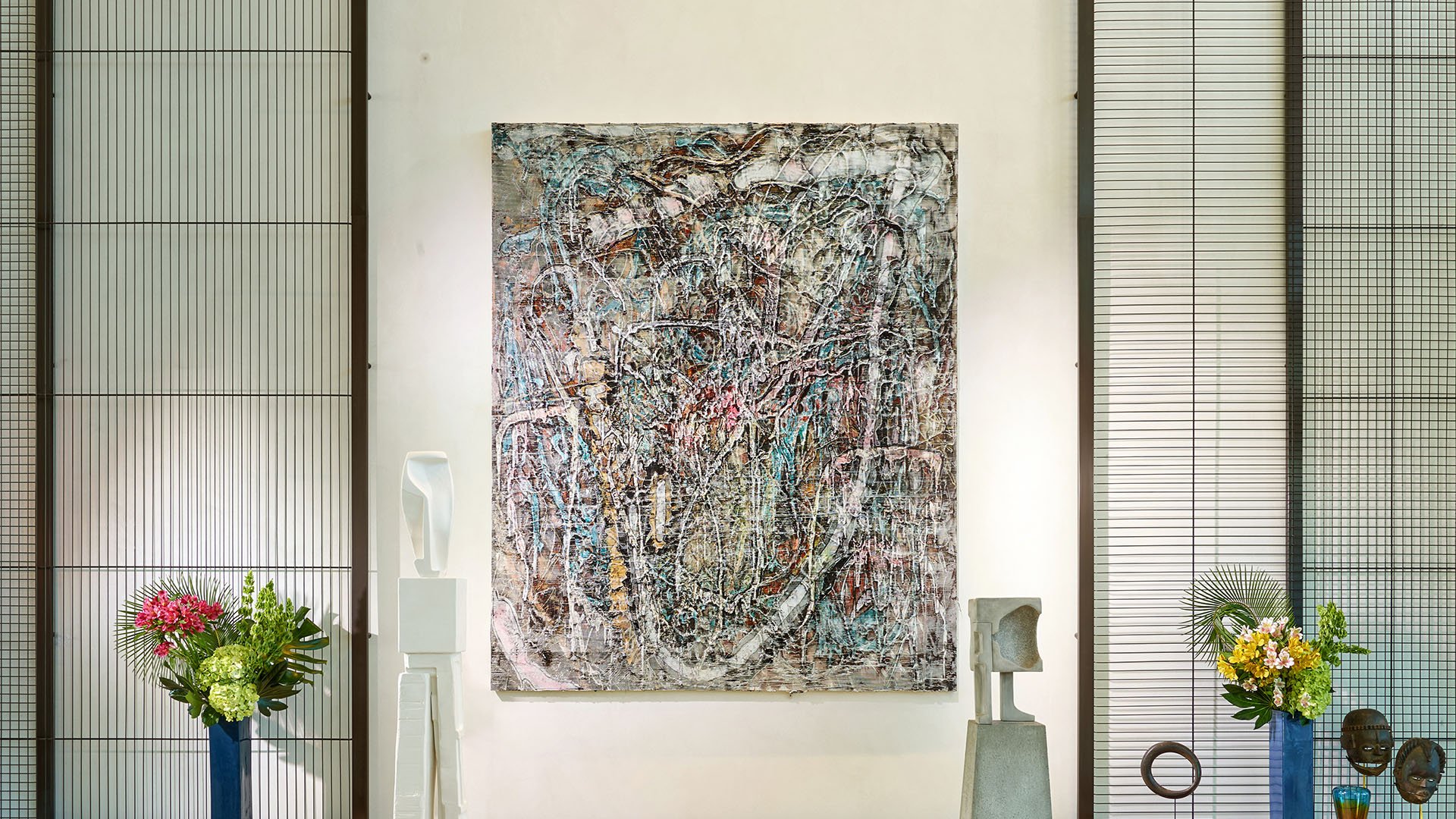
For a family relocating from Singapore to Bal Harbour, moving art is not a decorative afterthought. It is a coordinated transfer encompassing international transport, customs clearance, building access, environmental readiness, condition reporting, uncrating, and installation. Every stage should be planned before the first crate leaves its origin.
That planning belongs in residential due diligence. Whether considering Oceana Bal Harbour, Rivage Bal Harbour, or another condominium, buyers should request current service procedures from management rather than assume one building operates like another. Those rules can determine crate dimensions, handler staffing, delivery timing, and even whether an oversized work can reach the residence intact.
This Buyer's Guides approach is especially important for a Waterfront home, where the desired Lifestyle may depend on displaying significant works without compromising their physical stability. The collection plan and residence plan should therefore advance in concert.
The safest arrival is one in which the residence, building, and art team are ready at the same moment.
Appoint one lead coordinator with visibility across the origin handler, international carrier, customs process, temporary storage, Miami art handler, condominium management, designer, installer, and family office. A single master schedule should identify who controls the collection at every handoff and allow contingency time for clearance or delivery delays.
Before booking transport, create a crate register documenting each packed object's external dimensions, orientation, handling requirements, and intended room. Check that register against the entire service route in Bal Harbour. The narrowest service door, elevator opening, cab, corridor turn, or residence entry can become the controlling dimension. Oversized paintings and sculptures require particular scrutiny: a crate may fit inside the elevator yet still fail at the door or turning radius.
Sequence arrivals according to installation logic, not merely shipping convenience. Works destined for deeper rooms may need to enter first. Pieces requiring specialist rigging should be separated from straightforward wall installations. Crates should remain closed until the destination environment is stable and the condition-reporting team is ready.
Never infer the freight-elevator policy of a Bal Harbour condominium. Request the latest written rules directly from management, including move-in and delivery windows, service-entrance instructions, elevator reservations, cab padding, floor and wall protection, approved staffing periods, and any restrictions on weekends or holidays.
Request the exact certificate-of-insurance wording and identify every party that must be named before the Miami handler issues its certificate. Confirm submission deadlines and whether management requires vendor approval or additional documentation. Resolve these administrative details before the shipment enters its final delivery window.
For families comparing Bal Harbour with nearby coastal options such as Arte Surfside or The Surf Club Four Seasons Surfside, the same principle applies: obtain property-specific rules and measure the actual service path. Brand, age, and architectural stature do not establish an elevator protocol.
A practical pre-delivery walkthrough should include the art handler, building representative, designer or owner's representative, and, where necessary, the installer. Photograph protected surfaces, confirm staging space, identify loading access, and verify where unopened crates may stand without blocking circulation or exposing art to unstable conditions.
For most fine art, a practical residential target is 68-72°F and 40-55% relative humidity. In a Bal Harbour residence, approximately 70°F and 45-50% RH can serve as a sensible operating target for principal display and storage zones. Stability matters more than repeatedly pursuing a single exact setpoint.
Paintings on canvas or wood generally favor a stable 40-60% RH, with 50% often serving as a central value. Hygroscopic materials-including canvas, textiles, and works containing animal glue-are vulnerable to environmental movement; a useful limit is no more than a 10% RH fluctuation over 24 hours. Particularly sensitive works may require tighter, conservator-led parameters.
Commission and stabilize HVAC and dehumidification before opening any crate. Collection zones should remain continuously conditioned, 24/7, rather than having climate control reduced overnight or on weekends. Place calibrated monitors in representative display and storage areas, not only beside a thermostat, and review trends for abrupt humidity changes. Average readings may appear acceptable even when brief swings place mechanical stress on moisture-sensitive objects.
If construction, millwork, painting, or mechanical commissioning remains underway, retain the collection in temporary, climate-controlled fine-art storage. Professional storage commonly operates around 45-55% RH and within 59-77°F, with tighter parameters for exceptional objects. Delaying installation is preferable to exposing a collection to dust, active trades, or an unproven interior climate.
Upon arrival, the handler should document each crate's condition before moving it into the residence. Uncrating and object-level condition reporting should proceed in a controlled sequence, with sufficient space, light, and time to inspect every work. Any indication of impact, moisture, or temperature-related concern should pause installation until the appropriate specialist has reviewed it.
Do not compress acclimatization into an arbitrary timetable. The correct approach depends on the work, its materials, packing system, transit history, and the difference between transport and interior conditions. A qualified conservator or fine-art handler should determine the sequence for unusually sensitive paintings, works on paper, photographs, textiles, metals, and mixed-media objects.
If paintings must wait before installation, keep them vertical rather than stacked flat, with soft barriers separating individual works. Ensure temporary staging does not position objects beside exterior doors, active air vents, wet walls, or direct heat sources. The installation plan should also preserve access for future inspection and environmental monitoring.
Before authorizing final delivery, confirm five items in writing: the customs and transport schedule; crate dimensions measured against every service-route constraint; the reserved elevator and approved protection plan; accepted insurance documentation; and a residence that has demonstrated stable temperature and RH.
Then align the people. Management should know the arrival window; the handler should hold the current rules; the installer should understand wall assemblies and object weights; and the owner's representative should control approvals. A duplicate inventory, photographs, condition records, climate readings, and installation locations should remain accessible to the family office after the move.
The most discreet relocations are rarely the fastest. They are the ones in which no crate waits in an unsecured loading area, no installer discovers an elevator constraint on delivery day, and no work is opened in a residence whose climate is still settling.
For private guidance on selecting a collection-ready South Florida residence, connect with MILLION.
If branded residences are on your mind — as a home or as an allocation — we would be glad to share what we are seeing, privately.
Begin a quiet conversationApproximately 70°F and 45–50% RH is a practical operating target for primary display and storage zones, with stability prioritized over a perfect setpoint.
Yes. Collection areas should remain conditioned 24/7 rather than having HVAC or dehumidification reduced overnight or on weekends.
Open crates only after the residence's HVAC and dehumidification have been commissioned and stabilized, and the condition-reporting team is ready.
For hygroscopic objects, guidance supports no more than a 10% RH fluctuation over 24 hours, though a conservator may set tighter limits.
Obtain current written requirements directly from condominium management, including scheduling, service access, padding, protection, insurance, and delivery restrictions.
Compare every packed crate with the service door, elevator opening, elevator cab, corridor turns, residence entry, and other points along the delivery route.
Ask for the exact certificate-of-insurance wording, required coverage details, named insured parties, and submission deadlines before the handler issues the COI.
Use temporary climate-controlled fine-art storage until construction is complete and the residence has demonstrated a stable environment.
Keep paintings vertical rather than flat-stacked, separate them with soft barriers, and avoid unstable or obstructed areas.
A qualified conservator should establish material-specific parameters for unusually sensitive paintings, paper, photographs, textiles, metals, and mixed-media works.