A discreet operating plan for Seoul families coordinating Coconut Grove arrivals, airport transfers, Formula 1 traffic, Fort Lauderdale boat-show traffic, and private drivers.
For a family moving from Seoul to Coconut Grove, South Florida’s event calendar is best understood as a series of distinct mobility zones. Formula 1 activity is associated with the Hard Rock Stadium area in Miami Gardens, while the Fort Lauderdale boat show affects travel around the Fort Lauderdale waterfront. Coconut Grove is not at the center of either event area, but northbound plans can still become more complicated.
That distinction should inform airport bookings, chauffeur instructions, and same-day appointments. A driver collecting family members at Miami International Airport and continuing to the Grove follows a different operating plan from a car assigned to FLL, a Fort Lauderdale marina, or Miami Gardens. The polished approach is not simply to allow more time, but to identify which event zone each journey may enter.
The most reliable itinerary separates airport arrival, stadium access, and waterfront travel into distinct movements.
Formula 1 traffic management can affect access around Hard Rock Stadium. Current-year advisories should therefore be checked shortly before travel, with the driver brief updated to reflect any active restrictions.
For household planning, race weekend is better treated as a special operating condition than as ordinary rush-hour congestion. A northbound run from Coconut Grove toward Miami Gardens deserves its own schedule, vehicle plan, and contingency.
Avoid placing an airport collection, school-related commitment, property appointment, and stadium arrival into one tightly connected chain. If one movement is delayed, the rest of the day should remain protected.
For many Coconut Grove arrivals, Miami International Airport offers the more direct operating plan because the transfer remains within Miami-Dade. This does not guarantee a particular travel time, but it avoids making a Fort Lauderdale-to-Grove transfer the first movement after a long international flight.
For Seoul families, the flight and ground itineraries should be designed together. Record the terminal, scheduled arrival, expected luggage volume, child-seat requirements, meet-and-greet location, and the lead passenger’s name and mobile number. Before departure, the driver should also receive an alternate route and a clear waiting policy.
FLL can still be part of the plan, but the transfer requires a cross-county movement. Build in a meaningful buffer and protect the first appointment after arrival. A homecoming should end at the residence rather than with a rushed handoff to another engagement.
A sophisticated chauffeur plan should be concise enough to read quickly yet detailed enough to eliminate ambiguity. Begin with the exact pickup point, flight time, terminal, passenger count, luggage profile, and child-seat configuration. Then specify the destination, preferred route, approved alternate, waiting policy, and the person authorized to make changes.
Assign one household contact to communicate with the driver. Instructions from multiple family members can create avoidable confusion, particularly after a long international journey. If a second vehicle is required for staff or luggage, determine whether it will follow the principal car or proceed independently. Keep the arriving family’s vehicle free of errands unrelated to the transfer.
When airport and stadium schedules are close, dedicate different cars to the two assignments. The stadium vehicle should be staged according to current access guidance rather than assumptions based on an ordinary day.
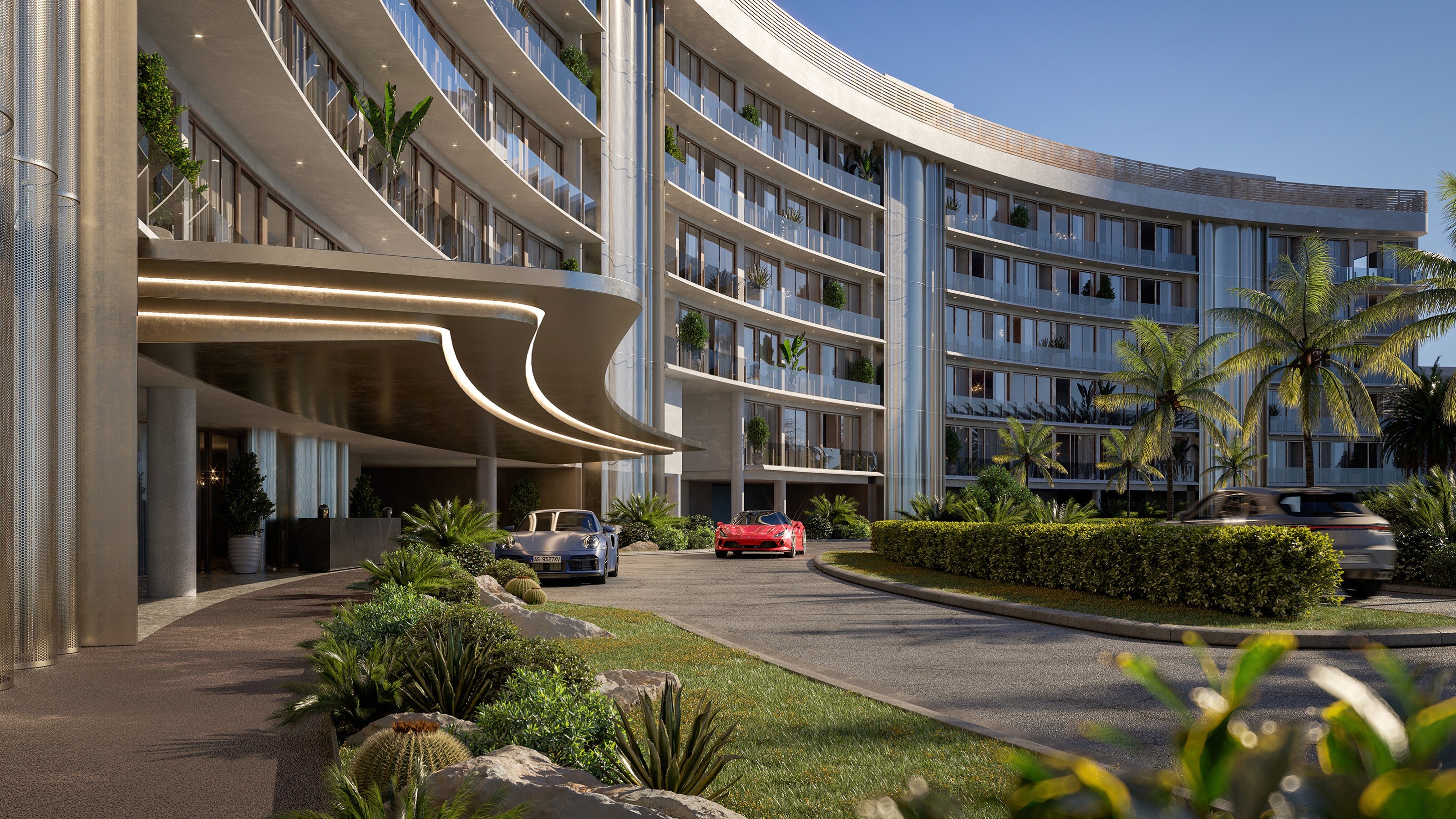
This is also a useful lens for residence selection. Driver staging, household coordination, and the direction of frequent travel can matter as much as the visual impression of an arrival court.
Boat-show traffic should be planned as a Broward County waterfront movement rather than as part of the Coconut Grove schedule. It matters most when a Grove household arranges a same-day journey to FLL, a Fort Lauderdale waterfront venue, or the show itself.
Do not apply the Formula 1 plan to the boat show. Stadium access and Fort Lauderdale waterfront circulation are separate assignments, and each requires its own timing review. A trip north should be treated as a protected block rather than inserted between Miami-Dade commitments.
The discreet solution is to organize the day around fewer, more deliberate movements. Avoid placing a Fort Lauderdale waterfront visit between an airport collection and an evening engagement in Coconut Grove. If family members have different priorities, dedicate one vehicle to the northern itinerary rather than repeatedly repositioning a chauffeur across county lines.
Coconut Grove offers a useful base for families whose daily life centers on Miami-Dade. Buyers comparing Four Seasons Residences Coconut Grove, Park Grove Coconut Grove, and The Well Coconut Grove can make transportation planning part of the residential review rather than an afterthought.
The same principle applies to a more intimate point of arrival such as The Lincoln Coconut Grove. Before move-in, the household manager can rehearse the airport approach, confirm where a chauffeur should wait, and decide how luggage, children, guests, and staff will be received. These are operational considerations, not claims about a particular building’s services.
This lifestyle planning is especially valuable for globally mobile households. A residence works best when the family office, driver, and local contact share one version of the itinerary and understand which journeys remain flexible.
Three days before travel, reconfirm the airport, terminal, flight status, passenger details, vehicle type, and child-seat needs. Review current event controls and label every journey by zone: central Miami, Miami Gardens, or the Fort Lauderdale waterfront. On the day of travel, retain one decision-maker and one communication channel.
Avoid guaranteed drive-time promises. Current access guidance and meaningful buffers are more dependable planning inputs than a precise estimate. The luxury is not speed at any cost; it is a calm arrival protected by clear contingencies.
For private guidance on Coconut Grove residences and a move calibrated to your family’s schedule, connect with MILLION.
If branded residences are on your mind — as a home or as an allocation — we would be glad to share what we are seeing, privately.
Begin a quiet conversationMiami International Airport often offers the more direct operating plan because the transfer remains within Miami-Dade.
Traffic controls around the event area can disrupt ordinary routing. The household should review current guidance and prepare a separate contingency plan.
Give the journey its own schedule, vehicle assignment, and alternate route. Avoid linking it tightly to an airport pickup or another fixed commitment.
Yes. Review current-year guidance shortly before departure because access arrangements can vary.
No, but it requires a cross-county transfer and a larger scheduling buffer than a more local movement.
Yes. Treat the Fort Lauderdale waterfront as a distinct travel zone rather than combining it with Miami-Dade commitments.
Include the pickup point, terminal, flight time, passenger count, luggage profile, child-seat needs, alternate route, waiting policy, and decision-maker.
When schedules are close, separate vehicles can keep stadium conditions from disrupting an airport collection.
No. Use meaningful buffers and current access guidance instead of promising an exact journey time.
A review three days before travel is useful, followed by a same-day check of flight status and event conditions.