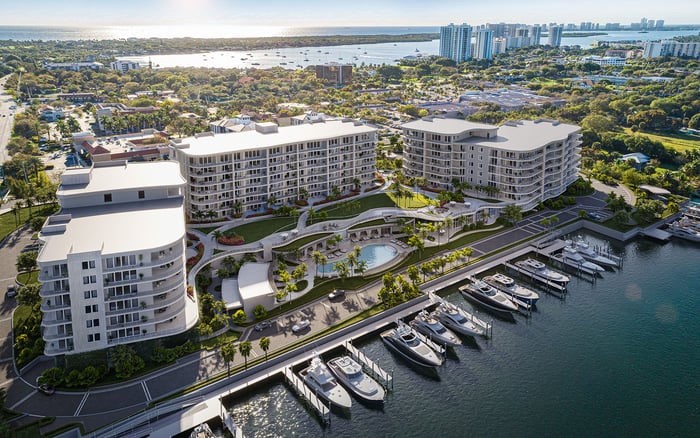
Palm Beach winter ownership is more seamless when residence selection, marina access, crew movements, provisioning, and vessel requirements are evaluated as one operating plan.
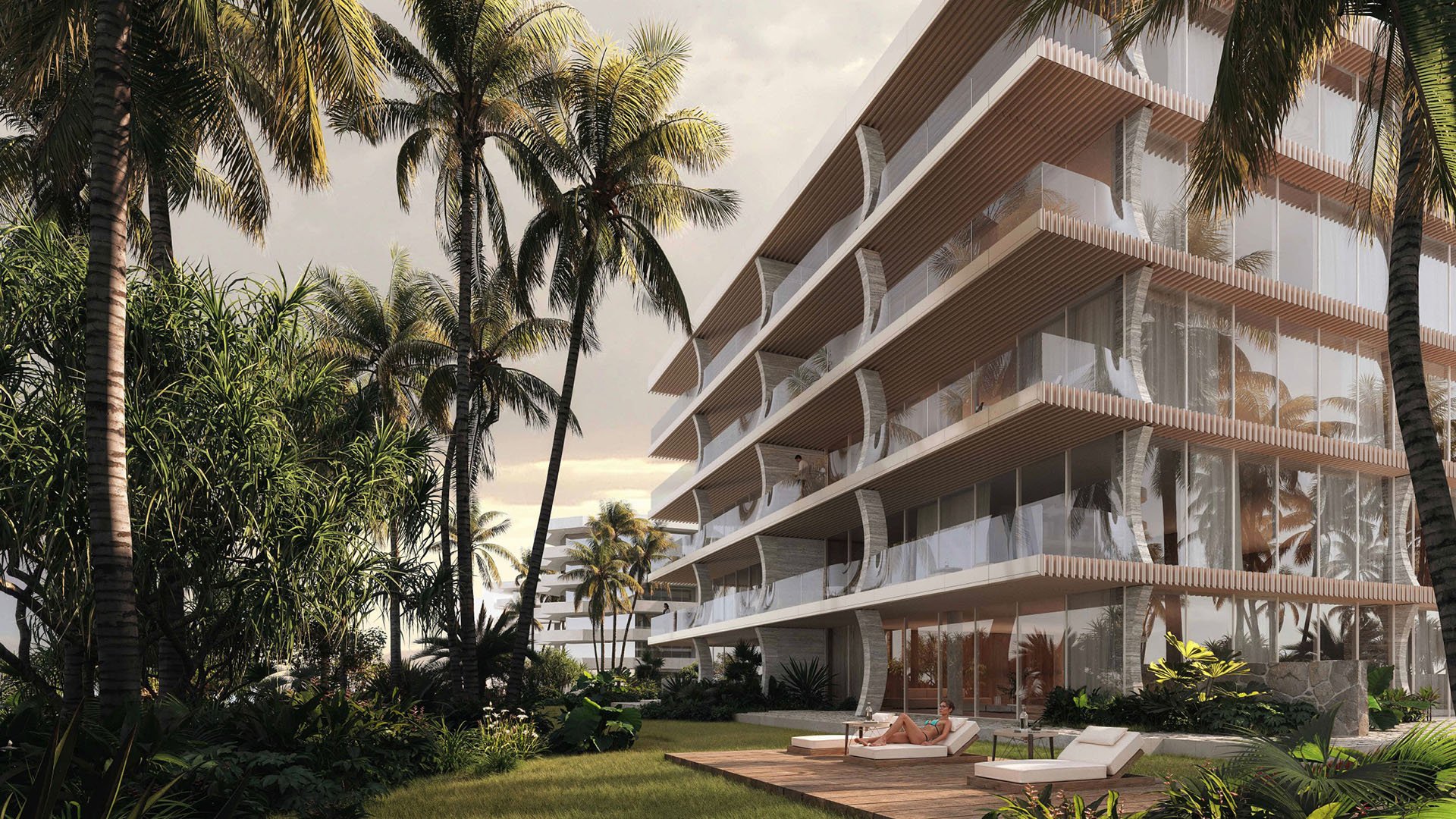
For seasonal owners, a Palm Beach residence and a yacht berth should be considered together. A home may suit the owner’s preferred social and personal routine, but the arrangement can feel less effortless when the vessel, captain, crew, vendors, and household staff follow a different daily pattern.
The central question is not simply which marina appears closest. The more useful test is whether a berth fits the yacht’s verified dimensions and technical requirements while supporting the owner’s arrival preferences, crew transportation, provisioning routine, and anticipated service work.
A composed winter stay starts by aligning the residence, berth, and crew routine before arrival.
The captain’s technical brief should come before a marina decision. It should cover overall length, beam, draft, shore-power needs, fueling requirements, maneuvering considerations, security expectations, waste handling, vendor access, and any maintenance planned during the stay.
Owners should ask marina staff to confirm current berth availability and compatibility directly. Published descriptions, prior arrangements, and general impressions are not substitutes for written confirmation tied to the specific vessel. The same caution applies to operating hours, reservation terms, seasonal arrangements, and access for contractors or deliveries.
This process also helps distinguish between three broad priorities: proximity to an island residence, convenient access to downtown services, or a full-service environment suited to a more operationally demanding yacht program. The correct balance depends on how the owner expects to use the vessel and how much shoreside support the crew will require.
Residential selection should reflect the owner’s usual movement between home, yacht, dining, appointments, and recreation. Buyers focused on an island-oriented lifestyle may consider Palm Beach Residences while separately verifying whether an appropriate berth can support their vessel and preferred schedule.
Across the lagoon, Forté on Flagler West Palm Beach and The Ritz-Carlton Residences® West Palm Beach can form part of a West Palm Beach search shaped by access to urban services and the broader waterfront corridor. The evaluation should focus on practical travel patterns rather than an assumed door-to-dock experience.
Shorecrest Flagler Drive West Palm Beach may also suit a location-led shortlist. In every case, the residential purchase and marina arrangement should be reviewed as separate decisions, with neither treated as a guarantee of the other.
A successful seasonal plan considers the crew’s routine as carefully as the owner’s. Captains and crew may need dependable transportation, practical access to groceries and pharmacies, places to handle administrative work, laundry options, fitness or recreation, and straightforward routes for deliveries.
The relevant question is whether those needs can be met efficiently from the proposed berth. A marina close to the residence may still create friction if crew transport, parking, deliveries, or vendor access are difficult. Conversely, a berth farther from the home may be workable when it offers a better operating environment and a reliable transfer plan for the owner.
Before committing, map the daily movements of the captain, deck crew, interior crew, household staff, and drivers. Identify who will coordinate arrivals, how last-minute purchases will be handled, where packages can be received, and what happens when the yacht requires technical attention.
Provisioning is best divided into routine household-style replenishment and specialized vessel requirements. Routine needs may include food, beverages, flowers, guest items, and personal supplies. Operational needs can involve marine vendors, maintenance materials, technical specialists, and time-sensitive deliveries.
The captain should confirm each marina’s current rules for delivery vehicles, subcontractors, loading, storage, and access credentials. Owners should avoid assuming that a convenient residential location will automatically support the vessel’s supply chain.
A simple trial run can reveal weaknesses before the seasonal stay. Test the travel route between residence and berth, identify suitable handoff points, confirm who accepts deliveries, and establish backup options for urgent requirements. The goal is not complexity; it is a repeatable system that remains discreet and dependable.
Each candidate marina should be assessed with the same checklist. Begin with vessel compatibility and navigation considerations, then review utilities, security procedures, fueling, waste services, crew facilities, transportation, provisioning access, vendor rules, and emergency contacts.
The owner’s priorities should be ranked separately. These may include a shorter transfer from home, privacy, convenient guest embarkation, ease of entertaining, access to dining, or the ability to support maintenance without disrupting the winter schedule.
A weighted comparison can make trade-offs visible. Technical compatibility should remain a threshold requirement, while lifestyle convenience can help distinguish among suitable options. If a berth does not meet the captain’s confirmed requirements, residential proximity should not override that limitation.
Once a preferred arrangement is identified, document responsibilities. The captain can manage vessel specifications and marina coordination, while the household team can organize drivers, guest movements, provisioning preferences, and residence access. A single point of contact should oversee changes that affect both sides of the plan.
Owners should also review contingencies. A practical brief can address schedule changes, vendor delays, maintenance needs, guest transfers, and alternative transportation. Any backup berth or service option must be confirmed directly rather than assumed.
Palm Beach winter ownership feels most composed when the home and yacht support the same lifestyle without forcing the crew into an inefficient operating pattern. The strongest decision is therefore not based on a marina name or residential address alone, but on verified vessel compatibility, manageable shoreside logistics, and a provisioning plan suited to the owner’s routine.
For a discreet conversation about aligning a South Florida residence with your seasonal priorities, connect with MILLION.
If branded residences are on your mind — as a home or as an allocation — we would be glad to share what we are seeing, privately.
Begin a quiet conversationThe two choices shape owner transfers, crew movements, provisioning, and vendor access. Evaluating them together can reveal practical conflicts before the seasonal stay.
The captain should verify vessel dimensions, draft, power, fueling, maneuvering needs, security procedures, waste handling, and service access directly with the marina.
No. Technical compatibility, crew logistics, and service requirements may matter more than residential proximity.
Use the same checklist for vessel compatibility, utilities, security, fueling, crew facilities, transportation, deliveries, and vendor access.
Transportation, parking, deliveries, groceries, laundry, administrative work, recreation, and access for contractors should be considered before arrival.
Separate routine guest and household supplies from specialized vessel needs. Confirm delivery rules, handoff locations, and backup options in advance.
No. The residence and marina arrangement are separate decisions, and berth suitability and availability should be independently confirmed.
It can be considered by owners who value an urban shore routine and access to the broader waterfront corridor. Actual travel and marina arrangements should still be tested directly.
Create a contingency brief covering transport, deliveries, maintenance, guest transfers, and confirmed alternatives. Assign one person to coordinate changes affecting both home and yacht.
The goal is to align verified vessel needs with the owner’s lifestyle, crew efficiency, and dependable shoreside support.