Private elevator access and advertised backup power deserve separate scrutiny. This buyer’s checklist explains what to confirm about alternate access, generator-backed circuits and operational readiness at The Ritz-Carlton Residences® Palm Beach Gardens.
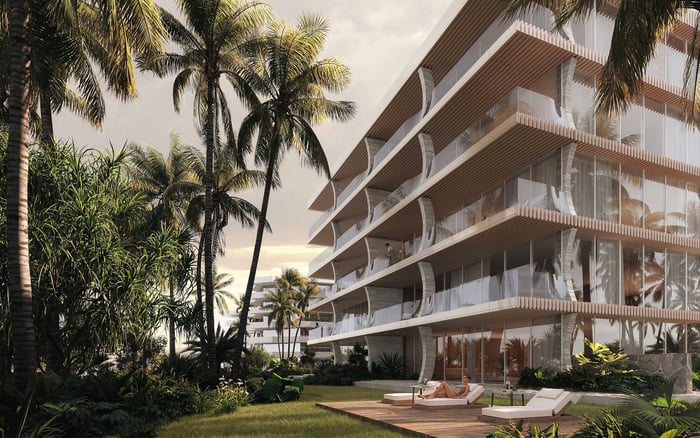
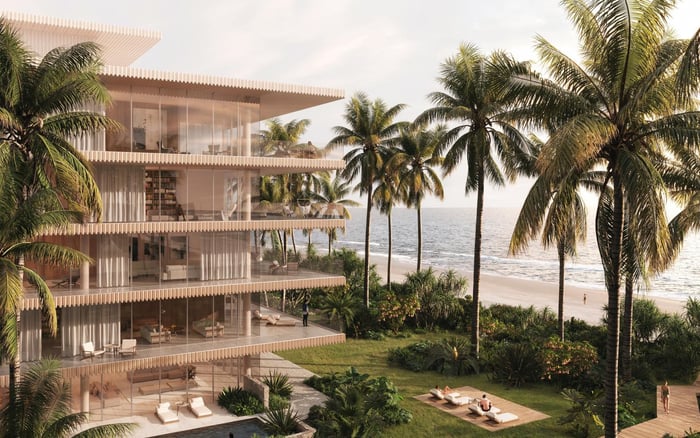
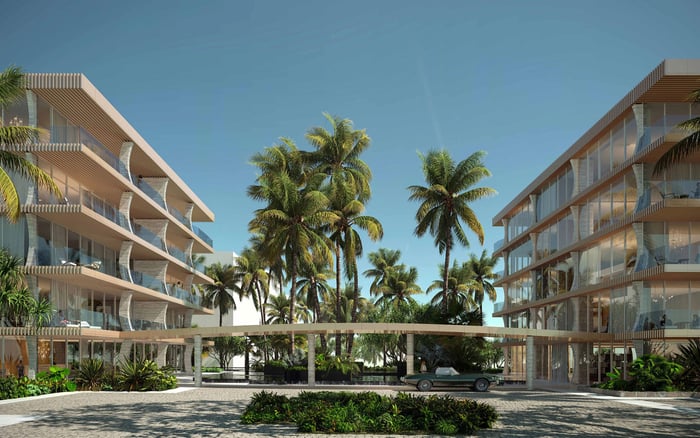
At The Ritz-Carlton Residences® Palm Beach Gardens, the setting establishes the appeal: 14 acres of Intracoastal waterfront, 1,040 feet of direct frontage and a 106-residence condominium development at 2200 PGA Boulevard. For a serious buyer, however, the most revealing conversation may concern something less visible than the water: how reliably the residence remains accessible and comfortable when a building system is unavailable.
Private arrival and backup electricity address different needs. Neither alone establishes that an owner can reach the same vestibule, use the same appliances or maintain the same indoor conditions during an interruption. The purchase decision calls for a residence-specific understanding of access and power-not a general impression of resilience.
The essential distinction is simple: advertised backup power and private elevator access do not confirm continuous elevator service during outages. Unconfirmed coverage is not evidence that coverage is absent. It is a reason to request precise documentation.
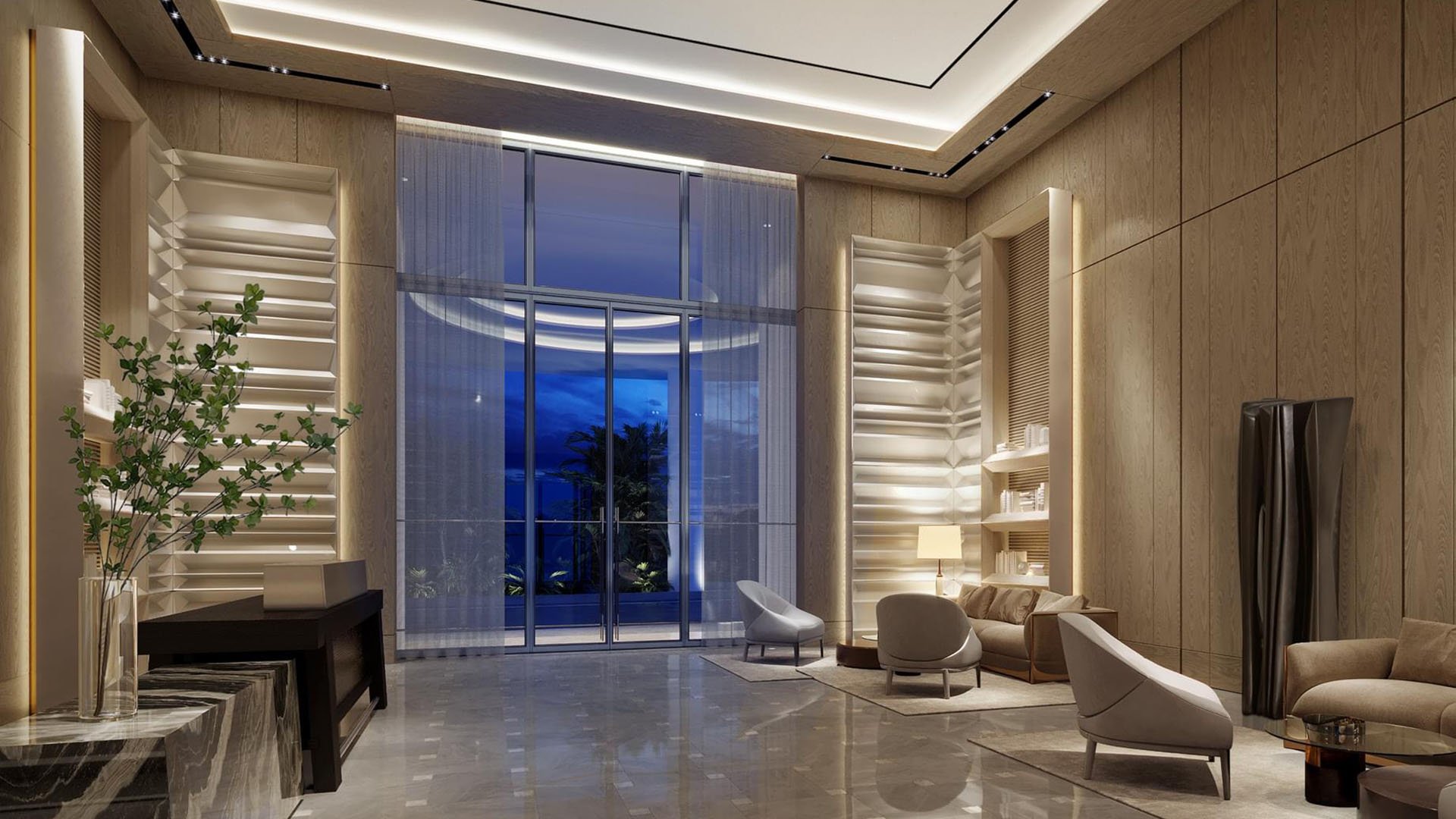
The advertised elevator feature is electronic fob-controlled access to private entry vestibules. That describes arrival and access control. It does not establish a dedicated elevator car for every residence, the number of cars serving a particular home or an alternate elevator route if one car is unavailable.
Begin with the exact residence under consideration. Ask the sales and technical teams to map its normal route from parking to the private vestibule, then show the alternative when the usual elevator is out of service. A second elevator elsewhere matters only if its route serves the residence and remains available under the relevant operating conditions.
Request written answers to four practical questions:
Which elevator cars serve this residence, and which landings can each reach?
If the usual car is unavailable, what alternate route can the owner use?
Does that route require staff assistance, different credentials or shared circulation?
How are deliveries, guests and residents with mobility needs accommodated during downtime?
The disclosed details do not establish redundant elevator capacity. They warrant neither reassurance nor alarm, but a request for a clearly mapped access plan.
The advertised wording is a “seamless backup power generator for residential comfort and uninterrupted communications in select common areas.” Read that language carefully. It does not establish whole-building backup, whole-residence backup or continued power to every residential circuit.
Rather than asking whether the property has a generator, ask what it serves. Request a written schedule identifying the backed-up circuits in the home under consideration and the shared systems on which daily use depends. Have the team distinguish confirmed coverage from optional provisions and matters awaiting final documentation.
For the residence itself, ask separately about air conditioning, refrigeration, lighting, receptacles, cooking equipment and communications equipment. For shared areas, ask about access controls, garage entry, water service and communications infrastructure. These are verification questions, not statements that any particular system is included or excluded.
Then ask how coverage changes with outage duration and demand. What fuel arrangement, expected operating duration, replenishment plan and load priorities support the stated service? Any duration should be tied to specified operating conditions, not presented as an unconditional promise.
Even an explicit generator coverage schedule requires an elevator-specific explanation. The disclosed specifications establish neither which elevators operate on generator power nor whether residents retain ordinary access during an outage.
Ask the technical team to distinguish emergency functions from resident transportation. Does backup operation permit continued passenger use, a restricted service pattern or another operating mode? How many cars can operate, which residences can they reach, and who controls their availability?
Request an explanation of the transition when utility power fails and when it returns. Ask whether staff intervention is required and what residents should expect as systems change operating modes. Do not interpret “seamless” as a confirmed transfer time or a guarantee of uninterrupted elevator movement.
For anyone whose daily routine depends on step-free access, this deserves priority before commitment. The question is not simply whether an elevator receives electricity, but whether the documented outage arrangement provides usable access to the specific home.
A disciplined Palm Beach search should apply the same questions across a shortlist. If The Ritz-Carlton Residences® West Palm Beach is also under consideration, request its own access and backup-power documentation. A shared brand does not imply a shared technical specification.
Use a comparison sheet with separate entries for normal elevator access, alternate access, generator-backed residential circuits and outage-time elevator operation. Mark each answer as documented, pending clarification or not applicable. This prevents a compelling presentation from substituting for an operational answer.
Apply the same discipline when evaluating Mr. C Residences West Palm Beach. Compare the evidence supplied for each candidate residence without presuming that either property offers superior redundancy or broader generator coverage.
The Palm Beach Gardens development includes a 29-slip private marina. Advertised amenities also include an infinity-edge heated pool, wellness center, clubhouse, guest suites, children's club, pickleball court and waterfront entertainment pavilion.
Those features describe the lifestyle offering, not an outage operating plan. Ask which shared spaces would remain accessible, which services would be suspended and how management would communicate changes. If boating is central to ownership, request the marina's separate access and interruption procedures rather than extending residential generator language to waterfront operations.
For an owner who travels frequently, resilience also means knowing who responds when the residence is unattended. Ask how management communicates elevator downtime, power interruptions and restoration, and what arrangements are available for authorized access to the home.
Construction progress should remain separate from operating readiness. The advertised construction status is the final phase; the stated summer 2026 completion target was a projection, not confirmation of completion. Neither establishes occupancy or commissioned systems. Request current completion documentation and the applicable testing and commissioning records before relying on operational assurances.
Before commitment, assemble the residence-specific elevator plan, backup-power schedule, outage procedures and available test documentation. Have an appropriately qualified adviser explain technical ambiguities and counsel clarify how material representations are reflected in the purchase documents. The objective is not a promise that nothing will fail, but a clear understanding of what remains usable when something does.
For a considered approach to South Florida residential ownership, explore MILLION.
If branded residences are on your mind — as a home or as an allocation — we would be glad to share what we are seeing, privately.
Begin a quiet conversationThe development is located at 2200 PGA Boulevard, Palm Beach Gardens, Florida.
The development is identified as a 106-residence condominium project.
No. Electronic fob-controlled elevator access to private entry vestibules does not establish a dedicated elevator car for each residence.
The disclosed specifications do not establish elevator count or redundant capacity. This does not prove redundancy is absent; buyers should request a residence-specific alternate access plan.
Whole-residence and whole-building backup coverage are not established by the advertised language. Buyers should request a written schedule of backed-up circuits and shared systems.
The disclosed specifications do not establish which elevators receive generator power or their outage operating modes. Ask specifically about continued resident transportation to the proposed home.
Ask separately about air conditioning, refrigeration, lighting, receptacles, cooking equipment and communications equipment. These are coverage questions, not confirmed generator-backed features.
Request the fuel arrangement, expected operating duration, replenishment plan and load priorities. Any runtime estimate should specify the operating conditions on which it depends.
Yes, the development includes a 29-slip private marina. Buyers should request marina-specific interruption procedures rather than assume residential backup provisions apply there.
No. Summer 2026 was a projected completion window, not confirmation of completion, occupancy or commissioned systems.