A buyer-focused examination of how capacity, reservations, fees, and guest permissions can determine the everyday value of an ambitious waterfront wellness program.
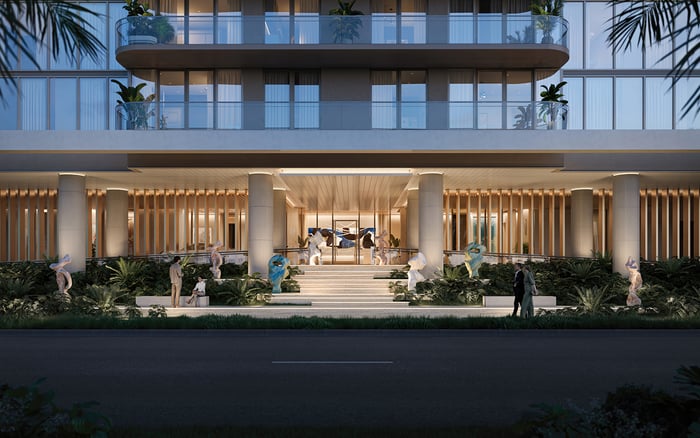
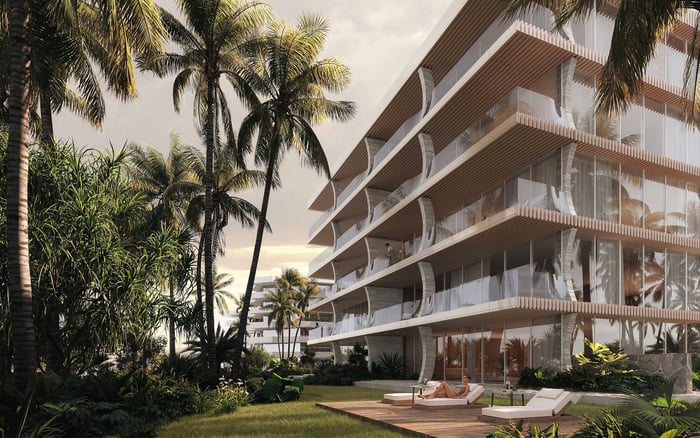
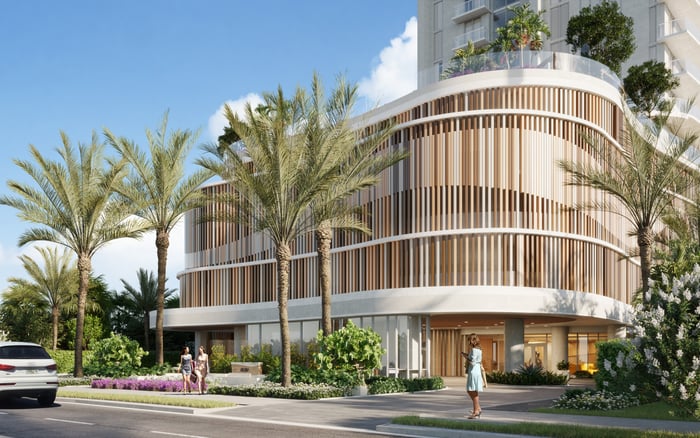
At The Ritz-Carlton Residences® Palm Beach Gardens, the appeal of waterfront living extends well beyond the residence itself. The development offers more than 20,000 square feet of indoor and outdoor amenity space, including a spa and wellness center, fitness environments, a yoga studio, pool, outdoor yoga lawn, meditation garden, pickleball court, and dog park.
That breadth is compelling, yet total amenity area does not equate to usable wellness capacity. The figure encompasses a broader program spanning dining, socializing, children’s activities, recreation, and entertainment. The allocation between wellness and non-wellness uses is not stated, nor are occupancy limits for the spa, fitness center, yoga studio, relaxation rooms, or treatment rooms.
For a luxury buyer, the practical question is not simply what exists. It is how reliably each space can be used at the preferred hour, with the preferred instructor, and with the preferred degree of privacy.
The true measure of a wellness amenity is not its description, but the consistency of access.
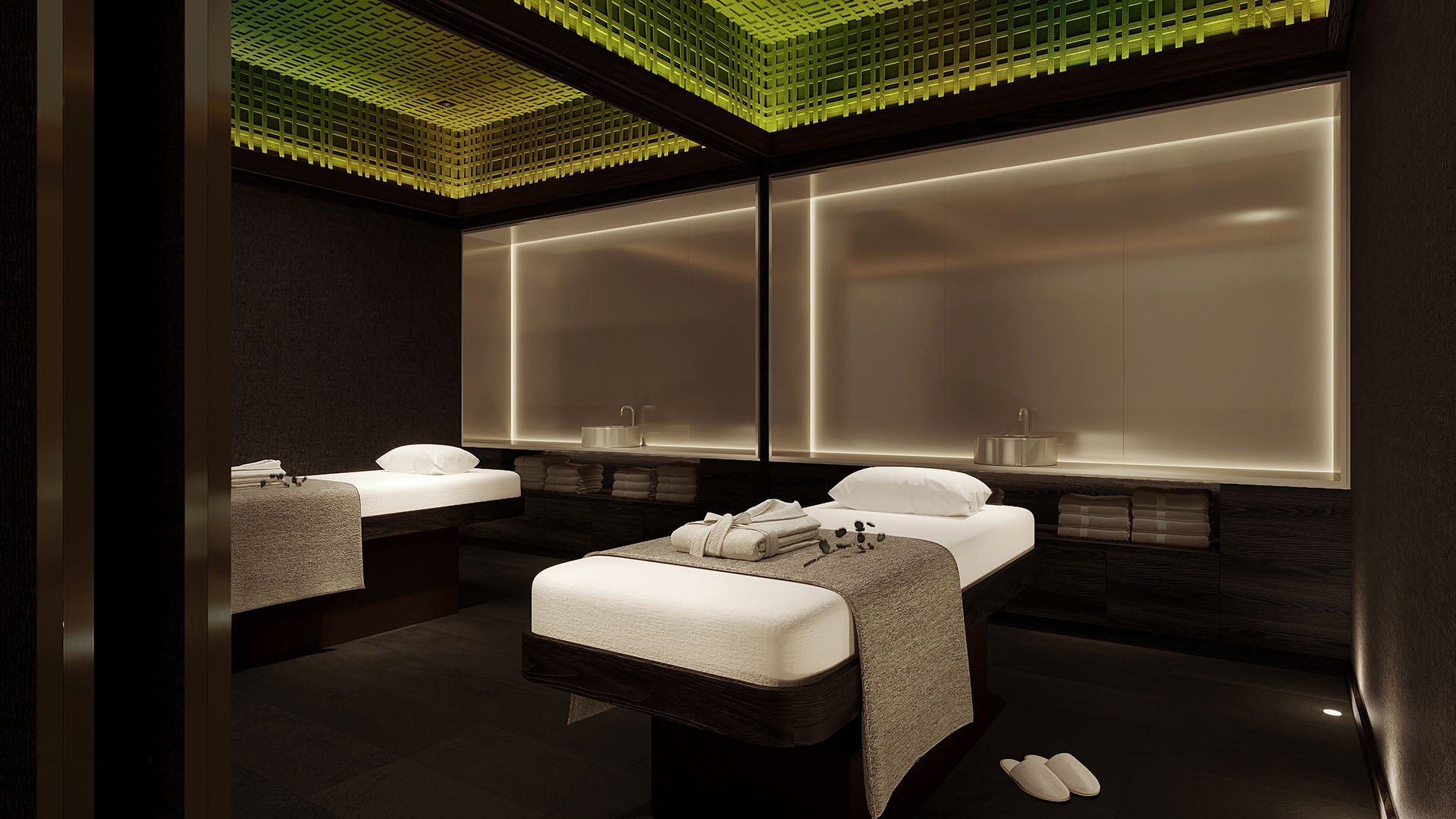
The planned spa and wellness center includes relaxation rooms, private treatment rooms, steam rooms, saunas, and rain showers. Fitness offerings include a fitness center, a dedicated breakout room, and a waterview yoga and fitness studio intended for classes or private instruction. Each function has distinct capacity constraints, so a single overall amenity figure cannot answer the most relevant questions.
Buyers should request the intended occupancy of each room, hours of operation, staffing coverage, class sizes, treatment-room count, appointment intervals, and any resident-to-room planning assumptions. Private treatment rooms are identified, but their number and operating cadence remain unspecified. The same uncertainty applies to peak-hour fitness access and the number of simultaneous private sessions the studio can accommodate.
This is a useful lens across South Florida branded residences. A buyer comparing the wellness proposition here with The Ritz-Carlton Residences® West Palm Beach or Mandarin Oriental Residences, West Palm Beach should compare rules and operating assumptions, not amenity names alone. Palm Beach luxury is often defined by service, but service still depends on scheduling, staffing, and enforceable access protocols.
Comprehensive 24/7 service includes assistance with spa reservations, suggesting that booking support is part of the service model. Yet it remains unclear whether those reservations cover on-site treatments, outside appointments, or both. Nor is it specified who administers wellness bookings, waitlists, cancellations, recurring reservations, or guest permissions.
Before purchase, ask whether classes, private training, treatment rooms, and other wellness services are appointment-only or first-come. Confirm the advance-booking window, daily or weekly limits, cancellation penalties, waitlist priority, late-arrival rules, and whether owners may hold repeating time slots. A polished digital interface or concierge desk is valuable, but neither resolves scarcity unless the underlying allocation policy is clear.
Fee treatment matters as well. Buyers should establish whether classes, personal training, spa treatments, and private instruction are included, separately charged, or subject to annual-use limits. The proposed operating budget and fee schedules should also reveal whether staffing and maintenance assumptions align with the service level being presented.
The essential distinction is this: an amenity is a physical asset, while access is an operating right. The latter can have a more immediate influence on daily satisfaction.
Guest policy can change the character of a wellness floor, particularly during holidays and high-occupancy weekends. Two fully serviced guest suites are reservable for residents’ overnight guests. Separately, guest suites are also available for purchase. Buyers should obtain a written explanation of how purchased suites differ from the two reservation-based accommodations.
The same care should extend to day guests. Residents’ guests are contemplated in connection with guest suites and pool cabanas, but comprehensive day-guest rules for the wellness center are not stated. Ask whether owners, tenants, overnight guests, accompanied day guests, and unaccompanied day guests receive different privileges. Confirm check-in requirements, host-presence rules, guest limits, blackout dates, charges, and whether a guest may book a treatment or class directly.
Controlled arrival is already part of the property concept through 24-hour on-site security, an entry gatehouse, and valet service. The remaining issue is how those arrival controls translate into permissions once a guest reaches the spa, studio, pool deck, or fitness center.
A wellness-led comparison with The Well Bay Harbor Islands should follow the same discipline. The brand story can frame an experience, but condominium documents and current rules define who may enter, reserve, pay, and bring guests.
The outdoor program includes a 100-foot heated infinity-edge pool with cabanas overlooking the Intracoastal Waterway. The stated arrangement distinguishes six first-come cabanas from six cabanas with private bathrooms sold individually. Buyers should verify the current structure and determine whether any separately acquired cabana conveys a permanent interest, a revocable license, or a right governed by association rules.
The 29-slip private marina offers another instructive example. Slips are available for lease to residents rather than included with every residence. Together, cabanas, guest suites, and marina slips demonstrate why apparently adjacent amenities can operate under materially different allocation systems.
Waterfront amenity planning must also account for the clubhouse’s resident lounges, private dining spaces, game room, and children’s area. These uses enrich the property, but they reinforce the need to understand how staffing, access, and operating costs are distributed across the full program.
The purchase review should include the condominium documents, current or proposed house rules, proposed operating budget, fee schedules, and reservation policies. Request written answers covering hours, occupancy, staffing, booking windows, waitlists, recurring reservations, cancellations, guest classifications, and separate charges.
Where a guest suite, cabana, or other amenity right may be purchased, have counsel identify precisely what is conveyed and how association powers may affect future use. Buyers should also ask who can amend operating rules, how notice is delivered, and whether priority differs among owners, tenants, and guests.
The objective is not to diminish an impressive wellness proposition. It is to establish whether its daily operation matches the buyer’s habits. In the ultra-premium market, predictability, privacy, and ease of access are part of the amenity itself.
For discreet purchase guidance and project-specific diligence, connect with MILLION.
If branded residences are on your mind — as a home or as an allocation — we would be glad to share what we are seeing, privately.
Begin a quiet conversationThe development is marketed with more than 20,000 square feet of indoor and outdoor amenity space. The portion dedicated specifically to wellness is not publicly divided out.
The planned program includes relaxation rooms, private treatment rooms, steam rooms, saunas, and rain showers.
No occupancy limits are stated publicly for the spa, fitness center, yoga studio, relaxation rooms, or treatment rooms.
The program includes a fitness center, dedicated fitness breakout room, and waterview yoga and fitness studio for classes or private instruction.
Private treatment rooms are identified, but their number, operating hours, appointment intervals, and resident-to-room ratio are not publicly specified.
Two fully serviced suites are described as reservable for residents’ overnight guests, while guest suites are also identified as available for purchase. Buyers should clarify the distinction in writing.
Comprehensive day-guest rules for the wellness center are not publicly stated. Buyers should confirm guest categories, host-presence requirements, limits, fees, and booking rights.
Public descriptions do not specify whether classes, training, treatments, or private instruction are included or separately charged. Review the budget and fee schedules before purchase.
The 29 marina slips are described as available for lease to residents rather than automatically included with every residence.
Request the condominium documents, house rules, proposed operating budget, fee schedules, and reservation policies, together with written clarification of guest and booking rules.