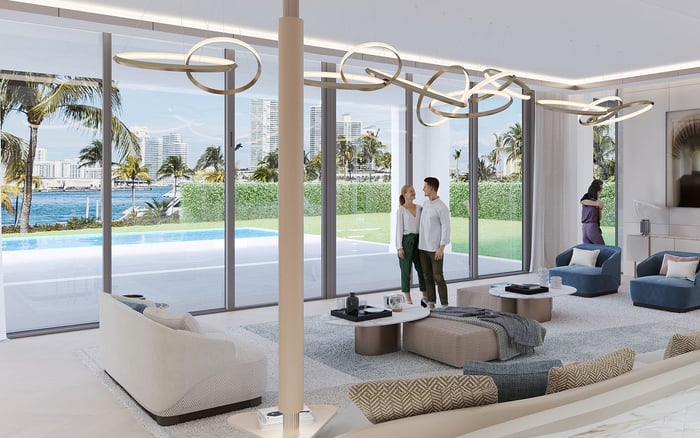
For seasonal Fisher Island buyers, the most consequential questions often concern school-day logistics, predictable travel, household continuity, and security protocols. A disciplined review of real-life routines can reveal more than a polished amenity presentation.
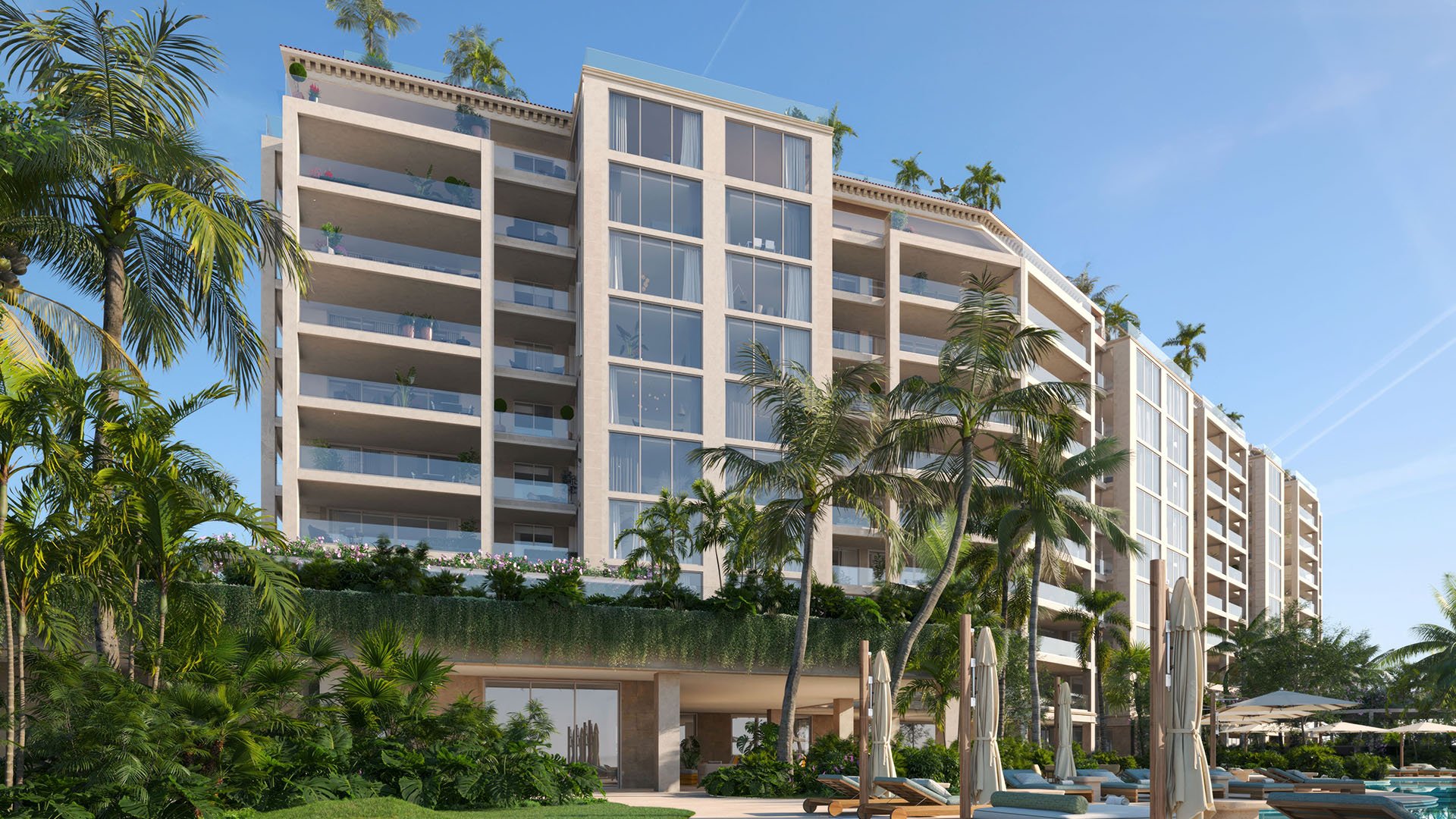
For seasonal owners, a Fisher Island residence is more than a beautiful place to arrive. It is a household that must function immediately, often after weeks or months away. The less time spent in residence, the more valuable predictability becomes. School mornings, professional commitments, household staffing, guest arrivals, deliveries, and security permissions can carry greater practical weight than any single leisure feature.
That shifts the buyer’s lens. Rather than begin with what a property offers on an ideal afternoon, consider what the household requires on an ordinary Tuesday. A second home should reduce friction, not concentrate it. For families, that means testing the residence against the calendar, the commute, and the operating standards expected whether the owners are present or absent.
Commute analysis should extend beyond a single estimated travel time. Seasonal owners benefit from mapping an entire week: early school departures, midday appointments, evening events, airport days, staff transitions, and the likelihood that family members will move on different schedules.
Build several versions of that week. One should reflect the quietest routine, another the busiest, and a third an interrupted day involving a late arrival or unexpected guest. The objective is not to predict every inconvenience, but to identify where the household depends on coordination and where it retains flexibility.
Buyers considering The Links Estates at Fisher Island can complete this exercise before comparing finishes or entertaining spaces. The essential question is whether the residence, its circulation, and its management framework suit the family’s actual cadence.
Private-school decisions can influence when a family arrives for the season, how long it stays, and which adults or staff members require transportation authority. The school calendar, morning handoff, afternoon activities, and last-minute schedule changes belong in the real-estate conversation because they shape how the home will function.
Private-school planning should therefore include a written door-to-door rehearsal. Identify who leaves first, who returns first, where bags and sports equipment land, how drivers or caregivers receive instructions, and what happens when parents have simultaneous commitments. Families should confirm all school, transportation, and access arrangements directly with the relevant parties before relying on them.
This operational perspective can sharpen a comparison involving The Residences at Six Fisher Island. A plan that feels gracious during a tour should also accommodate departures, returns, storage, privacy, and handoffs without turning the entry sequence into a daily bottleneck.
Security is most useful when buyers evaluate it as a chain of decisions rather than a broad promise. Ask how residents, family members, staff, contractors, drivers, deliveries, and guests are authorized. Then examine how permissions are changed, documented, and revoked. Seasonal occupancy makes these distinctions especially important because the household may alternate among active use, staff-only periods, and extended vacancy.
A gated-community label does not answer the detailed questions. Buyers should request clear explanations of visitor procedures, emergency contacts, residence-level systems, key or credential control, incident escalation, and after-hours communication. Any verbal understanding that affects access should be confirmed through the appropriate governing documents or written protocols.
When viewing Palazzo del Sol, the security discussion should extend from arrival to the private residence. The goal is to understand how each layer interacts with household personnel-and how the system responds when plans change quickly.
Seasonal ownership is defined as much by absence as by occupancy. A buyer should understand who monitors the residence, who may enter it, how vendors are supervised, and which decisions require owner approval. The best operating plan is specific enough to follow without constant improvisation, yet flexible enough to accommodate the family’s preferences.
Create an absence checklist covering climate settings, water monitoring, deliveries, housekeeping, preventive visits, vehicle care, valuables, and emergency escalation. These are diligence categories, not assumptions about what any property includes. Responsibilities should be allocated in writing among the owner, building team, household staff, and outside providers.
For a residence such as Palazzo della Luna, this review can sit alongside the architectural evaluation. It asks a different but equally luxurious question: Can the home remain orderly, prepared, and private between visits without demanding the owner’s daily attention?
Before selecting a residence, prepare a concise operating brief that every decision-maker can use. Include the family calendar, likely occupancy windows, school obligations, recurring destinations, staffing model, guest patterns, security expectations, service needs, and tolerance for schedule variability. Separate essential requirements from preferences.
Then apply the brief during tours and document review. Ask the same questions in the same order to keep comparisons disciplined. If two residences are equally compelling aesthetically, the operating brief often reveals which one better supports the household.
For Fisher Island buyers, this approach does not diminish the appeal of amenities. It places them in context. The most persuasive luxury is a residence that feels serene because its unseen systems have already been considered.
Why should seasonal owners begin with logistics? Limited occupancy makes each arrival more valuable, giving avoidable friction an outsized effect on the experience.
How should a family assess its commute rhythm? Map complete weekly schedules, including school runs, appointments, events, staff movements, and disrupted days.
What belongs in a school-day rehearsal? Include departures, handoffs, activity changes, storage needs, return times, and backup responsibilities.
Should buyers rely on estimated travel times? No. Test relevant routes and timing scenarios personally before making a decision.
What security questions matter most? Focus on authorization, credential control, guest handling, vendor access, emergency escalation, and vacancy procedures.
How should household staff be included in diligence? Define their schedules, permissions, work areas, reporting lines, and authority during owner absences.
What should be confirmed in writing? Confirm any material rule, responsibility, permission, service arrangement, or cost through the appropriate documents.
How can buyers compare very different residences? Use one operating brief and apply the same practical questions to every property under consideration.
Do amenities still matter for seasonal owners? Yes, but their value depends on whether the household can access and enjoy them within its actual schedule.
What is the final test before purchasing? Ask whether the residence can remain secure, prepared, and easy to operate during both occupancy and absence.
If you'd like a private walkthrough and a curated shortlist, connect with MILLION.
If branded residences are on your mind — as a home or as an allocation — we would be glad to share what we are seeing, privately.
Begin a quiet conversation