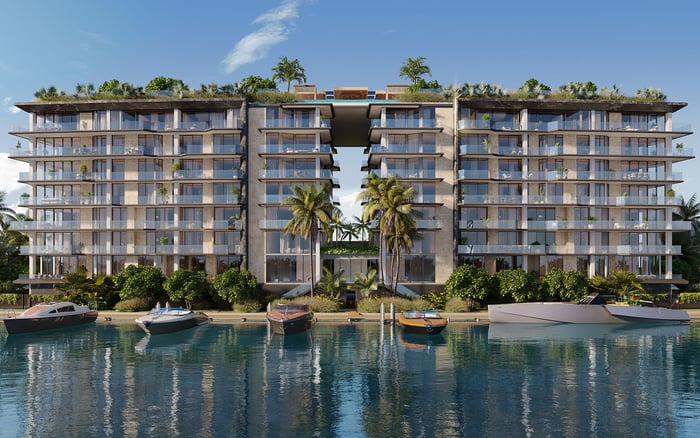
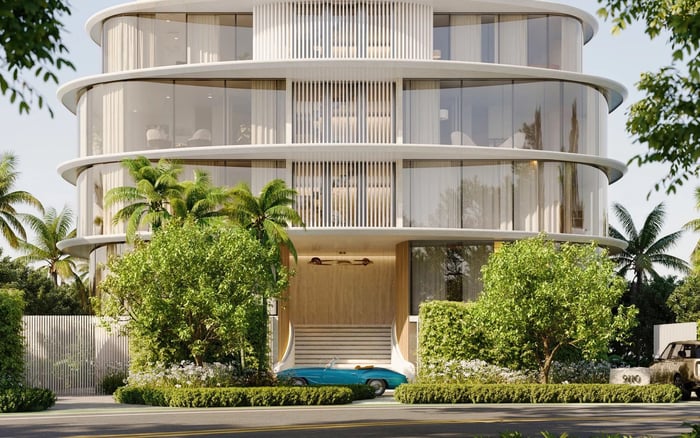
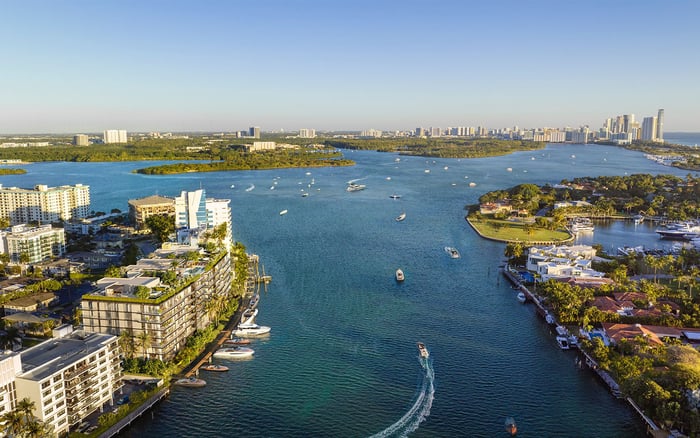
For seasonal buyers, a Bay Harbor Islands residence should be evaluated as both a luxury home and a remotely managed waterfront asset. The decisive questions concern building operations, storm protocols, insurance, access and unit-level care.
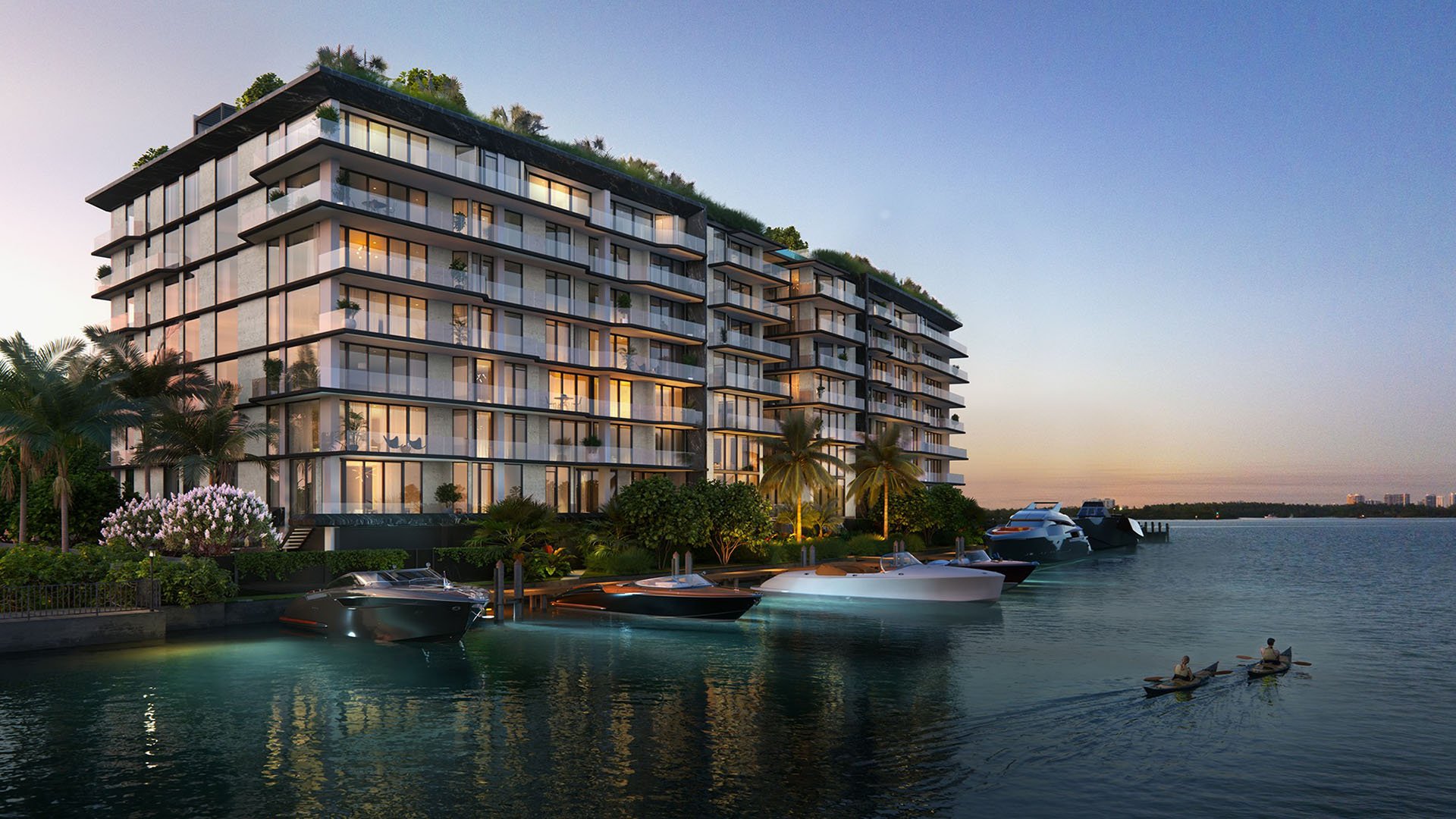
A seasonal residence is often presented through its most immediate pleasures: the view, the arrival sequence, the pool deck and private entertaining spaces. For an owner who may be away for extended periods, however, the more consequential luxury is continuity. The residence must remain monitored, protected and accessible while its owner is elsewhere.
That reframes the buying conversation. Waterfront ownership in Bay Harbor Islands should be considered not only as a lifestyle decision, but also as a remote-management proposition. The essential questions are who acts, what authority they hold, how quickly information travels and whether the building’s procedures align with the owner’s expectations.
Second-home buyers should therefore evaluate operational confidence alongside design. The amenity brochure may describe daily life in residence; a storm-readiness review reveals how the property is expected to function in the owner’s absence.
The strongest due diligence begins with governance and execution. Buyers can request the building’s current emergency procedures, identify the parties responsible for implementing them and understand how residents receive updates. A polished plan has limited value unless roles, decision rights and communication paths are clear.
Owners should also determine how the building manages access before and after a storm. Questions may include whether an authorized representative can enter the unit, how keys or credentials are managed, what happens if elevators or common systems are unavailable and how vendors are admitted while an owner is away.
Financial review belongs in the same discussion. Buyers and their advisers can examine budgets, reserves, insurance arrangements, deductibles and the allocation of responsibility between the association and the residence. The objective is not to predict every scenario, but to understand where responsibility begins, where it ends and where the owner may need separate protection.
Waterfront is an extraordinary residential advantage, yet it introduces a distinct set of questions. Buyers should review the condition, maintenance responsibility and emergency procedures associated with the property’s waterside elements. If marina access or boating infrastructure influences the purchase, those interests should be examined separately from the condominium residence itself.
The same discipline applies to lower-level common areas, parking, storage and building equipment. Rather than assuming these spaces share a single standard of protection, buyers can ask how each area is addressed in the property’s procedures and insurance structure.
This is also where a Bay Harbor search benefits from building-specific comparison. Bay Harbor Towers and Onda Bay Harbor may be part of a broader review, but each candidate should be assessed through its own documents, policies and ownership obligations.
Building preparation does not replace unit-level preparation. Balcony furniture, decorative objects and other exterior items should have a documented storage plan. Balcony doors, windows, shades and installed systems warrant inspection by qualified professionals where appropriate, with service records retained by the owner or property manager.
Inside the residence, the owner should establish a concise departure protocol. It can assign responsibility for climate settings, leak monitoring, appliance checks, valuable objects, vehicle arrangements and post-event inspection. The protocol should be specific enough for an authorized person to act without improvising.
Communication is equally important. A remote owner benefits from one accountable contact, a backup contact and a defined reporting method. Photographs, written observations and a time-stamped inspection sequence provide greater clarity than a casual assurance that everything appears fine.
A buyer can compare very different properties by asking the same questions of each. Who has authority to prepare the unit? What must the owner remove or secure? How are notices delivered? Which services continue during an emergency? When can representatives return? What records will document any damage?
That framework prevents presentation from obscuring operations. Alana Bay Harbor Islands may enter the conversation for one buyer, while La Maré Bay Harbor Islands may suit another. In either case, the prudent approach is the same: confirm current information directly, review governing and insurance documents with appropriate advisers, and place verbal explanations into a written diligence record.
Amenities still matter. They shape pleasure, hospitality and waterfront living. Yet seasonal ownership is also measured by how little uncertainty remains when the owner closes the door and leaves South Florida.
Preparation should extend through reentry. Owners can preselect the person who will inspect the residence, define what must be photographed and determine which professionals may be called if an issue is found. The plan should also account for access restrictions rather than assume normal service will resume immediately.
The result is discreet resilience. It does not diminish the romance of waterfront ownership; it protects it by replacing informal expectations with clear responsibilities, documented decisions and a residence that can be competently managed from afar.
What should a seasonal buyer review before focusing on amenities? Start with building procedures, access rules, insurance responsibilities, reserves and the plan for managing the residence during an absence.
Is a building storm plan enough for a seasonal owner? No. The owner also needs a unit-specific plan that assigns authority, contacts, inspections and storage responsibilities.
Who should be permitted to enter the residence while the owner is away? Choose a trusted, properly authorized representative and confirm that the building’s access procedures recognize the arrangement.
Why should insurance be reviewed with the governing documents? Reading them together helps clarify the boundary between association obligations and the owner’s separate responsibilities.
What should be documented before departure? Record the residence’s condition, assigned contacts, key procedures, exterior-item storage and relevant service information.
How should owners approach balconies and terraces? Establish who will secure or remove exterior objects and verify the condition of openings and installed components.
Does waterfront infrastructure require separate diligence? Yes. Ask who maintains it, which rights accompany the residence and how emergency procedures apply to those areas.
What makes remote communication effective? Use one primary contact, one backup and a clear reporting format that includes written observations and photographs.
Should post-storm access be assumed? No. Confirm how the building controls reentry and plan for the possibility that access or normal services may be delayed.
What is the central luxury for a seasonal waterfront owner? It is confidence that the residence can be monitored, protected and responsibly managed even when the owner is absent.
To compare the best-fit options with clarity, connect with MILLION.
If branded residences are on your mind — as a home or as an allocation — we would be glad to share what we are seeing, privately.
Begin a quiet conversation