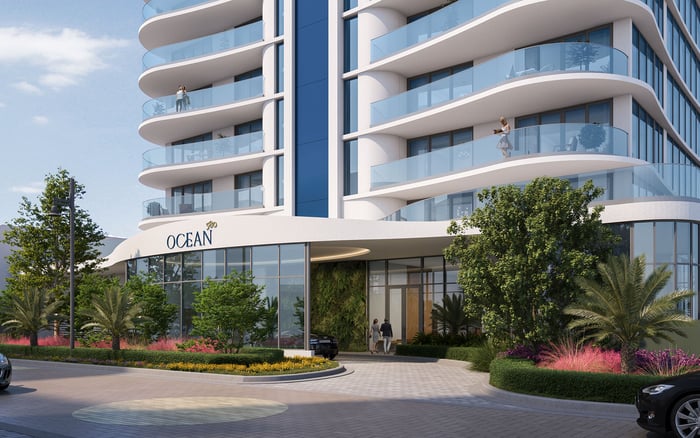
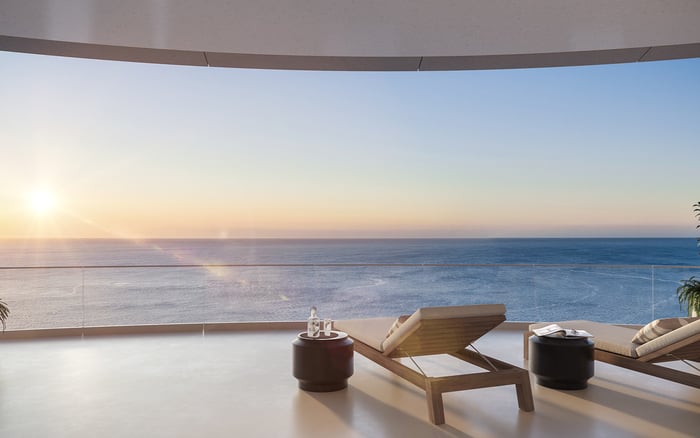
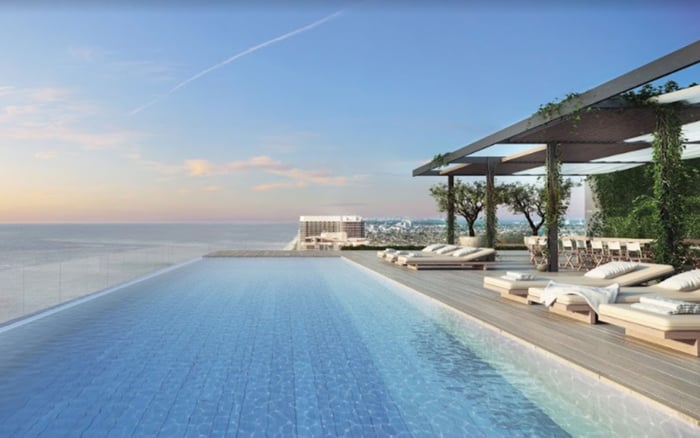
For seasonal owners, a residence must remain discreet, observable, and resilient through long absences. In Bal Harbour, that means examining the complete chain of physical access, staff response, unit-level protection, and connected-home infrastructure before being persuaded by the amenity program.
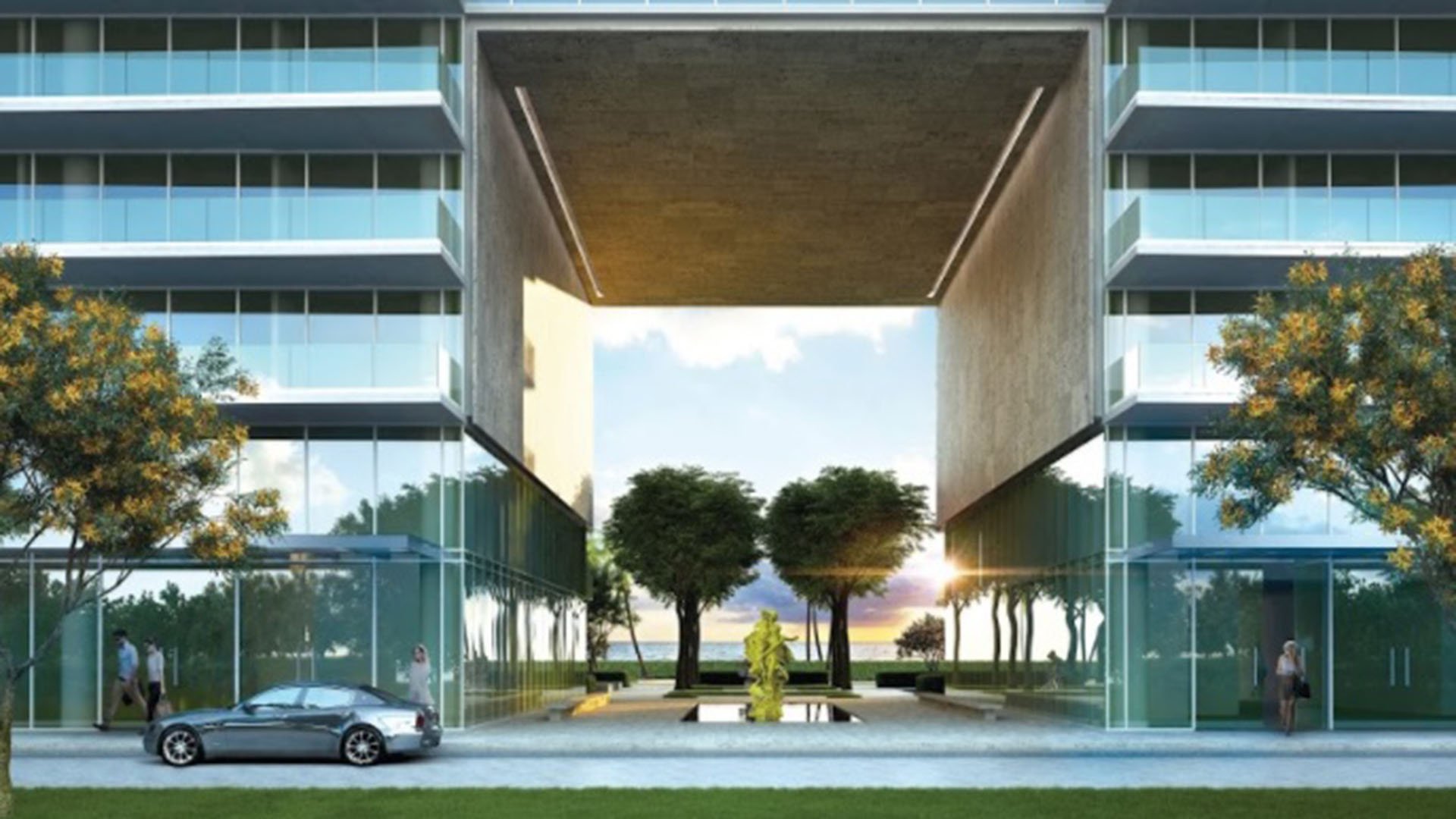
For a seasonal owner, the most consequential feature of a Bal Harbour residence may be the one that never appears in a sunset rendering. Security is not simply a staffed desk, a garage camera, or an access credential. It is an operating system designed to preserve privacy, control movement, protect household data, and respond coherently when the owner is thousands of miles away.
That distinction matters in an Oceanfront market where residences may remain unoccupied for extended periods, then need to perform flawlessly upon arrival. Pools, spas, and private dining rooms define Lifestyle appeal. Yet the deeper measure of ownership is whether guests, household employees, deliveries, vehicles, contractors, and service requests move through the property without creating avoidable exposure.
A buyer should therefore treat the amenity brochure as an introduction, not a diligence document. Community-level quality-of-life information cannot answer building-specific questions about visitor screening, credential permissions, camera retention, delivery routing, staff escalation, or system failures. Those answers must come from the association or property manager, preferably in writing.
Security should be evaluated as a chain. A strong front desk cannot compensate for weak garage controls, loosely managed elevators, informal guest approvals, or unclear after-hours procedures. Buyers should walk through an ordinary arrival and a difficult one: a late flight, an unfamiliar driver, a guest arriving first, a contractor seeking access, or a credential that unexpectedly fails.
Ask who can authorize entry, how identity is confirmed, whether permissions expire, and how staff respond when instructions conflict. Then follow the route from the property perimeter through the garage, lobby, elevator, residential floor, and front door. The objective is not theatrical restriction. It is consistent, discreet control supported by a documented exception process.
At Oceana Bal Harbour, prospective owners should verify whether current protocols include 24/7 surveillance overseen by trained security personnel and services tailored to individual residents. They should also confirm how individualized requests are recorded and whether procedures change during periods of absence.
The same questions should guide the evaluation of Rivage Bal Harbour. The purpose of comparing residences is not to assume equivalent systems, but to apply a consistent diligence standard to every candidate.
Privacy is partly architectural and partly procedural. A residence can feel secluded while still producing a broad operational trail through guest logs, video systems, building automation, connected locks, service communications, and household devices. Seasonal owners should understand who can view this information, how long it is retained, and how access is revoked when staff roles or household arrangements change.
Written questions should cover camera placement and retention, access-log availability, key and credential management, package handling, vendor supervision, emergency entry, and incident notification. Buyers should also clarify whether management performs absence checks, what those checks include, and how observations are documented and communicated.
Nearby luxury alternatives such as The Delmore Surfside and The Surf Club Four Seasons Surfside can broaden the comparison set, but their inclusion does not imply any particular security feature. Each property requires its own written answers and an in-person test of the complete access journey.
For Waterfront ownership, discretion also depends on routine. Repeated service patterns, standing permissions, and credentials left active longer than necessary can undermine sophisticated hardware. Owners should periodically review approved visitors, vendors, household personnel, emergency contacts, and remote-access privileges.
Smart-home convenience introduces another layer of diligence. Security, access control, surveillance, personal devices, entertainment, and guest connectivity should not operate on a single network. Separating critical systems from entertainment traffic reduces cross-system exposure, while an independent guest network keeps visitor devices away from resident information and essential controls.
Where practical, hardwired connections should support critical residential systems because they can improve stability and security. Buyers can also ask whether wireless infrastructure supports WPA3 encryption and whether relevant data protections use standards such as AES-256. These are evaluation prompts, not evidence that any particular Bal Harbour building currently deploys them.
The central question is how the systems communicate. Surveillance, locks, alarms, automation, mobile applications, and personal devices may exchange sensitive household or operational data. A qualified review should identify who administers each component, how software is updated, what happens when internet service fails, and how former users are removed.
Building security should be complemented inside the residence. Advanced alarms, perimeter sensors, and in-unit surveillance can provide unit-level awareness rather than leaving protection entirely to shared systems. Remote monitoring is especially relevant during long absences, provided cameras and alerts are configured with equal attention to cybersecurity and personal privacy.
Before closing, request current written responses covering access credentials, visitor approvals, deliveries, parking, elevators, surveillance, data retention, emergency entry, and after-hours escalation. Ask for the technology-failure procedure as well. A system’s quality becomes most visible when a credential, network, camera, gate, or elevator fails to perform as expected.
Then conduct a live test. Arrive through the owner route, simulate a guest arrival, ask how a delivery is handled, confirm elevator permissions, and review the process for a household employee or vendor. Seasonal ownership rewards buildings that translate policy into consistent execution without unnecessary exposure or friction.
Finally, define the protections that belong inside the unit. Document alarm coverage, sensors, remote viewing, network segmentation, update responsibility, backup connectivity, and notification priorities. The result should be a concise operating plan, reviewed before departure and revalidated before each return.
Why should seasonal owners prioritize security over amenities? Long absences make access control, remote awareness, and reliable escalation central to protecting both the residence and the owner’s privacy.
Is a staffed lobby enough? No. Buyers should examine the complete route through the perimeter, garage, lobby, elevator, residential floor, and unit entry.
What visitor procedures should a buyer verify? Confirm who may authorize entry, how identities are checked, whether permissions expire, and how exceptions are documented.
What surveillance details matter most? Ask about camera coverage, authorized viewers, retention periods, incident review, and owner-notification procedures.
Should guest Wi-Fi be separate? Yes. Guest connectivity should be isolated from resident devices and critical security or automation systems.
Why separate entertainment and security networks? Segmentation can reduce cross-system exposure and limit the effect of a compromised or poorly maintained device.
Are hardwired connections preferable? They should be prioritized where practical to improve the stability and security of critical residential systems.
What unit-level protections suit an absent owner? Advanced alarms, perimeter sensors, and carefully secured in-unit surveillance can add remote awareness beyond building systems.
How should buyers compare buildings? Give each association or manager the same written questions, then test arrival, guest, delivery, parking, elevator, and after-hours access.
How often should access permissions be reviewed? Review them before departure, before returning, and whenever household staff, vendors, guests, or emergency contacts change.
For a discreet conversation and a curated building-by-building shortlist, connect with MILLION.
If branded residences are on your mind — as a home or as an allocation — we would be glad to share what we are seeing, privately.
Begin a quiet conversation