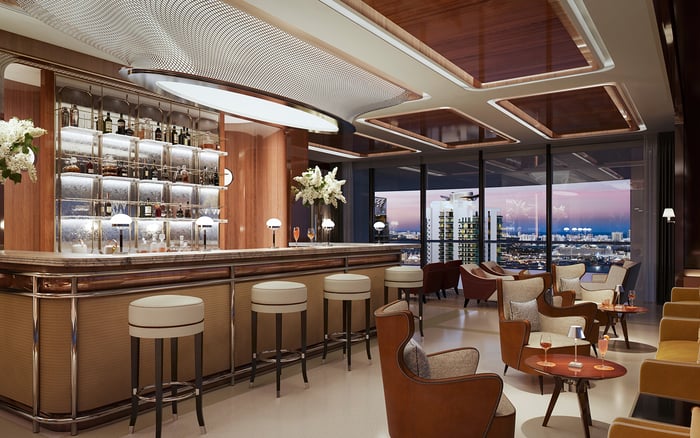
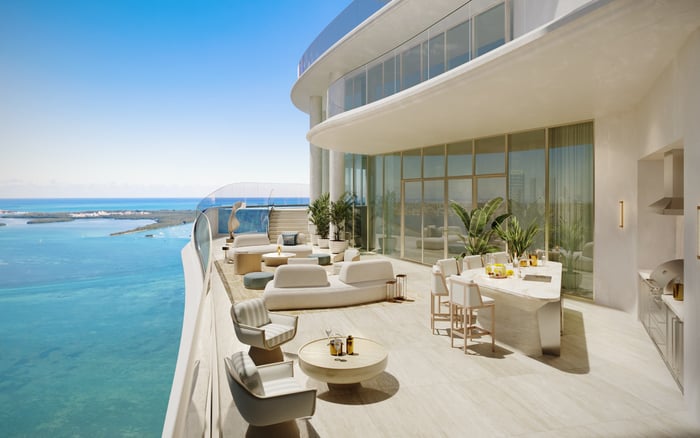
With Art Basel Miami Beach scheduled for December 4-6, 2026, seasonal owners should evaluate more than room dimensions. Catering logistics, written building policies, and jurisdiction-specific event approvals deserve a place in the luxury-home decision.
Art Basel Miami Beach is scheduled for December 4-6, 2026. For a seasonal owner envisioning a dinner after the fair or an intimate gathering around a collection, those dates offer a clear planning deadline: establish whether the residence supports the evening before invitations go out.
The relevant luxury is not simply a larger salon. It is the ability to receive guests gracefully while caterers arrive, food is prepared, and deliveries stay clear of social spaces. Entertaining capacity is both a spatial and an operational question.
That is a due-diligence priority, not evidence of a Basel-driven tightening of residential rules. Buyers considering Apogee South Beach should include their intended hosting format in the property review. Neither an address nor a floor plan establishes permission for an event.
Start with a specific evening rather than an abstract promise of generous entertaining space. Will it be a seated dinner, a standing reception, or several smaller visits? Each places different demands on seating, circulation, kitchen access, and guest arrivals.
During a walkthrough, trace the guest's route from arrival to the dining area. Then trace the caterer's route. Identify where coats, trays, packaging, and used glassware would sit without intruding on the occasion. Consider whether service can continue as guests move between rooms-and whether bedrooms can remain genuinely private.
These are design tests, not a substitute for an approved occupancy determination. A room that looks comfortable for a gathering does not establish its permitted use or capacity. Request any applicable occupancy information, distinguishing the residence itself from shared lounges and other common areas.
For a buyer evaluating Faena House Miami Beach, the question is not merely whether the setting suits the collection. It is whether the intended evening works within the residence's layout and the building's written policies.
Ask management for the current policies governing outside caterers and other event vendors. Establish whether advance approval, insurance documentation, staffing arrangements, or reservations are required. Treat each as a question to resolve, not a restriction presumed to apply across luxury condominiums.
The practical review should cover delivery windows, loading arrangements, service-elevator access, equipment movement, and removal after the gathering. Include setup and breakdown in the proposed schedule, not just the hours guests are present. Ask whether any arrangements change during the intended dates.
Within the residence, have the caterer assess preparation space, refrigeration needs, equipment, and cleanup. Do not infer operational suitability from the kitchen's finishes alone. Nor should a branded or service-oriented residential setting be taken to mean unrestricted outside catering is permitted.
When considering Setai Residences Miami Beach, seek written answers about the particular residence and any shared spaces under consideration. Project identity should begin the inquiry, not replace it.
Miami Beach's special-event permitting framework covers qualifying events on public or private commercial property. It is not a blanket permit requirement for residential dinner parties. Hiring a caterer, by itself, does not establish that a dinner needs a special-event permit.
The distinction matters when plans involve occupant-load issues, certain temporary structures, or required city services. Owners contemplating a more elaborate gathering should establish how the proposed use is classified before signing production contracts.
The September 2023 requirements call for at least 60 days' notice before load-in for qualifying private-property events requiring specified approvals or services. Temporary structures, Building Department permits, and certain adjacent-property sign-offs are among the circumstances covered. This is a conditional requirement, not a universal deadline for hosting friends.
Those requirements also stipulate that invoices for municipal services must be paid at least two weeks before the event. Confirm current requirements before relying on these planning intervals. Where a special-event application is necessary, the process is online and requires the specified minimum documentation.
An outdoor setting deserves its own review, not treatment as an automatic extension of the living room. Ask management about the proposed use, furniture or equipment placement, sound, cleanup, and any distinction between private and common space. Obtain the applicable rules rather than assuming identical treatment indoors and outdoors.
For qualifying private-property events, open flames and fireworks can require Fire Department involvement. Temporary structures may also introduce approval requirements. A decorative or production choice can therefore affect planning well before the first guest arrives.
Arrival arrangements deserve similar attention. Using city parking for an event can require Parking Department involvement and associated fees. Do not assume public spaces can serve as an informal extension of a residential arrival plan. Establish the gathering's footprint, including any proposed use beyond the property.
A mainland residence requires a jurisdiction-specific review. In the City of Miami, no more than four permitted special events may take place in a calendar year on the same private property or portion thereof. Each may last up to seven consecutive days, excluding setup and breakdown.
That is not a Miami Beach rule, nor is it a four-dinner limit for homeowners. It concerns permitted special events within the City of Miami's framework.
For buyers considering Una Residences Brickell, separate the municipal inquiry from the condominium inquiry. Ask whether the proposed gathering falls within a permitting category, then confirm the property's own approval process. Neither a building's consent nor a municipal approval should be assumed to satisfy every other applicable requirement.
The Art Basel Zone also requires careful interpretation. The arrangement calls for the show operator's prior written consent for special-event permits using public property within the zone while it is in effect. Private-property special events are exempt from that operator-consent requirement-not from applicable city approvals. Confirm current boundaries and operative dates before incorporating public space into a plan.
Likewise, Art Basel's conduct requirements govern attendance at the fair; they do not automatically become rules for residences or condominium common areas.
Before purchase or the season's first invitation, assemble a practical hosting file: applicable building policies, written management responses, the catering schedule, and any required approvals. Resolve guest access, service access, and event scope together. The objective is not the largest possible gathering, but a home whose permitted use and daily operation suit the way its owner wants to entertain.
For a considered approach to selecting a South Florida residence around your hosting priorities, explore MILLION.
If branded residences are on your mind — as a home or as an allocation — we would be glad to share what we are seeing, privately.
Begin a quiet conversationThe fair is scheduled for December 4–6, 2026. Seasonal owners can use those dates to organize their hosting preparations.
No blanket requirement for residential dinner parties is established by the framework. It covers qualifying events on public or private commercial property, so the proposed use and scope matter.
Review guest circulation, catering routes, preparation space, cleanup, and privacy. Separately request applicable occupancy information and building policies.
Owners should request the property's current vendor policies rather than assume permission. Ask about approvals, insurance documentation, delivery windows, and service access.
The September 2023 guidelines specify at least 60 days before load-in for qualifying private-property events requiring listed approvals or services. Confirm the current requirements for the proposed event.
Yes. Temporary structures can introduce permitting requirements, while open flames and fireworks can require Fire Department involvement in qualifying private-property events.
Using city parking for an event can require departmental involvement and fees. Under the September 2023 Miami Beach guidelines, city-service invoices must be paid at least two weeks before the event.
No. The City of Miami allows up to four permitted special events annually on the same private property or portion thereof, each lasting up to seven consecutive days excluding setup and breakdown.
No. The documented exemption concerns the show operator's consent, not applicable city approvals; current zone boundaries and operative dates should be confirmed.
No. The fair's conduct requirements govern its event and do not automatically extend to private homes or condominium common areas.