For Manhattan families establishing a permanent home in Miami Beach, January 1 is the pivotal property-tax date. This guide coordinates closing, occupancy, domicile evidence, homestead filing, and any eligible Florida portability claim.
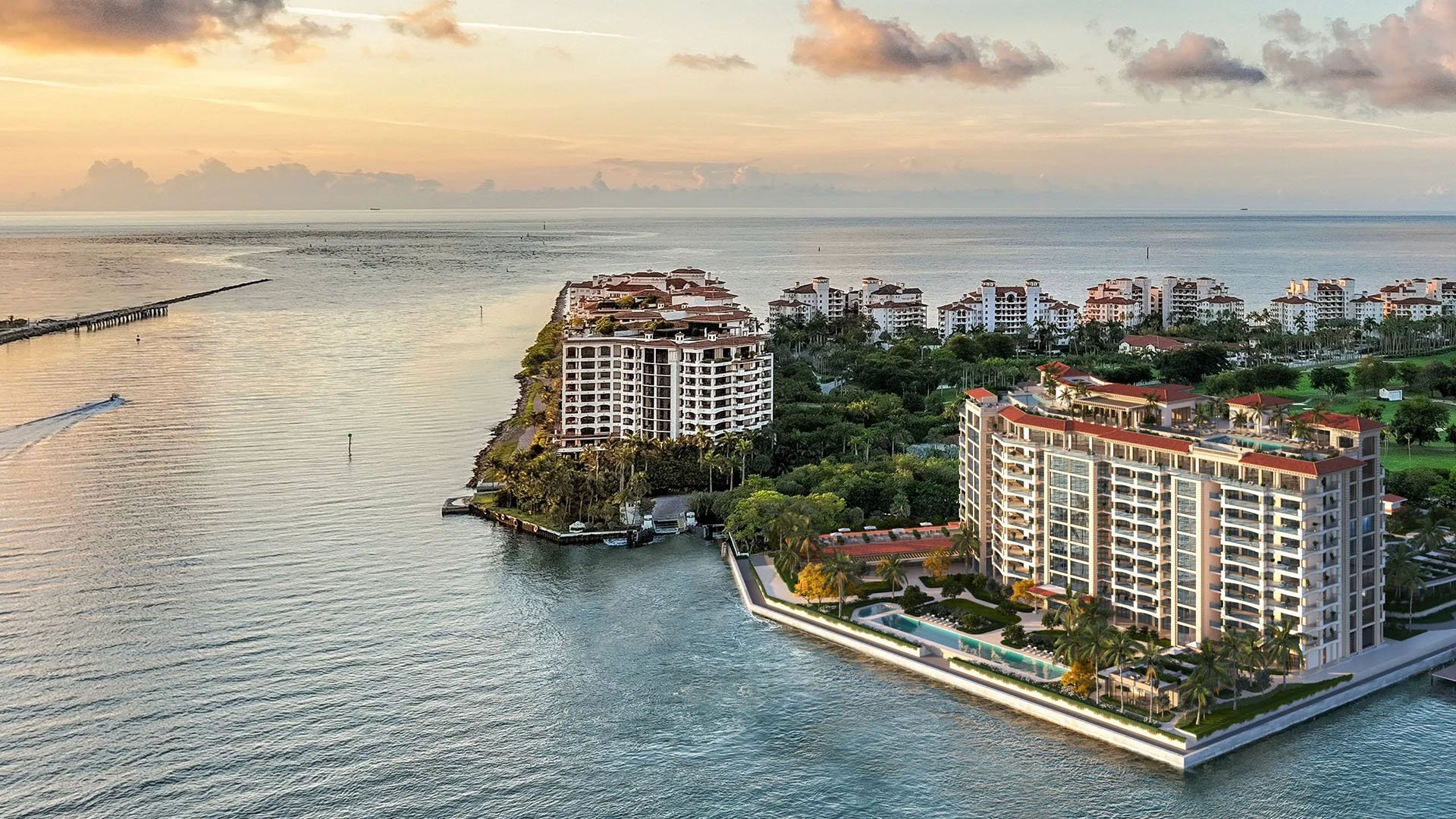
For a Manhattan family relocating to Miami Beach, the property-tax calendar turns on one decisive date. To qualify for Florida’s homestead exemption for a given tax year, the buyer must hold legal or equitable title on January 1, be a permanent Florida resident, and occupy the property as a permanent residence on that date.
A December closing can therefore differ materially from a January closing. Yet signing before year-end is not enough. The family must also move in and establish the home as its permanent Florida residence by January 1. This distinction should shape the closing calendar, possession arrangements, furnishing schedule, travel plans, and domicile workstream.
For families considering Five Park Miami Beach or another Miami Beach residence near year-end, the tax discussion should begin before the contract timetable is finalized.
A family closing in December may qualify for the coming tax year if it takes title, occupies the residence, and establishes permanent Florida residency before January 1, then files on time. By contrast, a buyer closing after January 1 generally cannot receive a new homestead exemption for that tax year. Eligibility ordinarily begins the following January 1, provided all requirements are then satisfied.
The practical lesson is not to manufacture a rushed closing, but to align legal ownership with genuine occupancy. If construction, renovations, travel, or household logistics prevent the residence from becoming the permanent home by January 1, an earlier closing alone does not resolve the eligibility question.
Residency is established through the family’s circumstances, not a single document. Evidence may include Florida driver’s licenses or identification cards, voter registration, vehicle registration, and a declaration of domicile. These records should align with actual occupancy and the family’s broader conduct.
Manhattan owners should also resolve conflicting residency-based property-tax benefits in New York before claiming Florida homestead. Maintaining an out-of-state primary-residence exemption can undermine the Florida position. Because New York domicile and tax residency involve separate rules, a high-value relocation may warrant coordinated advice from Florida property-tax counsel and a New York tax adviser.
The same discipline applies whether the selected home is a condominium such as The Ritz-Carlton Residences® Miami Beach or a property within the Estates & Single-Family segment.
Homestead exemption and portability are related, but not interchangeable. Save Our Homes limits annual increases in the assessed value of qualifying Florida homestead property. Over time, that cap can create a difference between assessed value and market value. Portability may allow an eligible owner to transfer that assessment difference to a new Florida homestead.
A family moving directly from Manhattan with no previous Florida homestead may qualify for homestead in Miami Beach, but it has no Florida Save Our Homes benefit to transfer. Portability applies only when the applicant had a valid homestead exemption on a previous Florida property and establishes a qualifying homestead on the new property.
The new homestead generally must be established by January 1 of the third tax year after abandonment of the prior homestead. The window is measured by tax years and the former property’s homestead history, not simply its sale date. Confirm the final year of exemption before relying on the portability period.
The timely filing deadline for a homestead application is March 1 of the tax year for which the benefit is requested. Form DR-501 requires the applicant to have been a permanent Florida resident and to have owned the property on January 1.
Portability is not automatic. When applicable, it must be requested separately and filed by March 1 for the year of the proposed transfer. Treat homestead and portability as paired but distinct filings, completing both well before the deadline. Failure to apply by March 1 is treated as a waiver for that year, subject only to limited statutory late-filing remedies.
For buyers comparing The Perigon Miami Beach with other waterfront options, the filing plan belongs alongside title, insurance, and estate planning on the closing checklist.
Florida homestead reduces taxable assessed value-not market value or purchase price. The standard exemption covers the first $25,000 of assessed value. An additional exemption of up to $25,000 applies to assessed value above $50,000 for non-school levies.
For an ultra-premium purchase, the exemption itself is only one component of investment planning. The longer-term Save Our Homes assessment limitation may also matter, but only after the property qualifies as homestead. A residence used merely as a second home does not satisfy the permanent-residence requirement.
Before closing, confirm whether the family has any prior Florida homestead and identify its final exemption year. Review New York primary-residence benefits, establish a realistic occupancy date, and prepare the Florida domicile documents that reflect the intended move.
At closing, verify that title and possession support actual permanent occupancy by January 1. After the move, preserve a coherent record of Florida residence and file Form DR-501, together with the separate portability request if eligible, before March 1.
Property selection can proceed in parallel. A family considering Shore Club Private Collections Miami Beach should assess whether its anticipated completion, delivery, or possession timetable aligns with the targeted January 1. For families consulting buyer’s guides, the central principle remains simple: tax timing must follow the reality of the move.
Is closing before January 1 enough to qualify? No. The buyer must also be a permanent Florida resident and use the property as a permanent home on January 1.
What happens if the family closes on January 2? A new homestead exemption generally cannot apply for that tax year. The family must qualify on the following January 1.
Can a December buyer qualify for the coming year? Yes, if the family takes title, moves in, and establishes permanent Florida residence before January 1, then files on time.
When is the homestead filing deadline? The timely deadline is March 1 of the tax year for which the exemption is requested.
What form is used for homestead exemption? The application is Form DR-501, which addresses ownership and permanent Florida residency as of January 1.
Does homestead reduce the home’s market value? No. It reduces taxable assessed value rather than market value or purchase price.
Can a former Manhattan residence create portability? No. Portability requires a valid prior Florida homestead exemption and an eligible Save Our Homes assessment difference.
How is the portability window measured? It is generally measured by tax years, with the new homestead established by January 1 of the third tax year after abandonment of the previous homestead.
Can renting the Miami Beach residence affect homestead? Yes. Renting the property or ceasing to use it as the permanent home can end eligibility.
Is property-tax homestead the same as creditor protection? No. Florida’s property-tax exemption is distinct from constitutional homestead creditor protection, which may arise upon permanent occupancy without waiting for January 1.
If you'd like a private walkthrough and a curated shortlist, connect with MILLION.
If branded residences are on your mind — as a home or as an allocation — we would be glad to share what we are seeing, privately.
Begin a quiet conversation