For established Brickell Key owners, the proposed move is less a change of neighborhood than a reconsideration of daily life: hospitality-led service, extensive planned amenities and a new set of ownership questions.
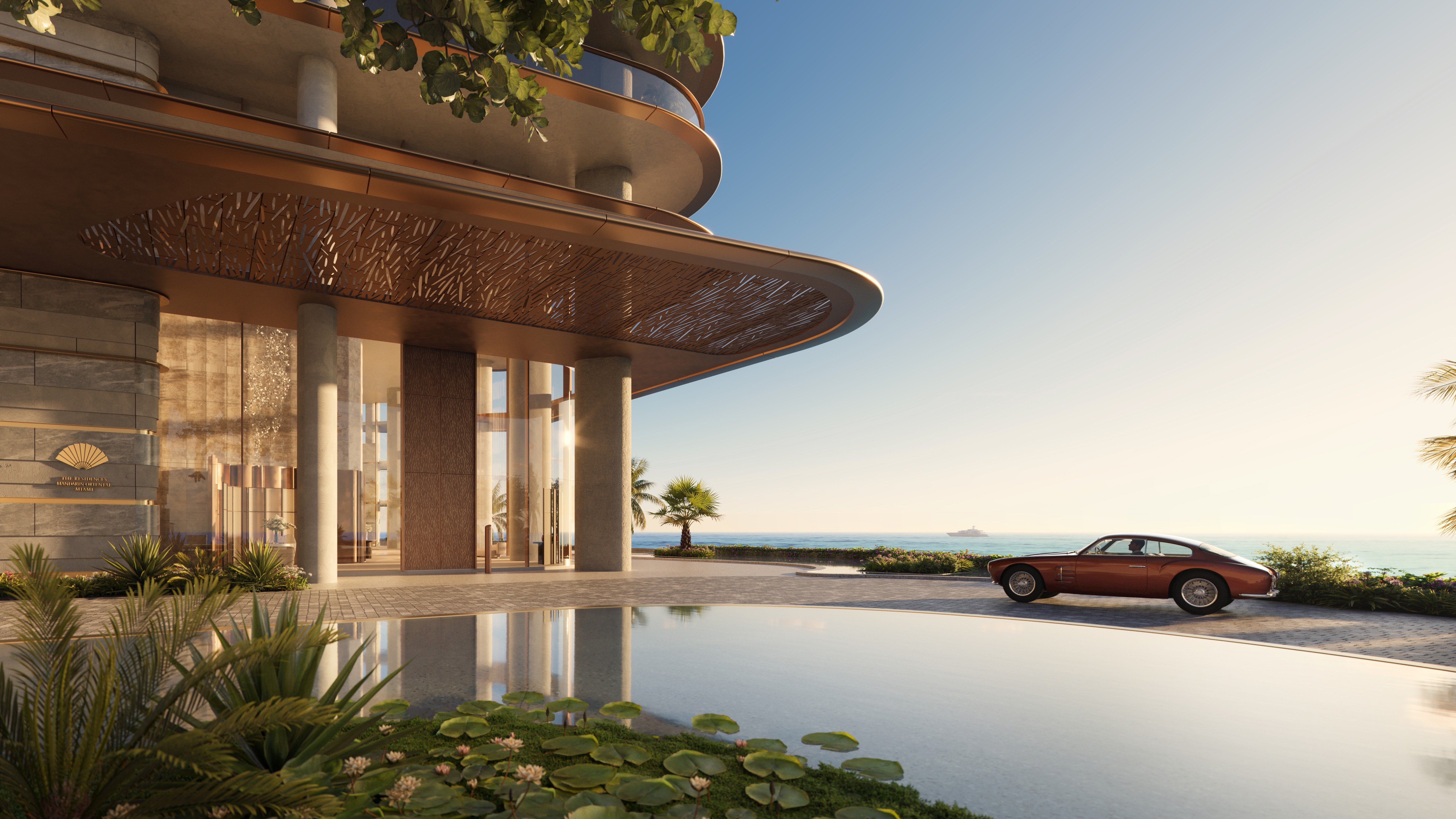
For a longtime Brickell Key resident, moving to The Residences at Mandarin Oriental, Miami would not mean trading the island for a different neighborhood. The more consequential change would be within the property: a planned hospitality-led residential experience, an extensive amenity offering and a different framework for managing everyday life.
That distinction matters. An established owner may already have the waterfront setting and familiar routines they want. The decision is not simply whether the new address is more impressive, but whether its proposed services, spaces and ownership arrangements would make daily life meaningfully better.
The project remains a development offering. Its amenities and specifications describe an intended experience, not established operating conditions. For a buyer who knows the island well, that calls for both imagination and disciplined comparison.
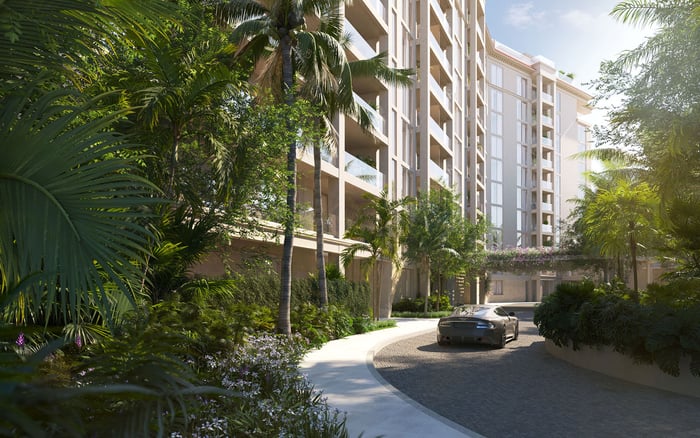
The clearest continuity is location. Planned landscaped greenery would connect the development to the Brickell Key baywalk, maintaining its connection to the island’s waterfront walking environment. Panoramic Biscayne Bay views are part of the proposed offering, although buyers should evaluate the outlook from a particular residence rather than treat a broad promise as a unit-specific assurance.
Existing island living should not be reduced to an absence of amenities. At Brickell Key II, for example, amenities include nearby restaurants and a market, children’s playgrounds, valet parking and 24-hour security, alongside a quiet waterfront setting. That is a useful reference point, not a description of every condominium on the island.
The practical exercise is to compare the proposed home with the owner’s actual building. Which conveniences already work well? Which frustrations would the move plausibly solve? Staying on the island preserves the neighborhood choice, but not necessarily every familiar aspect of building life.
The development is planned around Mandarin Oriental-branded hospitality and service, rather than conventional condominium amenities alone. A poolside lounge serviced by Mandarin Oriental illustrates the intended distinction: the proposition concerns how a space is supported, not merely whether it exists.
For an established owner, that shifts the inquiry from amenity counts to service arrangements. What assistance is included? What requires a separate charge or reservation? How are requests handled, and what obligations are documented? A brand name cannot answer those questions on its own.
For buyers also considering St. Regis® Residences Brickell, the same discipline applies: compare documented service commitments rather than assume residential brands deliver interchangeable experiences. Here, the particular attraction is the possibility of changing the service model while remaining on Brickell Key.
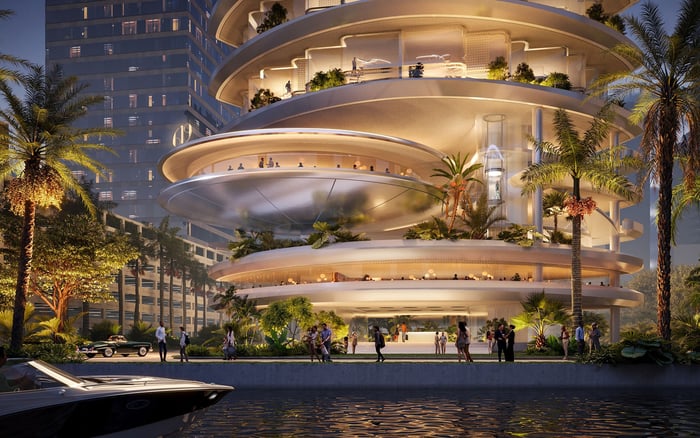
A resort-style podium spanning more than 100,000 square feet is planned as a central element of the development. Proposed pool environments include an ocean pool, a lagoon pool with private villas, a forest pool and a wellness pool deck. Plans place the ocean-pool area overlooking Fisher Island and Key Biscayne.
Wellness plans extend to a signature spa, indoor and outdoor treatment rooms, saunas, a hammam and hot-and-cold therapy. A fitness atelier, private training studios and wellness gardens add further possibilities. For a resident who regularly travels elsewhere for treatments or training, these spaces could consolidate parts of the weekly routine, subject to access, availability and charges.
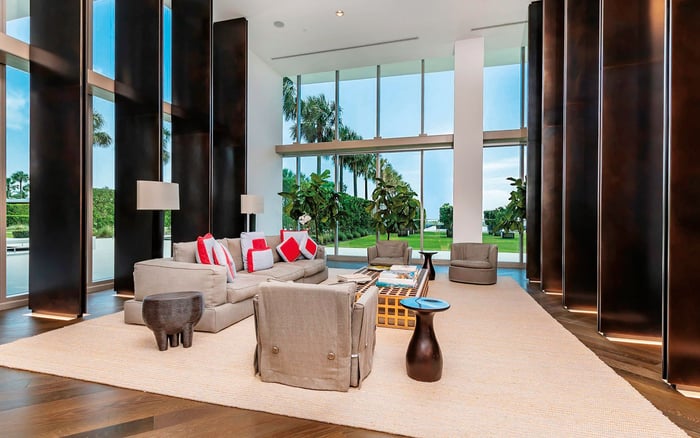
The plans also address quieter needs. Executive work lounges, private offices, conference facilities, a library and self-service kitchen facilities could offer an alternative to working entirely within the residence. Private dining rooms, chef kitchens, a wine cellar, tea and dining pavilions, and grilling areas could expand entertaining options.
For families, priorities may center on the planned kids club, activity center and children’s splash pad. Recreation plans also include an indoor golf simulator, billiards, a screening lounge and a multipurpose court adaptable for basketball, pickleball or padel. The meaningful question is which spaces a household would actually use, not how many appear in the presentation.
The planned South Tower rises 66 stories and contains 228 private residences. Its offerings include two- to five-bedroom homes and an exclusive duplex penthouse with a private pool. Tristan Auer is associated with its residential interiors.
The 33-story North Tower is planned to combine private residences, 28 turnkey Hotel Collection residences and 121 hotel rooms. Laura Gonzalez is associated with the North Tower private-residence interiors. These are distinct components, not interchangeable categories of ownership.
Buyers should establish which residence type they are considering before comparing layouts, services or access. The presence of a hotel does not, by itself, establish how private residential circulation, amenities or daily operations will function.
If the search also includes The Residences at 1428 Brickell, keep the comparison residence-specific: usable layout, outlook, household needs and the terms attached to the selected home. An extensive amenity program should not distract from whether the apartment itself suits the next chapter of ownership.
A waterfront setting and a hospitality-led program can be compelling together. They do not establish privacy, quiet or ease of access in operation. With private residences, Hotel Collection residences and hotel rooms planned across the development, buyers should understand precisely how different users would interact with shared spaces.
Confirm which amenities are exclusive to private-residence owners, which are shared and which carry additional charges. Ask about guest policies, reservations and the intended separation of residential and hotel activity. These details will determine whether the amenity offering feels convenient for a particular household.
For someone accustomed to an established building’s rhythm, this deserves as much attention as finishes or views. More choice on site is valuable only if the arrangements support the way the owner wants to live.
The financial comparison remains individual. Final purchase prices, recurring condominium fees and hotel-service charges are not established here, so a specific ownership-cost premium cannot responsibly be assumed.
Request the condominium declaration, operating budget, reserve provisions, service agreements, parking terms, rental restrictions and construction schedule. Separate included services from optional spending, and distinguish enforceable commitments from features that remain subject to change.
Timing also matters. Do not build a transition plan around an assumed delivery date or uninterrupted availability of the existing hotel’s restaurants and spa during redevelopment.
The clearest reason to move would be a strong match between the planned experience and the owner’s actual routines. Brickell Key would remain the setting; the decision is whether a new home and a hospitality-led service model justify leaving an established one.
Explore your next chapter of Brickell Key ownership with MILLION.
If branded residences are on your mind — as a home or as an allocation — we would be glad to share what we are seeing, privately.
Begin a quiet conversationNo. The development is on Brickell Key, so the move would change the residential setting without requiring a neighborhood change.
The central distinction is a planned hospitality-led service model alongside an extensive on-site amenity offering. Its value depends on the household’s routines and the documented ownership terms.
The South Tower is planned to rise 66 stories with 228 private residences. Offerings include two- to five-bedroom homes and an exclusive duplex penthouse with a private pool.
The 33-story North Tower is planned to include private residences, 28 turnkey Hotel Collection residences and 121 hotel rooms.
Plans include ocean, lagoon and forest pools, a wellness pool deck, and a signature spa. Proposed wellness facilities also include treatment rooms, saunas, a hammam and hot-and-cold therapy.
Work amenities include executive lounges, private offices and conference facilities. Family plans include a kids club, an activity center and a children’s splash pad.
Landscaped greenery is planned to connect the development to the baywalk, preserving a relationship with the island’s waterfront walking environment.
Exclusivity should not be assumed. Buyers should confirm which spaces are private, shared with other users or subject to additional charges.
No specific ownership-cost premium is established. Buyers should review purchase terms, the operating budget, reserve provisions and any separate service charges.
Review the condominium documents, service agreements, parking terms, rental restrictions and construction schedule. Do not assume a confirmed delivery date or uninterrupted access to existing hotel restaurants and spa facilities during redevelopment.