Casa Bella presents a design-led Downtown Miami option, but families considering it as a primary residence should examine privacy, service, daily logistics, documents, and long-term suitability before committing.
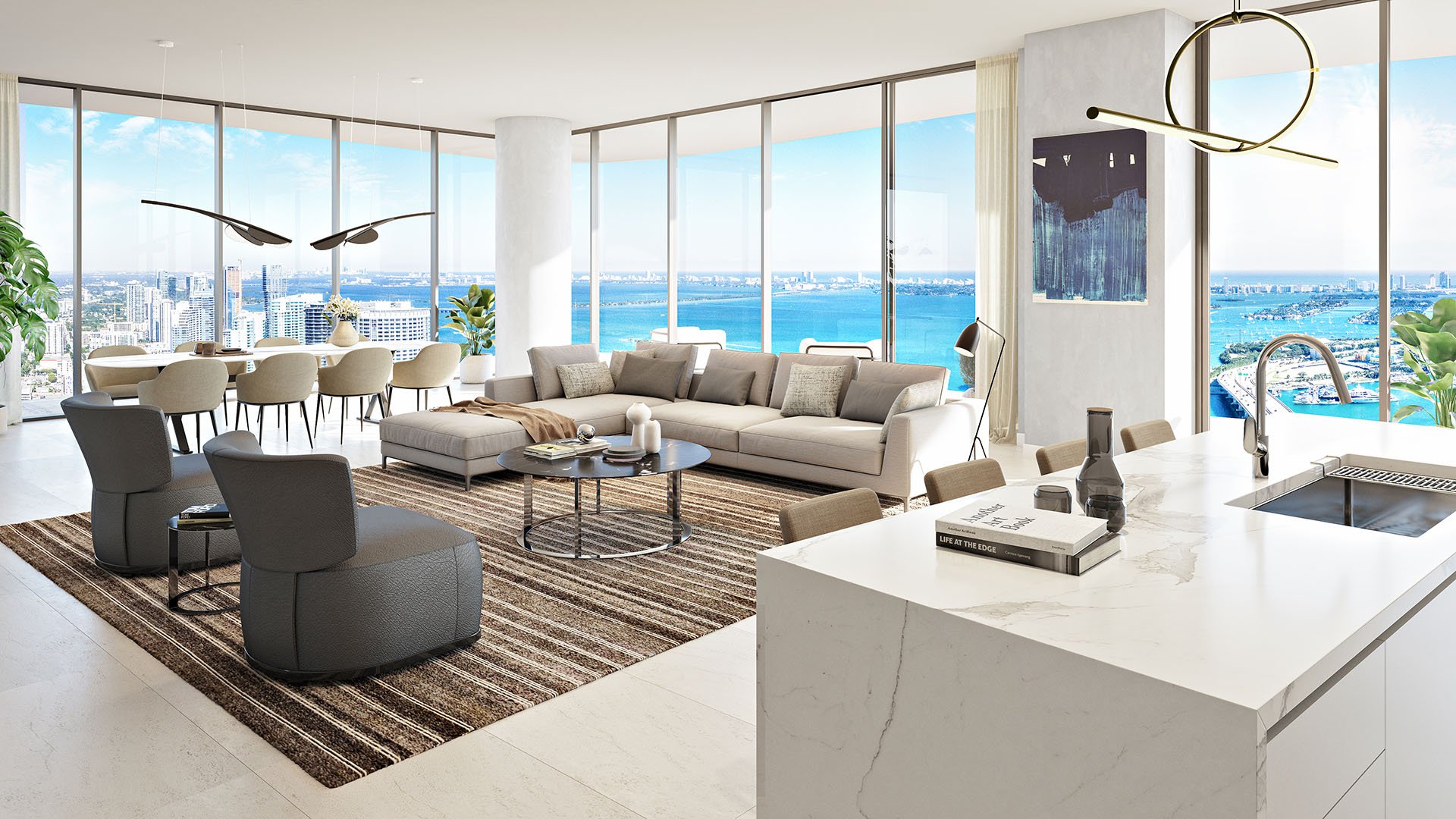
For a family changing tax domicile, purchasing a Miami condominium can carry considerable emotional and practical weight. Questions about domicile should be addressed separately with qualified legal, tax, and estate-planning advisers. The real estate question is more immediate: Can the chosen home credibly support the family’s life throughout the year?
Casa Bella by B&B Italia Downtown Miami presents a branded, design-led proposition in Downtown Miami. Families should look beyond the presentation and scrutinize privacy, service, logistics, documents, and durability.
This buyer’s guide considers the residence not simply as an acquisition, but as an operating environment for family life.
A residence that performs elegantly for occasional weekends may function less smoothly during school terms, extended work periods, or months filled with frequent guests. Buyers should map each room to a recurring need: children, household staff, visiting relatives, remote work, luggage, sports equipment, seasonal wardrobes, and private storage.
The same scrutiny should extend to shared spaces. An amenity program has value only when its operating model aligns with the household’s schedule and expectations. Families should ask how spaces are reserved, whether access is restricted at certain times, and how common areas are managed during periods of heavier use.
A Downtown setting offers a distinctly urban proposition. That distinction is central to lifestyle fit, not a minor matter of taste.
Privacy in a residential tower is not a single feature. It is a chain of procedures that begins at the entrance and continues through the lobby, elevators, residence corridors, service routes, and the home itself.
Request precise explanations of lobby access, visitor registration, elevator controls, delivery handling, vendor admission, household-staff access, and surveillance practices. Determine who can authorize entry, how recurring visitors are recorded, where packages wait, and whether vendors use the same circulation routes as residents. Written policies carry more weight than broad assurances.
Families comparing Downtown options may also use Waldorf Astoria Residences Downtown Miami as a reference point for their questions rather than assuming that two towers manage access identically. Privacy depends as much on operations as on architecture.
An amenity is a physical offering; service is the system that makes it usable. Buyers should request current details on expected staffing, operating hours, reservation policies, guest rules, maintenance responsibilities, and any limits on owner use.
The inquiry should connect service expectations with financial expectations. Review the assumptions required to staff, maintain, insure, and periodically renew the shared environment. A sophisticated program may be desirable, but the household should understand the contemplated service level and how it may affect ownership costs.
This is particularly important for branded residences. A brand can shape the initial aesthetic proposition, while governance and operating discipline shape the lived experience over time.
For a family, proximity on a map is only the starting point. Test actual travel times to schools, offices, airports, healthcare providers, and recurring activities during the hours when those journeys will occur.
Run the exercise on ordinary weekdays, not only under ideal touring conditions. Consider who drives, whether multiple household members leave simultaneously, how pickups work, and where scheduling friction may accumulate.
Comparisons can sharpen the decision. The Residences at 1428 Brickell provides a Brickell reference, while Four Seasons Residences Coconut Grove introduces a Coconut Grove alternative. The objective is not to declare one setting superior, but to identify which location best supports the family’s recurring journeys and preferred pace.
Casa Bella’s B&B Italia identity is central to the project’s positioning. For a long holding period, buyers should consider how branded interiors, finishes, furniture, and amenity spaces may age beyond their initial presentation. Clarify who controls future redesigns, which standards may govern replacements, and how aesthetic consistency could be balanced with practical renewal.
Inside the residence, consider adaptability. A guest room may later need to become a study; a children’s area may require greater privacy; remote work may demand acoustic separation. Storage that appears sufficient during a presentation should be tested against the demands of year-round occupancy.
The strongest decision reconciles design affinity with ordinary use. Long-term value to an owner also comes from a home that remains workable as routines evolve.
Before committing, buyers and their advisers should review the available governing documents, leasing rules, budget assumptions, reserves, insurance structure, and owner-use restrictions. These materials define much of the relationship between private ownership and collective governance.
Submit questions in writing, paying particular attention to ambiguity around guests, staff, deliveries, leasing, amenity access, and alterations. Families should also seek current written responses regarding privacy, service standards, fees, and operating policies.
For a household considering Casa Bella as its primary base, the decisive issue is not whether the tower photographs beautifully. It is whether the residence, building operations, and Downtown context can support the family’s priorities with consistency and discretion.
Does buying at Casa Bella by itself settle questions about tax domicile? Buyers should discuss domicile separately with qualified legal, tax, and estate-planning advisers rather than treating a property purchase as a complete answer.
Where is Casa Bella positioned within South Florida? The project is positioned in Downtown Miami.
What distinguishes Casa Bella’s design positioning? Its name and presentation connect the residence with B&B Italia and a branded design identity.
Should families evaluate it as a primary residence? Yes. They should test the home against the practical demands of year-round living rather than only occasional use.
Which layout issues deserve attention? Test the space against the needs of children, staff, guests, storage, remote work, and an evolving household.
What should a privacy review cover? Review lobby entry, visitor handling, elevator controls, deliveries, vendors, staff access, and surveillance practices.
How should buyers assess the amenity program? Connect each space to staffing, operating hours, reservation rules, maintenance responsibilities, and ownership costs.
Which daily journeys should be tested? Test travel to schools, offices, airports, healthcare providers, and recurring family activities at realistic times.
What documents warrant careful review? Examine the available governing documents, leasing rules, budgets, reserves, insurance structure, and owner-use restrictions with appropriate advisers.
What matters for a long holding period? Consider how branded interiors and shared spaces may age and whether the residence can adapt as family routines change.
To compare the best-fit options with clarity, connect with MILLION.
If branded residences are on your mind — as a home or as an allocation — we would be glad to share what we are seeing, privately.
Begin a quiet conversation