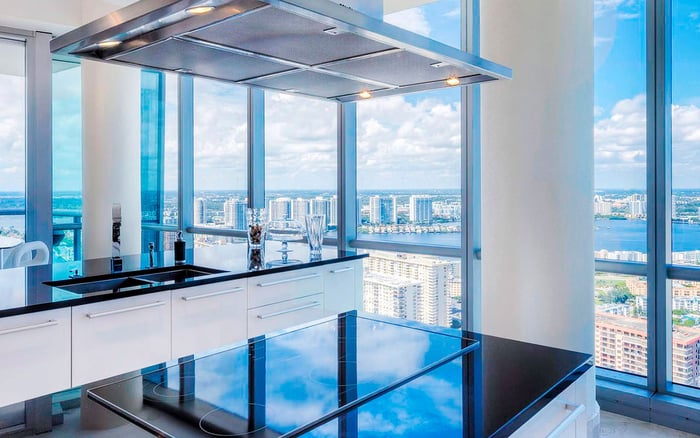
Muse Residences pairs private oceanfront ownership with residential services, but empty nesters should test its privacy protocols, fee structure, technology, resilience, and practical longevity before buying.
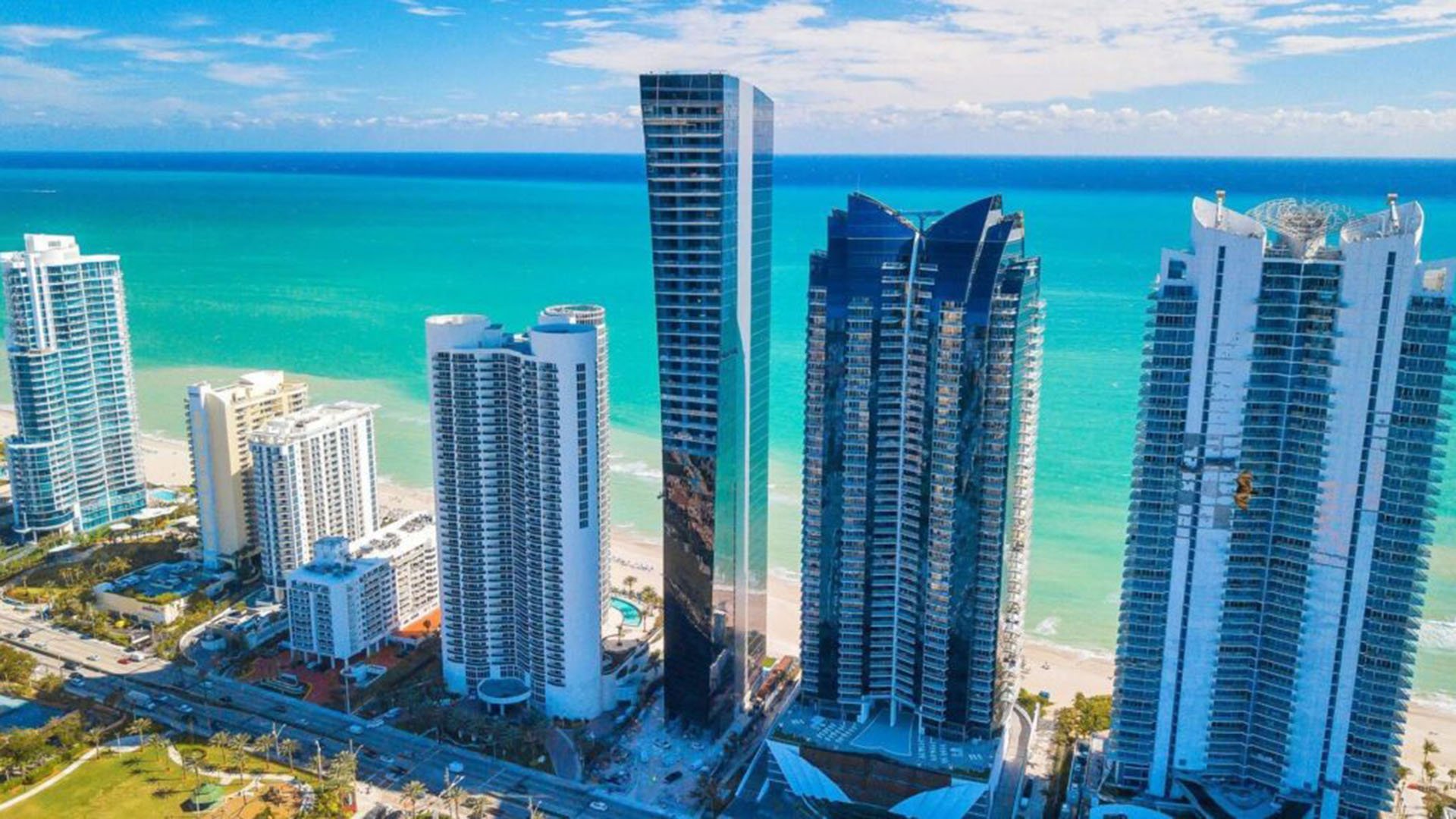
For empty nesters, moving into serviced living is rarely a simple exercise in downsizing. It is a decision about how privacy, convenience, family visits, travel, technology, and future mobility should work together. Muse Residences Sunny Isles Beach presents a compelling framework: private condominium ownership, hotel-style residential services, an oceanfront setting, and a boutique scale that may feel more curated than a large tower.
That proposition warrants disciplined due diligence. The essential question is not whether the service sounds luxurious, but whether the building's operating model supports the owner's preferred degree of independence. A successful move should reduce friction without leaving residents feeling observed, overprogrammed, or dependent on systems they cannot readily control.
Service necessarily creates points of access. Prospective owners should determine when staff may enter a residence, who authorizes entry, how notice is provided, and whether standing instructions can be established for housekeeping, maintenance, emergencies, deliveries, and owner absences. Those rules should also cover vendors and household employees.
Smart-home technology adds another layer. Buyers should ask what resident, guest, and unit data are collected, where that information is retained, who can review it, and what happens when an owner changes devices or service preferences. Technical support matters as much as the technology itself. Owners should understand who troubleshoots failures, whether manual controls remain available, and how access permissions can be revoked.
Privacy should extend beyond the front door. Guest registration, elevator access, packages, deliveries, parking, and common-area use all influence whether service feels discreet or intrusive.
Association fees do not necessarily tell the full story of serviced living. Buyers should obtain a precise explanation of what is included, what is available for a separate charge, and which services may be arranged through third parties. Frequency limits, scheduling requirements, cancellation terms, gratuity expectations, and after-hours availability can materially affect both cost and utility.
Amenities deserve the same practical scrutiny. Rather than valuing them as marketing features, owners should ask which spaces they would use weekly, which require reservations, and whether guest access aligns with their routines. This is fundamentally a lifestyle calculation, not an amenity count.
Empty nesters comparing serviced options in the same market may also tour The Ritz-Carlton Residences® Sunny Isles. The purpose is not to declare a universal winner, but to compare how each operating structure manages access, charges, responsiveness, and owner control.
A second-home owner or frequent traveler should ask how the building monitors an unoccupied residence. The protocol should specify inspection frequency, water or climate alerts, escalation procedures, emergency entry, and owner communications. Convenience is most effective when responsibilities are explicit before an absence begins.
Family use requires equal attention. Owners expecting adult children or grandchildren should review guest registration, parking, overnight access, deliveries, pool or amenity use, and the ability to issue temporary digital credentials. A residence can feel effortless for two people yet become restrictive during a holiday visit if these policies are not understood.
Tours of Bentley Residences Sunny Isles or Jade Signature Sunny Isles Beach can help buyers sharpen their questions about arrival, guest circulation, and everyday privacy without assuming that any two buildings operate alike.
Long-term suitability depends on more than current health. Buyers should personally test entrances, walking routes, elevators, thresholds, bathrooms, parking access, and the path to frequently used amenities. The relevant standard is whether the residence remains manageable if balance, vision, stamina, or mobility changes.
Financial review should cover current association fees, historical increases, reserves, insurance obligations, and planned assessments. Buyers should also examine the condominium's governing documents to understand how service standards, privacy policies, leasing rules, renovation procedures, and amenity access may change.
Because Muse is oceanfront, storm preparation warrants a dedicated conversation. Questions should address flood exposure, backup power, insurance, residence preparation, communications during an event, and post-event building access. Current condominium documents, insurance materials, and professional inspections should be reviewed before any commitment.
The strongest buyer's-guide principle is simple: assess the residence as an operating environment, not merely a finished interior. For empty nesters, the right fit preserves autonomy today while making future needs easier to accommodate.
What makes Muse relevant to empty nesters? Its private condominium ownership, residential services, oceanfront location, and boutique scale may suit buyers seeking convenience in a curated setting.
Which privacy question should come first? Ask when staff may enter the residence, who approves access, and whether owners can establish standing instructions.
What should buyers ask about smart-home data? Determine what resident, guest, and unit data are collected, who can access them, and how permissions are changed or revoked.
Are all residential services included in association fees? Buyers should verify what is included and identify every service carrying a separate charge or third-party fee.
How should frequent travelers evaluate lock-and-leave support? Confirm how unoccupied residences are monitored, how alerts are escalated, and when emergency entry is permitted.
What guest rules matter for visiting family? Review registration, overnight access, parking, deliveries, temporary credentials, and common-area privileges.
How should amenities be valued? Focus on routine usefulness, reservation policies, operating access, and guest restrictions rather than the number of amenities.
What indicates long-term physical suitability? Test entrances, elevators, thresholds, bathrooms, parking routes, and amenity access with changing mobility in mind.
Which financial documents deserve review? Examine current fees, historical increases, reserves, insurance obligations, planned assessments, and governing documents.
Which oceanfront risks require specific questions? Ask about storm preparation, flood exposure, backup power, insurance, communications, and post-event access.
For a tailored shortlist and next-step guidance, connect with MILLION.
If branded residences are on your mind — as a home or as an allocation — we would be glad to share what we are seeing, privately.
Begin a quiet conversation