A Chicago-to-Aventura move calls for more than a new address on an existing trust. Coordinate Florida domicile, estate-document revisions, deed preparation, and homestead filings while preserving the distinctions between tax eligibility and inheritance restrictions.
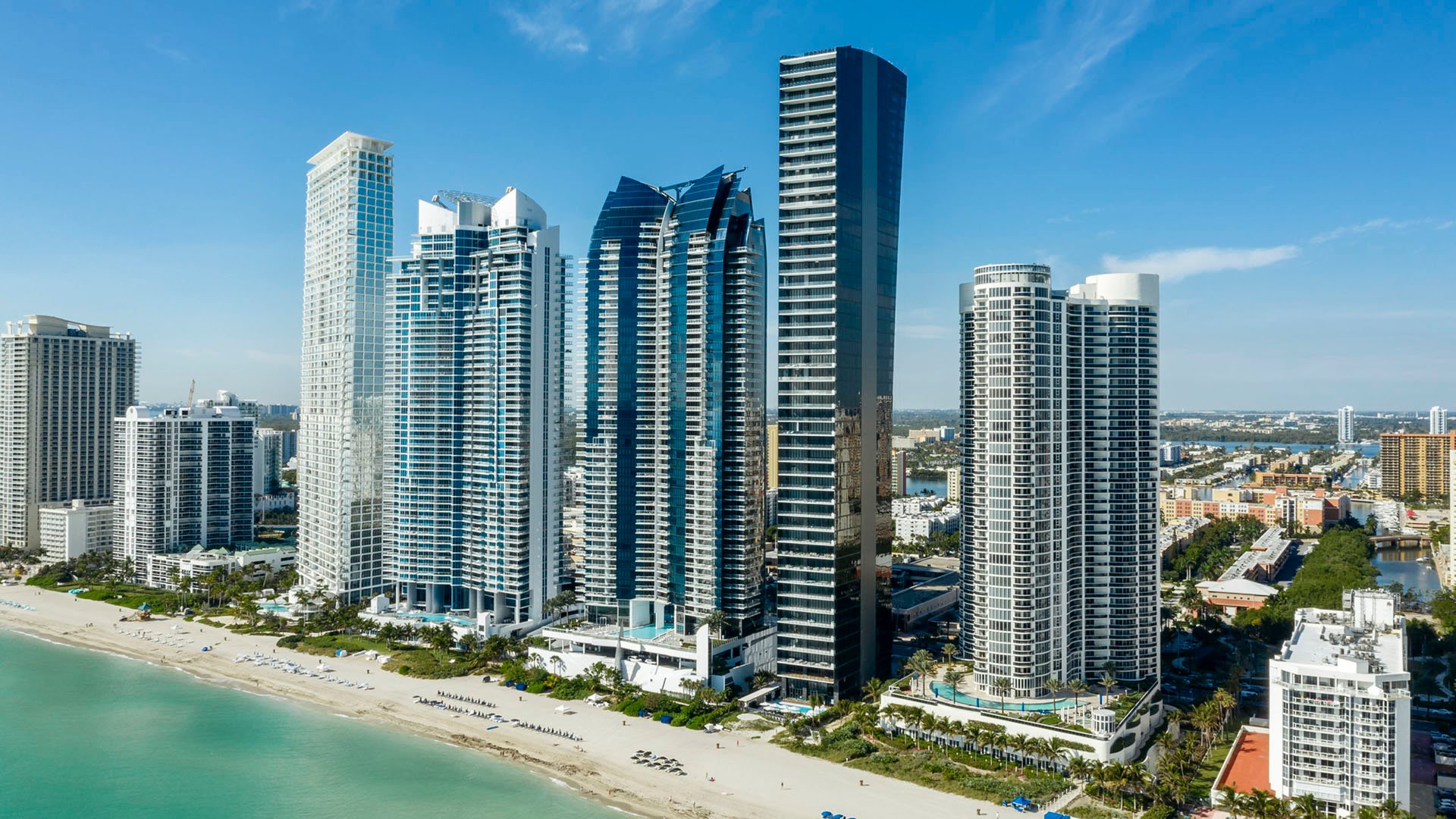
For a Chicago family establishing a permanent home in Aventura, the most consequential decisions may extend beyond the residence itself. The estate plan, deed, and homestead application should align on ownership, occupancy, and succession. A carefully considered purchase deserves equally careful legal coordination.
A family evaluating Avenia Aventura can begin that work while considering how the residence fits its long-term plans. The objective is not to place every home in a trust. It is to determine whether the proposed ownership arrangement supports the family's wishes while respecting Florida's protections for spouses and minor children.
Coordinate domicile documentation, estate-plan revisions, deed preparation, and exemption filings. None substitutes for the others, and a closing deadline should not drive approval of an ownership structure before legal review.
Moving from Illinois does not mean every existing estate document becomes invalid. It does call for a review of wills, revocable trusts, powers of attorney, and health-care documents for Florida compatibility and practical use in the new state.
Domicile deserves its own checklist. Suggested steps include filing a Declaration of Domicile, obtaining a Florida driver's license, registering to vote, and updating residency records. These actions help document the transition. They do not replace a review of the family's circumstances or establish a universal day-count formula.
Ask counsel to examine who is named as personal representative and successor trustee, whether the power of attorney will be accepted, and whether health-care documents function as intended in Florida. These are operational questions, not merely drafting preferences. Both the person selected years ago in Chicago and the document authorizing that person belong in the relocation review.
For families retaining Illinois connections, keep cross-state tax questions on a separate professional agenda. A Florida address should not be assumed to resolve them.
An address change is not a complete trust review. Governing law, newly acquired property, and administration in the new state may require attention. A revocable trust's situs, or administrative location, may be changed through a written amendment, but that decision warrants review separately from the home purchase.
The central questions are straightforward: Who will administer the trust? What rights does the resident beneficiary retain? What happens to the home at death? Do those provisions remain appropriate for the family's current structure?
For a household also considering One Park Tower by Turnberry North Miami, the same review belongs alongside the property comparison. Selecting a different residence does not determine how an existing trust should govern, hold, or distribute it.
Ask the estate attorney to distinguish changes to the trust document from changes to the ownership record. That distinction prevents a common misunderstanding: identifying a residence in estate-planning paperwork does not necessarily transfer legal title.
Transferring an individually owned Florida home into a trust requires executing and recording a deed conveying title to the trustee. Updating the trust alone does not accomplish that transfer. Deed preparation should follow the approved legal structure-not precede the discussion of whether a transfer is appropriate.
A properly drafted revocable living trust can hold a Florida residence without automatically disqualifying it from the homestead tax exemption. The homeowner's retained beneficial ownership and use of the property as a permanent residence matter, as do provisions preserving the resident beneficiary's occupancy rights.
This is a compatibility analysis, not a blanket assurance. Have counsel assess the trust language and proposed deed together, then coordinate the documentation needed for the exemption application. A trust label alone does not establish eligibility.
Nor is an LLC an interchangeable alternative. LLC ownership generally does not qualify for Florida's homestead tax exemption. For a family weighing ownership structures, that distinction belongs in the initial conversation-not after the deed has been recorded.
Florida homestead involves distinct questions: the property-tax exemption, creditor protection, and restrictions on inheritance. Eligibility for one should not be presented as proof of all three. Keeping those categories separate clarifies the family's instructions and makes the legal review more useful.
The inheritance rules are particularly important for families with a spouse or minor children. Florida generally prohibits devising homestead when the owner leaves a surviving spouse or minor child, except that it may be devised to the spouse if there is no minor child. A proposed disposition must be checked against those protections.
A revocable trust does not bypass the restrictions. Instructions that appear straightforward in an existing trust may therefore need more than an address update when a Florida homestead becomes part of the plan.
Specialized irrevocable homestead trusts are a different undertaking. They require carefully structured lifetime conveyances and should not be confused with routine revocable-trust funding. Families considering that route should seek tailored legal advice rather than adapt a standard transfer checklist.
For an Aventura home, coordinate homestead-related filings through Miami-Dade's applicable process. The new home's homestead exemption application and a portability request are separate filings: Form DR-501 addresses the exemption, while Form DR-501T requests transfer of the homestead assessment difference.
Portability concerns an eligible Florida Save Our Homes assessment difference. It is not an automatic benefit of moving from Chicago, and Illinois property-tax history should not be treated as a portable Florida benefit. A family with a prior Florida homestead should have eligibility reviewed rather than presume a transfer will occur.
Portability is not automatic. The application deadline in Miami-Dade is March 1 of the year claimed. Submission options include an online portal, electronic submission of a completed form, and appointments. Assign responsibility for confirming eligibility, assembling documentation, and completing the appropriate filings. Legal planning and administrative follow-through should remain connected.
If the search extends to Sunny Isles Beach and Bentley Residences Sunny Isles, maintain the same discipline: confirm the intended permanent-residence use and revisit ownership instructions before finalizing title. These planning principles do not establish any particular project's homestead eligibility.
A useful final review brings the revised estate documents, approved ownership instructions, any required recorded deed, domicile documentation, and filing responsibilities into one coordinated file. Each serves a distinct purpose. Together, they help the family settle into its new home with fewer unresolved decisions about control, occupancy, and succession.
This is a planning framework, not individualized legal or tax advice; Florida estate counsel and the family's tax advisers should resolve the particulars before implementation.
For a considered approach to your Aventura residence search, explore MILLION.
If branded residences are on your mind — as a home or as an allocation — we would be glad to share what we are seeing, privately.
Begin a quiet conversationNot automatically. Review the documents for Florida compatibility, including fiduciary designations, powers of attorney, and health-care provisions.
Suggested steps include filing a Declaration of Domicile, obtaining a Florida driver's license, registering to vote, and updating residency records. These steps should be coordinated with advice about the family's circumstances.
Not necessarily. Governing law, trust situs, administration, and newly acquired property may also require review.
No. Transferring an individually owned Florida home into a trust requires executing and recording a deed conveying title to the trustee.
A properly drafted revocable living trust can hold the home without automatically losing homestead tax eligibility. Retained beneficial ownership, permanent-residence use, and occupancy rights matter.
No. LLC ownership generally does not qualify for Florida's homestead tax exemption, so the structures should not be treated as interchangeable.
No. The intended disposition must comply with protections for a surviving spouse and minor children, even when a revocable trust is used.
No. The tax exemption, creditor protection, and inheritance restrictions are separate questions that require their own analysis.
No. Portability concerns an eligible Florida Save Our Homes assessment difference, not Illinois property-tax history.
Form DR-501 covers the homestead exemption, while DR-501T requests portability. The portability application deadline in Miami-Dade is March 1 of the year claimed.