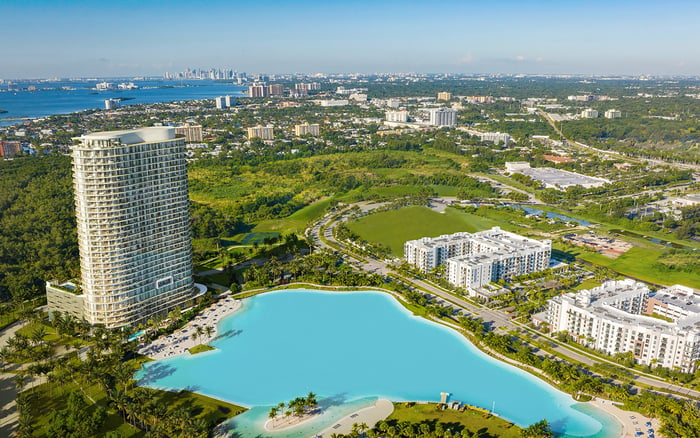
For buyers moving from Barcelona to Aventura, a considered property-tax plan begins with January 1 residency, a separate March 1 filing deadline, and a realistic post-purchase assessment. Florida portability belongs in the calculation only when an eligible prior Florida homestead exists.
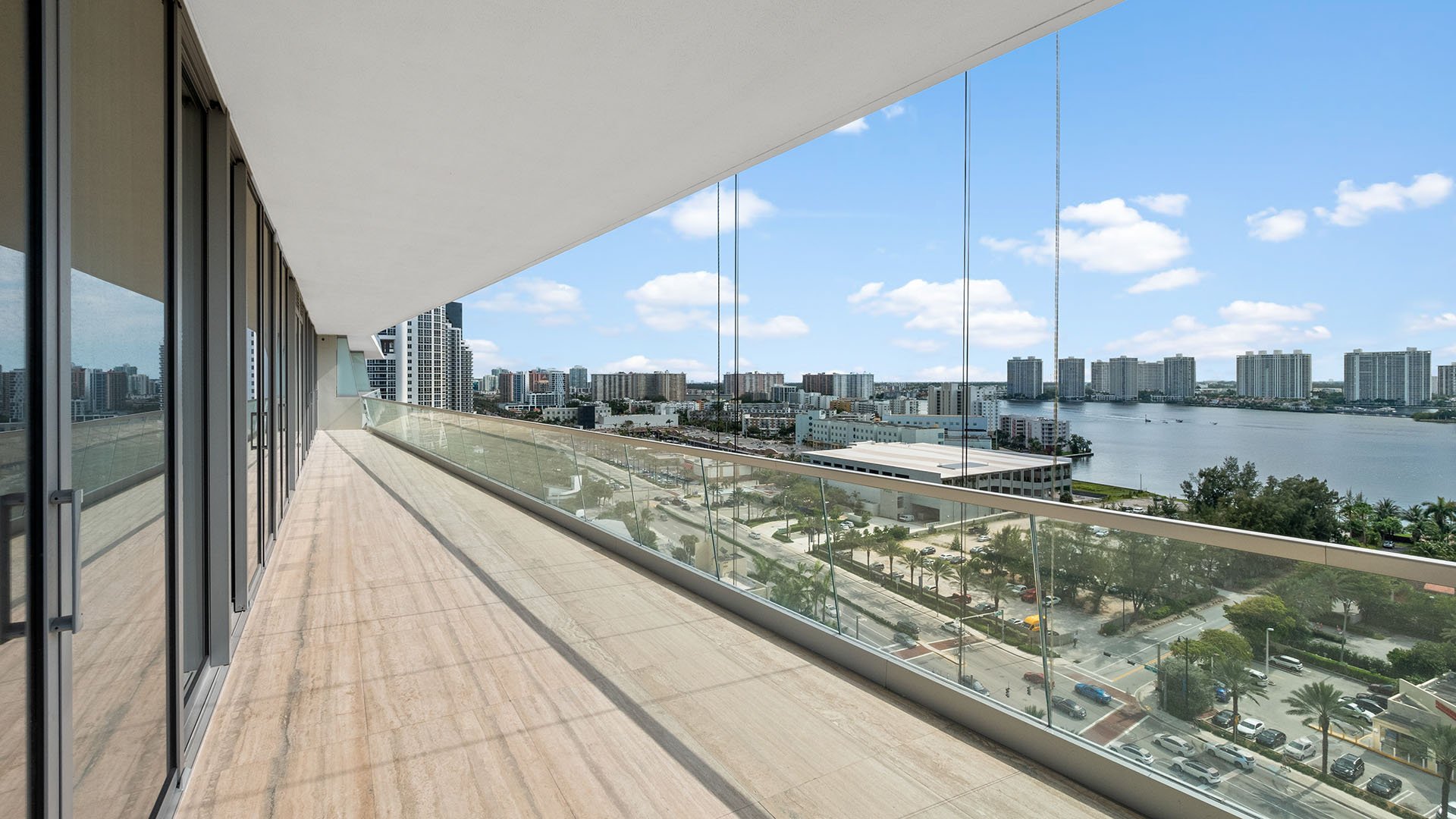
Selling in Barcelona and buying in Aventura involves two distinct decisions: where to place capital and where to establish a permanent home. For Florida property-tax purposes, the first does not automatically accomplish the second. The key questions are whether you own and occupy the Florida residence on January 1, whether you meet the filing deadline, and whether you have an eligible assessment benefit from a prior Florida homestead.
For a buyer considering Avenia Aventura, the starting point is a calendar alongside the acquisition budget. Treat the Barcelona sale, Florida closing, establishment of permanent residence, and exemption application as separate milestones. A well-sequenced purchase can bring homestead eligibility forward by a tax year, but ownership alone is not enough.
To qualify for homestead for a particular tax year, you must own and occupy the Aventura property as your permanent Florida residence on January 1 of that year. The standard application deadline is March 1. The dates serve different purposes: January 1 determines eligibility; March 1 is ordinarily the deadline to request the benefit.
A February 2026 closing illustrates the distinction. The buyer's first possible homestead year is 2027, provided the home meets the ownership and permanent-residence requirements on January 1, 2027, and the applicable filing deadline is met. Filing before March 1, 2026 would not remedy the absence of January 1 ownership and residency.
Conversely, closing and establishing permanent residence before January 1 can advance eligibility compared with purchasing after that date. For a late-year acquisition, confirm whether both ownership and actual permanent residency can be established in time. A targeted closing date is not proof that every eligibility condition will be satisfied.
An Aventura vacation home does not qualify for homestead merely because you own it. Buyers dividing their lives between Barcelona and Florida must establish permanent Florida residence. Neither a substantial purchase nor the sale of their Spanish home settles that question.
Prepare evidence of permanent residence, including a Florida driver's license and voter registration where applicable. Confirm the documentation appropriate to your circumstances with the Miami-Dade County Property Appraiser, which handles Aventura homestead applications. The application is not filed through the City of Aventura.
The distinction also matters if the search extends to Sunny Isles Beach and Turnberry Ocean Club Sunny Isles. The property's role in your life-as a permanent home or an occasional retreat-should guide the tax assumptions. This discussion concerns Florida property taxation, not Spanish sale taxes, cross-border income-tax residency, or immigration eligibility. Those require separate advice.
Save Our Homes limits annual increases in a qualifying homestead's assessed value. It is an assessment limitation, not a promise that the total tax bill will remain unchanged. Portability is a related but separate mechanism: it transfers an eligible Save Our Homes assessment difference from a previous Florida homestead to a new Florida homestead, subject to statutory limits.
Selling a Barcelona residence creates no Florida portability benefit. The relevant starting point is a prior Florida homestead-not the Spanish property's value, its sale proceeds, or the amount reinvested in Aventura.
If you have never held an eligible Florida homestead, focus on January 1 qualification, timely filing, and reassessment. If you previously maintained one elsewhere in Florida, confirm the eligible assessment difference and applicable transfer limits before including portability in your budget. The benefit requires verification; it is not an automatic credit attached to relocation.
Portability depends on tax-year eligibility, not a simple count of months after a sale or closing. The prior homestead's abandonment year matters. Review its exemption history before committing to a new acquisition timetable.
Consider this planning example: if 2023 was the last year you held the previous Florida homestead exemption, the new homestead must be established by January 1, 2026 to remain within the three-tax-year portability window. A February 2026 purchase would be too late in that example, even though the buyer could potentially qualify for a new homestead in 2027.
Eligible buyers should submit portability transfer form DR-501T with the new homestead application, normally by March 1 of the relevant tax year. Confirm that year's filing calendar rather than building the plan around discretionary late approval. Qualification for the new exemption and eligibility to transfer an older assessment benefit are separate questions.
When a purchase occurs after January 1, the seller's homestead exemption and assessment limitation may remain applicable for the purchase year. That treatment does not establish the buyer's own homestead eligibility. It can also make the existing tax bill a misleading reference point for the years ahead.
A purchase generally triggers reassessment to market value as of the following January 1. Do not carry the seller's assessment history into your long-term budget as though nothing has changed. Distinguish the purchase-year tax treatment from the expected post-reassessment position, even when the current bill looks attractive.
Apply the same budgeting discipline to a broader search that includes One Park Tower by Turnberry North Miami. Compare candidate residences using buyer-specific estimates rather than treating a displayed historical tax figure as your future liability. Neither a project's identity nor the seller's tax treatment substitutes for evaluating your eligibility.
Request a post-reassessment estimate that reflects your anticipated homestead eligibility. If an eligible prior Florida homestead exists, request a second estimate incorporating the confirmed portability benefit. If your first possible homestead year falls later, make that timing explicit rather than applying an exemption prematurely.
Keep the purchase-year bill, the following January 1 reassessment, and any subsequent assessment limitation distinct. This separation clarifies carrying costs without assuming an unsupported tax rate, exemption amount, or savings figure.
Do not treat the proposed $250,000 “super homestead” or a December 31, 2026 residency cutoff as settled law. Confirm enacted rules and implementation before relying on any proposed change. The more durable approach is to align closing and permanent residency, document eligibility, verify any prior Florida benefit, and file on time.
For a considered approach to your Aventura home search, explore MILLION.
If branded residences are on your mind — as a home or as an allocation — we would be glad to share what we are seeing, privately.
Begin a quiet conversationNo. Portability requires an eligible Save Our Homes assessment difference from a previous Florida homestead; a Barcelona sale creates no such benefit.
You must own and occupy the property as your permanent Florida residence on January 1 of the relevant tax year.
No. March 1 is the standard application deadline, distinct from the January 1 ownership-and-residency requirement; confirm the applicable year's filing calendar.
The first possible year is 2027, provided the buyer meets the January 1, 2027 eligibility requirements and the applicable filing deadline.
No. The property must be your permanent Florida residence, not merely a vacation home.
Applications go through the Miami-Dade County Property Appraiser, not the City of Aventura. Prepare evidence of permanent residence, such as a Florida driver's license and voter registration where applicable.
No. It limits annual increases in a qualifying homestead's assessed value, but does not guarantee an unchanged total tax bill.
In that example, the new homestead must be established by January 1, 2026 to remain within the three-tax-year portability window.
Eligible buyers should submit form DR-501T with their new homestead application, normally by March 1 of the relevant tax year.
It is not a reliable post-purchase forecast because a purchase generally triggers reassessment to market value the following January 1. Seller benefits may remain for the purchase year without establishing your own eligibility.